

Choosing Between Positive Pressure and Negative Pressure for Wheat Bran Conveying: How to Distinguis
When it comes to conveying wheat bran, selecting the right system is crucial for efficiency, cost-effectiveness, and operational reliability. Two primary methods dominate the industry: positive pressure conveying and negative pressure conveying. Understanding the differences between these two approaches is essential for making an informed decision that aligns with your specific production needs. This article will explore the key distinctions between positive and negative pressure systems, helping you determine which option is best suited for your wheat bran handling requirements.
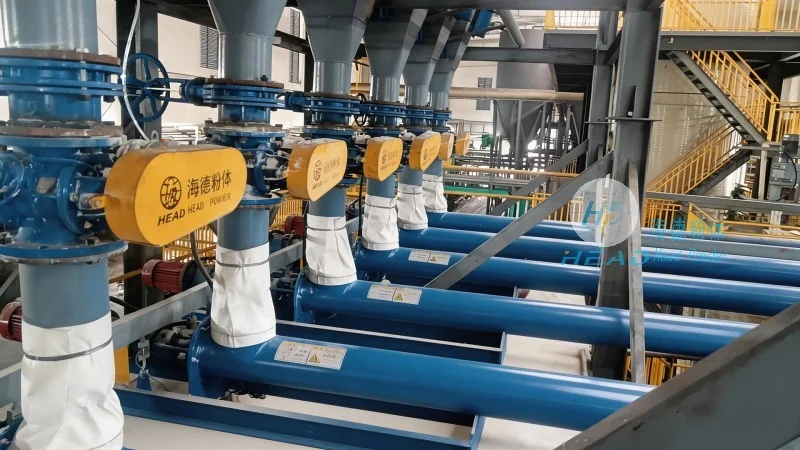
Understanding the Basics of Wheat Bran Conveying Systems
Wheat bran, a byproduct of the milling process, is often transported from storage silos or processing units to various destinations such as storage bins, packaging lines, or processing equipment. The choice of conveying system directly impacts the overall performance and maintenance costs of your operation. Positive pressure and negative pressure systems represent two fundamental approaches to material handling, each with its own set of advantages and limitations.
Positive Pressure Conveying: How It Works
Positive pressure conveying systems operate by blowing air or a carrier gas through a pipeline to move the wheat bran. The system uses a positive pressure fan or blower to create a pressure differential that propels the material forward. This method is often referred to as "blow" or "pressure" conveying. The key components of a positive pressure system include a fan, a hopper or feeder, a pipeline, and a discharge point. The fan generates a high-pressure airflow that forces the wheat bran through the pipeline, ensuring consistent and reliable transport.
One of the primary benefits of positive pressure conveying is its ability to handle a wide range of materials, including those with high moisture content or sticky properties. The positive pressure also helps to prevent material buildup in the pipeline, reducing the risk of blockages. However, this system may require more energy to operate compared to negative pressure systems, as it needs to overcome the resistance of the material and the pipeline.
Negative Pressure Conveying: The Alternative Approach
Negative pressure conveying, also known as "suction" or "vacuum" conveying, operates by creating a vacuum in the pipeline to draw the wheat bran into the system. A vacuum pump generates a low-pressure environment that pulls the material from the source into the pipeline. The system typically includes a vacuum pump, a hopper or feeder, a pipeline, and a discharge point. The vacuum pulls the wheat bran through the pipeline, moving it from the source to the destination.
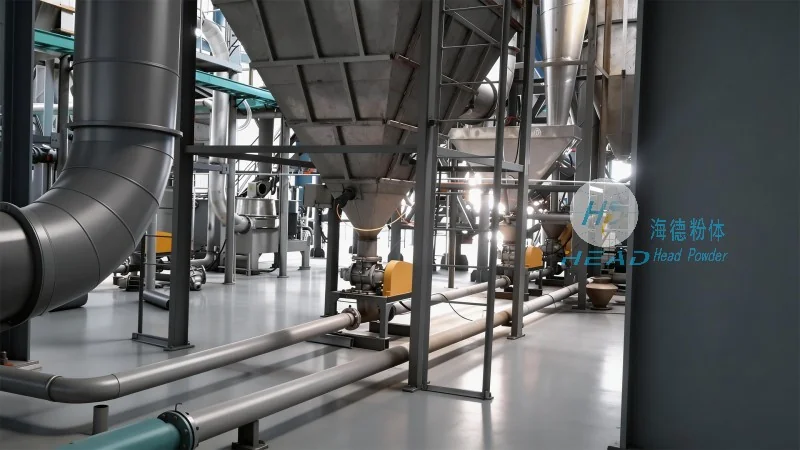
Negative pressure systems are generally more energy-efficient than positive pressure systems, as they only need to overcome the resistance of the material and the pipeline without generating high pressure. This can result in lower operational costs over time. However, negative pressure systems may be less effective with materials that are heavy or have high moisture content, as the vacuum may not be strong enough to move the material efficiently. Additionally, the system may require more maintenance to prevent dust and debris from entering the vacuum pump.
Key Differences Between Positive and Negative Pressure Conveying
When comparing positive and negative pressure conveying for wheat bran, several factors come into play. The most significant difference lies in the pressure differential and the direction of airflow. Positive pressure systems push material through the pipeline using high pressure, while negative pressure systems pull material using a vacuum. This fundamental difference affects the system's energy consumption, material handling capabilities, and maintenance requirements.
Energy consumption is a critical consideration. Positive pressure systems typically consume more energy due to the need to generate high pressure, whereas negative pressure systems are more energy-efficient as they rely on suction. However, the actual energy costs may vary depending on the system's design, the material's properties, and the distance of transport. For example, a long-distance transport may require a more powerful positive pressure system, which could offset the initial energy savings of a negative pressure system.
Material handling capabilities also differ between the two systems. Positive pressure systems are generally better suited for handling materials with high moisture content or sticky properties, as the high pressure helps to break up clumps and prevent blockages. Negative pressure systems may struggle with such materials, as the vacuum may not be strong enough to move them effectively. Conversely, negative pressure systems are often preferred for handling light, dry materials that are easily drawn into the pipeline.
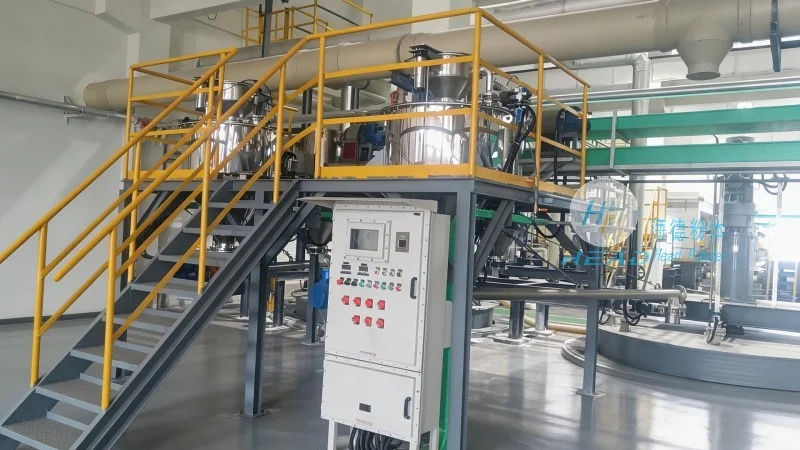
Maintenance and operational considerations are also important. Positive pressure systems may require more frequent maintenance of the fan and pipeline, as the high pressure can cause wear and tear on components. Negative pressure systems, on the other hand, may require more attention to the vacuum pump and filtration systems to prevent dust and debris from entering the system. The choice between the two systems may also depend on the availability of space and the layout of the facility. Positive pressure systems typically require more space for the fan and pipeline, while negative pressure systems can be more compact and easier to install.
Choosing the Right System for Your Wheat Bran Handling Needs
After understanding the differences between positive and negative pressure conveying, the next step is to evaluate which system is best suited for your specific requirements. Several factors should be considered when making this decision:
First, consider the material properties of the wheat bran. If the bran has high moisture content or is sticky, a positive pressure system may be more appropriate due to its ability to handle such materials effectively. If the bran is dry and light, a negative pressure system may be sufficient and more energy-efficient.
Second, assess the distance and layout of the transport. Long-distance transport may require a positive pressure system with higher pressure capabilities to ensure consistent material flow. Short-distance transport, on the other hand, may be suitable for a negative pressure system, which can be more compact and easier to install.
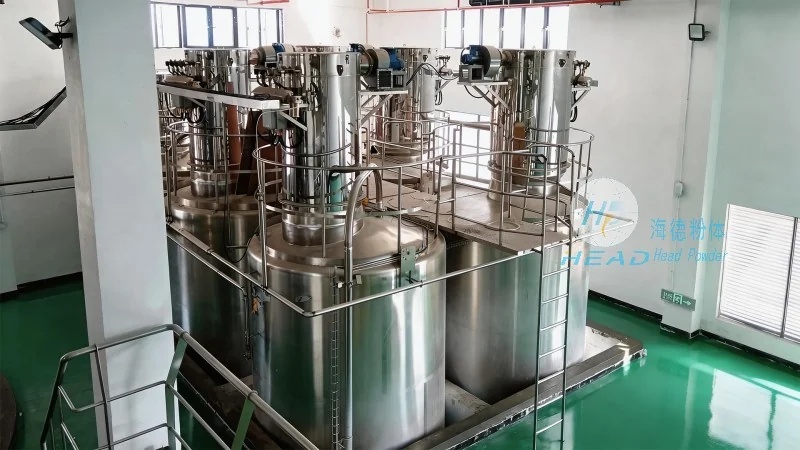
Third, evaluate the operational costs and energy consumption. Positive pressure systems may have higher initial costs due to the need for a more powerful fan, but they may offer lower maintenance costs over time. Negative pressure systems may have lower initial costs and energy consumption but may require more maintenance and replacement parts.
Fourth, consider the space available in your facility. Positive pressure systems typically require more space for the fan and pipeline, which may not be feasible in smaller facilities. Negative pressure systems are more compact and can be installed in tighter spaces.
Finally, consult with a professional conveyor system provider to get expert advice tailored to your specific needs. A qualified engineer can help you evaluate your options and recommend the most suitable system for your wheat bran handling requirements.
Conclusion
Choosing between positive pressure and negative pressure conveying for wheat bran is a critical decision that impacts the efficiency and cost-effectiveness of your operation. Both systems have their own advantages and limitations, and the best choice depends on the specific characteristics of your material, the distance of transport, and the layout of your facility. By understanding the differences between these two approaches and considering the factors mentioned above, you can make an informed decision that maximizes the performance and reliability of your wheat bran conveying system.