

[IIndustrial Alkali Transport: Choosing Positive Pressure or Negative Pressure? How to Distinguish?]
When it comes to industrial alkali transport, selecting the appropriate method is crucial for ensuring safety, efficiency, and operational reliability. Two primary approaches are commonly considered: positive pressure transport and negative pressure transport. Understanding the distinctions between these two systems is essential for making an informed decision that aligns with specific operational requirements. This article, produced by Shandong HeadPowder Engineering Co., Ltd., will explore the key differences, applications, and factors to consider when choosing between positive and negative pressure for industrial alkali transport.
Understanding Positive Pressure Transport
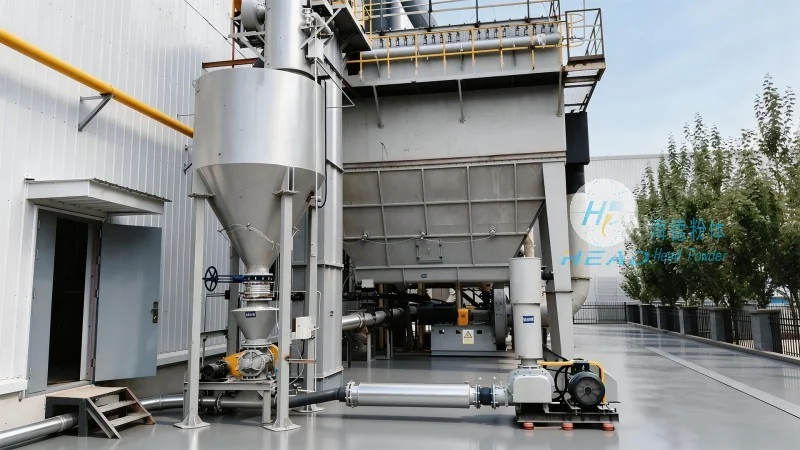
Positive pressure transport systems operate by forcing the material through a pipeline using a compressor or blower. This method ensures that the material is continuously pushed forward, maintaining a positive pressure within the system. The primary advantage of positive pressure transport is its ability to handle materials with higher viscosity or those that are prone to caking, as the constant pressure helps prevent blockages and ensures consistent flow. In industrial settings, positive pressure systems are often used for transporting bulk materials like caustic soda, where maintaining a steady flow is critical to prevent system failures or safety hazards.
One of the key benefits of positive pressure transport is its reliability in handling abrasive or corrosive materials. The continuous pressure helps to keep the material in motion, reducing the risk of buildup on pipe walls and minimizing the need for frequent maintenance. Additionally, positive pressure systems can be more effective in environments where the material is sensitive to exposure to air or moisture, as the sealed system prevents contamination. However, it is important to note that positive pressure systems require more energy to operate, as the compressor or blower must continuously provide the necessary pressure to move the material. This can increase operational costs, especially for large-scale applications.
Understanding Negative Pressure Transport
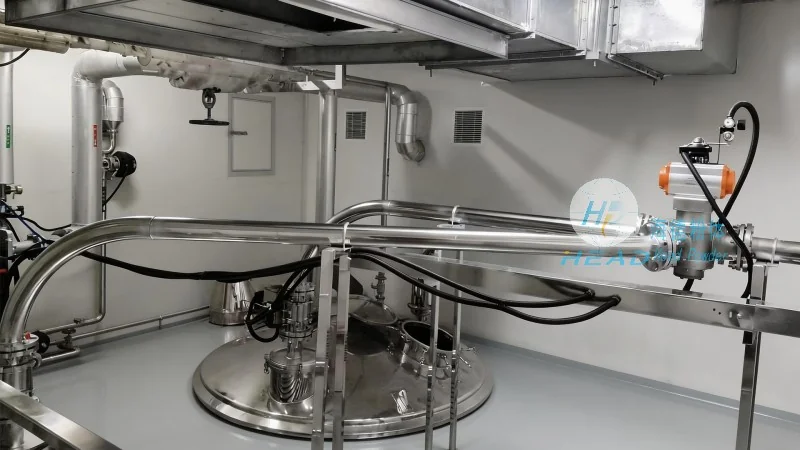
Negative pressure transport, also known as suction or vacuum transport, operates by creating a vacuum in the pipeline to draw the material from the source to the destination. This method relies on the natural flow of the material due to the pressure differential between the source and the destination. Negative pressure systems are typically used for materials that are less abrasive or corrosive, and where the material is less prone to caking or blockage. The primary advantage of negative pressure transport is its lower energy consumption compared to positive pressure systems, as it does not require a compressor or blower to force the material through the pipeline.
One of the key benefits of negative pressure transport is its cost-effectiveness, particularly for short-distance or low-volume applications. The system is generally simpler to install and maintain, as it does not require high-pressure components or complex control systems. Additionally, negative pressure systems are often more suitable for transporting materials that are sensitive to pressure changes, as the vacuum created is less likely to cause damage or degradation. However, negative pressure transport has limitations, particularly when dealing with materials that have high viscosity or are prone to caking. The vacuum may not be sufficient to maintain consistent flow, leading to potential blockages or system inefficiencies. Furthermore, negative pressure systems are more susceptible to air leaks, which can compromise the integrity of the transport process and lead to safety risks.
Distinguishing Between Positive and Negative Pressure Transport
When deciding between positive and negative pressure transport for industrial alkali transport, several factors must be considered. The first and most critical factor is the nature of the material being transported. Materials with high viscosity, such as concentrated caustic soda, are better suited for positive pressure systems due to their tendency to clog or block pipelines. Conversely, materials with lower viscosity and less tendency to caking, such as dilute alkali solutions, may be more effectively transported using negative pressure systems. The distance and volume of material to be transported also play a significant role. Positive pressure systems are generally more suitable for long-distance or high-volume applications, as they can maintain consistent flow over greater distances. Negative pressure systems are more appropriate for short-distance or low-volume applications, where the energy savings and lower installation costs outweigh the potential drawbacks.
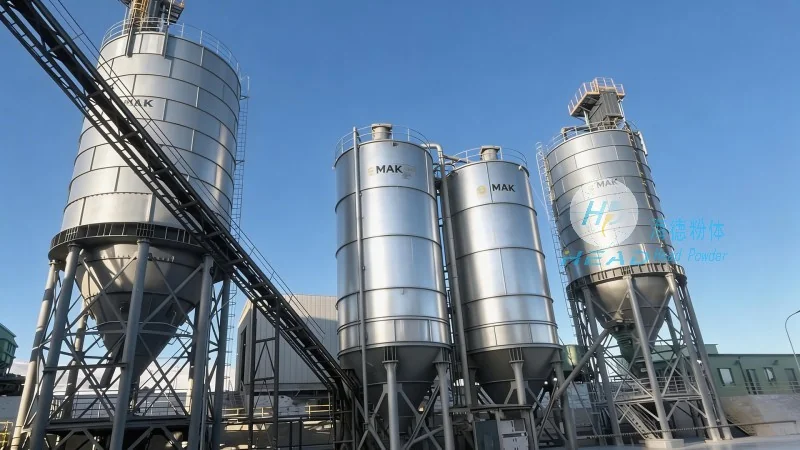
Another important factor to consider is the operational environment and safety requirements. Positive pressure systems are often preferred in environments where safety is a top priority, as they minimize the risk of material exposure to air or moisture, which can lead to hazardous conditions. Negative pressure systems, while less energy-intensive, may require additional safety measures to prevent air leaks and ensure the integrity of the transport process. The availability of infrastructure and maintenance capabilities is also a key consideration. Positive pressure systems may require more frequent maintenance due to the higher wear and tear on components like compressors and blowers, while negative pressure systems may require more attention to vacuum integrity and leak detection.
Conclusion
Choosing between positive pressure and negative pressure transport for industrial alkali transport requires a careful evaluation of the material properties, operational requirements, and safety considerations. Positive pressure systems offer greater reliability and control for high-viscosity or caking-prone materials, while negative pressure systems provide cost-effective solutions for lower-viscosity or short-distance applications. By understanding the distinctions between these two methods and considering the specific needs of the operation, industrial facilities can select the most appropriate transport system to ensure efficient, safe, and cost-effective operation. Ultimately, the goal is to maintain consistent flow, minimize downtime, and ensure the integrity of the material being transported, which is essential for the overall success of industrial processes.