

Choosing Between Positive Pressure and Negative Pressure for Petroleum Coke Transport: How to Distin
When it comes to transporting petroleum coke, selecting the right method is crucial for efficiency, safety, and operational costs. Two primary approaches dominate the industry: positive pressure transport and negative pressure transport. Understanding the differences between these systems is essential for making an informed decision that aligns with specific operational needs.
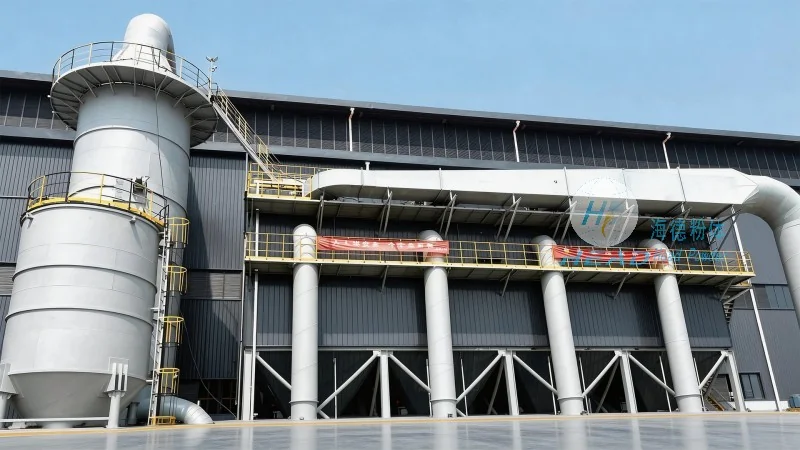
Distinguishing Positive Pressure and Negative Pressure Systems
Positive pressure systems operate by forcing material through a pipeline using a compressor or blower. This method ensures a consistent flow rate and can handle longer distances or higher resistance in the pipeline. The pressure is maintained above atmospheric levels, which helps prevent air ingress and maintains the integrity of the material being transported. For petroleum coke, which is often a fine or semi-fine powder, positive pressure can effectively move the material without excessive degradation or clogging.
On the other hand, negative pressure systems rely on suction to draw material into the pipeline. A vacuum is created at the inlet, and the material is pulled through the system. This approach is typically used for shorter distances or when the material is less abrasive, as the lower pressure reduces wear on equipment. Negative pressure systems are also beneficial for applications where dust control is a priority, as the sealed pipeline minimizes emissions.
Key Factors to Consider When Choosing a Transport Method
Several factors influence the choice between positive and negative pressure transport for petroleum coke. The first is the distance and layout of the pipeline. Longer distances or complex layouts often favor positive pressure due to its ability to maintain pressure and overcome friction losses. Conversely, shorter runs or systems with minimal elevation changes may work well with negative pressure.
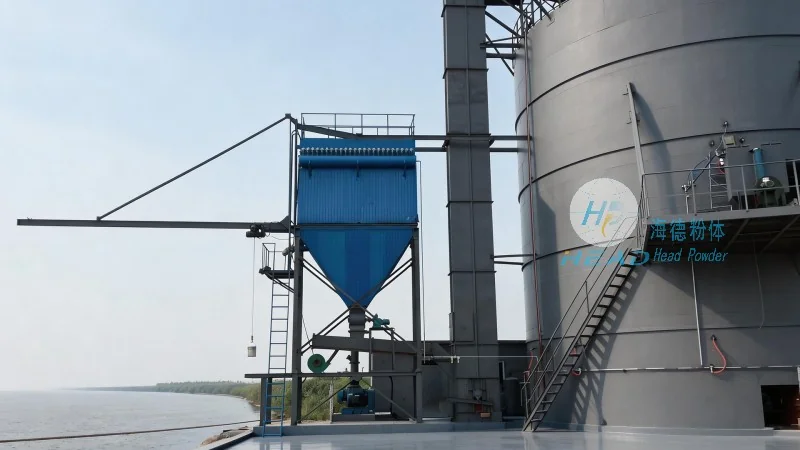
Material characteristics also play a significant role. Petroleum coke's particle size, moisture content, and abrasiveness affect how it behaves in a transport system. Positive pressure is generally more suitable for handling larger or more abrasive particles, as the higher pressure helps prevent blockages. Negative pressure, however, may be preferred for finer materials that are more prone to dust generation, as the sealed system reduces airborne particles.
Operational costs and energy consumption are critical considerations. Positive pressure systems typically require more energy to run compressors or blowers, which can increase long-term operational expenses. Negative pressure systems, while potentially more energy-efficient for shorter distances, may need additional equipment like vacuum pumps, which also adds to costs. Companies must evaluate the total cost of ownership, including equipment maintenance and energy usage, when making a decision.
How to Evaluate and Select the Right System
Assessing the specific requirements of your petroleum coke transport operation is the first step in choosing between positive and negative pressure systems. Begin by conducting a thorough analysis of the pipeline's length, elevation changes, and any obstacles that may affect flow. This information helps determine the pressure drop and the necessary power to maintain flow.
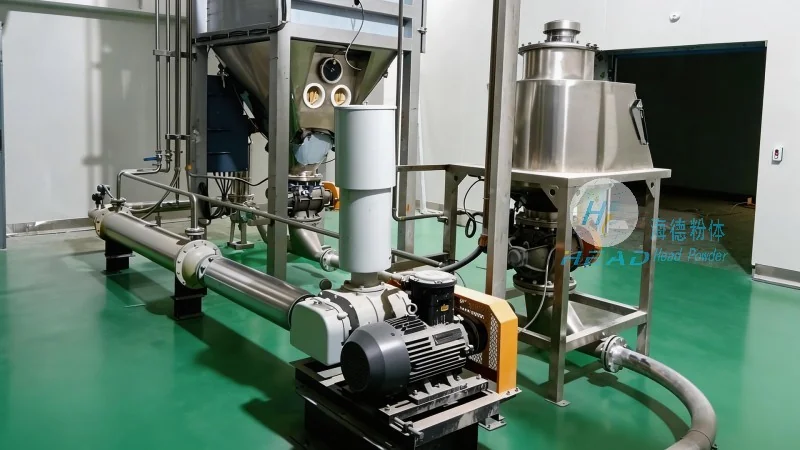
Next, consider the material's properties. Measure the particle size distribution, moisture content, and abrasiveness of the petroleum coke. These characteristics will indicate whether the material is more likely to clog or degrade under pressure. For example, if the coke is fine and prone to dust, a negative pressure system with proper sealing may be more appropriate to minimize emissions and maintain material quality.
Consult with industry experts and equipment manufacturers to get professional advice. Companies like Shandong HeadPowder Engineering Co., Ltd., a leading provider in the field, can offer tailored solutions based on your specific needs. Their expertise in positive and negative pressure transport systems ensures that the chosen method is optimized for efficiency and reliability.
Conclusion
Choosing between positive pressure and negative pressure for petroleum coke transport requires a careful evaluation of operational factors, material characteristics, and cost considerations. Positive pressure systems offer robustness and consistent flow for longer distances or abrasive materials, while negative pressure systems provide energy efficiency and better dust control for shorter runs or finer materials. By understanding the distinctions and evaluating your specific requirements, you can select the most suitable transport method to enhance operational performance and safety.