

Sodium Phosphate Transport: Positive Pressure vs. Negative Pressure - How to Distinguish?
When it comes to transporting sodium phosphate, selecting the appropriate method is crucial for ensuring efficiency, safety, and cost-effectiveness. Two primary approaches are widely used in industrial applications: positive pressure transport and negative pressure transport. Understanding the differences between these two systems is essential for making an informed decision. This article will explore the characteristics of each method, the factors influencing the choice, and practical guidelines for distinguishing between them.
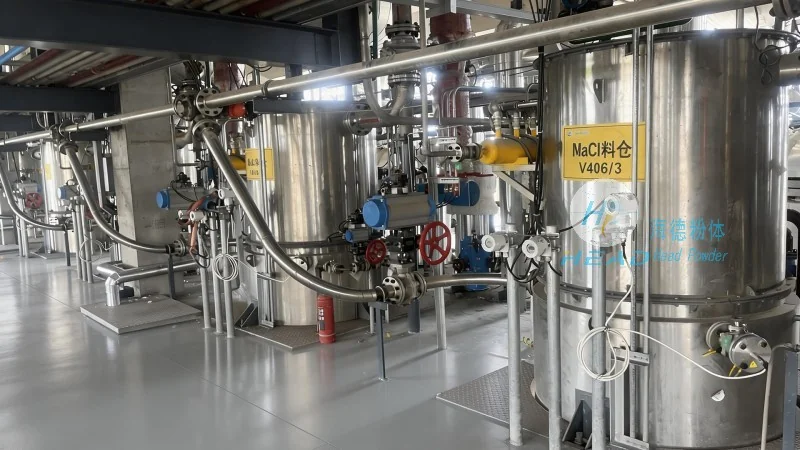
Understanding Positive Pressure Transport for Sodium Phosphate
Positive pressure transport, as the name implies, involves the use of a positive pressure system to move sodium phosphate. In this method, a pump or compressor generates pressure that forces the material through the pipeline. This approach is particularly effective for transporting materials that are prone to clogging or have a high viscosity. The positive pressure ensures that the material flows continuously without the risk of backflow or stagnation. For sodium phosphate, which can be a fine powder or a liquid, positive pressure transport can maintain a consistent flow rate, preventing issues such as blockages or uneven distribution.
One of the key advantages of positive pressure transport is its ability to handle a wide range of materials, including those with varying particle sizes. The pressure system can be adjusted to accommodate different flow rates, making it versatile for various industrial applications. Additionally, positive pressure transport is often more reliable in environments where the material may be sensitive to air exposure or contamination. By maintaining a positive pressure, the system can prevent the ingress of air or other contaminants, which is critical for maintaining the quality of the sodium phosphate. This method is commonly used in industries such as food processing, pharmaceuticals, and chemical manufacturing, where the purity and consistency of the material are paramount.
Exploring Negative Pressure Transport for Sodium Phosphate
Negative pressure transport, on the other hand, relies on creating a vacuum or negative pressure to draw the sodium phosphate through the pipeline. This method is often referred to as suction or vacuum transport. Unlike positive pressure, which pushes the material, negative pressure pulls it. This approach is particularly suitable for materials that are light and can be easily drawn through the system. Negative pressure transport is often used for transporting fine powders or granules that are less dense and can be easily aspirated. The system typically involves a vacuum pump that creates a low-pressure environment, causing the material to move from the source to the destination.
A significant advantage of negative pressure transport is its lower energy consumption compared to positive pressure systems. Since the material is drawn rather than pushed, less power is required to operate the system. This can lead to cost savings, especially for large-scale operations. Additionally, negative pressure transport is less likely to cause wear and tear on the equipment, as there is no high-pressure force acting on the components. However, this method has its limitations, particularly when dealing with materials that are prone to clogging or have a high viscosity. The vacuum system may not be able to maintain a consistent flow rate, leading to potential issues such as uneven distribution or blockages.
Distinguishing Between Positive and Negative Pressure Transport
When deciding between positive and negative pressure transport for sodium phosphate, several factors need to be considered. The first and most important factor is the physical properties of the material. If the sodium phosphate is a fine powder or has a high viscosity, positive pressure transport is generally more suitable. The positive pressure ensures that the material flows smoothly and consistently, preventing clogging and maintaining the desired flow rate. Conversely, if the material is light and less dense, negative pressure transport may be more effective. The vacuum system can easily draw the material through the pipeline without the need for high pressure.
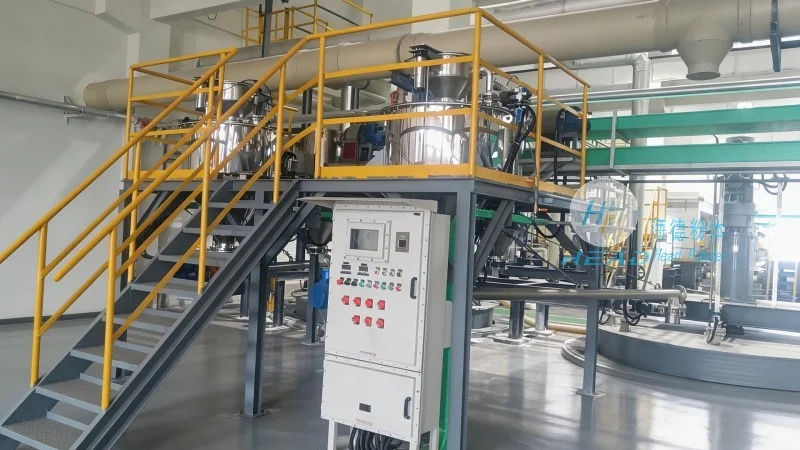
Another critical factor is the system's efficiency and energy consumption. Positive pressure transport typically requires more energy due to the need to generate and maintain pressure. This can increase operational costs, especially for large-scale operations. Negative pressure transport, as mentioned earlier, is more energy-efficient and can be a more cost-effective solution for certain applications. However, the energy savings must be weighed against the potential for lower flow rates and increased maintenance due to the vacuum system.
The infrastructure and equipment required for each method also play a role in the decision-making process. Positive pressure transport systems often require robust pumps and pipelines that can withstand high pressure. These systems may be more complex and expensive to install and maintain. Negative pressure transport, while simpler in terms of equipment, may require additional components such as vacuum pumps and filters to ensure the material is not contaminated. The choice of system will also depend on the available space and the existing infrastructure at the site.
Practical Guidelines for Selecting the Right Transport Method
Based on the characteristics of sodium phosphate and the operational requirements, here are some practical guidelines for choosing between positive and negative pressure transport:
1. **Material Properties**: Assess the particle size, viscosity, and density of the sodium phosphate. If the material is fine and has a high viscosity, opt for positive pressure transport. If it is light and less dense, consider negative pressure transport.
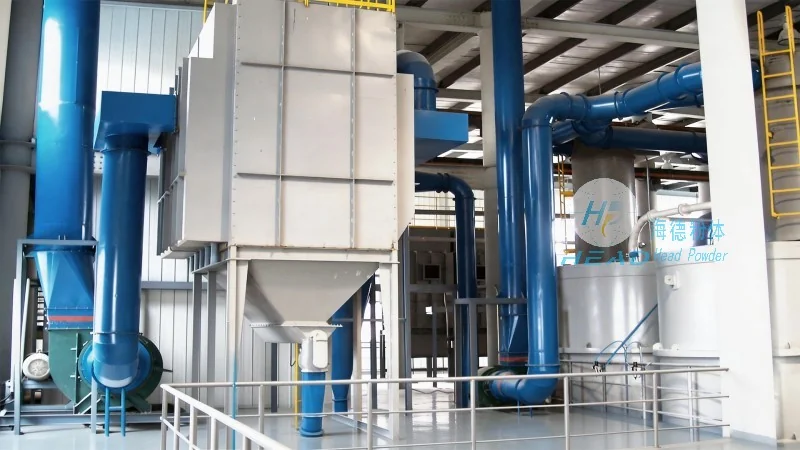
2. **Flow Rate and Consistency**: Determine the required flow rate and the need for consistent delivery. Positive pressure transport is better suited for applications requiring high and consistent flow rates. Negative pressure transport may be appropriate for lower flow rates or when the material needs to be drawn slowly.
3. **Energy Consumption and Costs**: Evaluate the energy requirements and operational costs of each system. Positive pressure transport may have higher energy costs but can offer better flow control. Negative pressure transport is more energy-efficient but may have higher maintenance costs due to the vacuum system.
4. **Infrastructure and Space**: Consider the available space and existing infrastructure. Positive pressure systems may require more space for pumps and pipelines, while negative pressure systems are more compact. The choice should align with the site's layout and available resources.
5. **Safety and Contamination**: Assess the risk of contamination and the need for airtight systems. Positive pressure transport can better prevent air ingress and contamination, making it suitable for applications where material purity is critical. Negative pressure transport may require additional measures to prevent contamination, such as filtration.
Conclusion
Choosing between positive pressure and negative pressure transport for sodium phosphate involves a careful evaluation of the material's properties, operational requirements, and cost considerations. Positive pressure transport offers advantages in terms of flow control and material purity, making it suitable for high-viscosity or fine powders. Negative pressure transport, while more energy-efficient, is better suited for light, less dense materials and may require additional maintenance. By understanding the characteristics of each system and applying the practical guidelines outlined above, industrial operators can select the most appropriate transport method for their sodium phosphate applications, ensuring efficiency, safety, and cost-effectiveness.