

Choosing Between Positive Pressure and Negative Pressure for Hydrogen Chloride Transport: How to Dis
When it comes to transporting hydrogen chloride (HCl), industries often face a critical decision: should they opt for positive pressure transport or negative pressure transport? The choice significantly impacts safety, efficiency, and operational costs. This article aims to provide a clear understanding of both methods and guide you through the key factors to distinguish between them, ensuring you make an informed decision for your specific application.
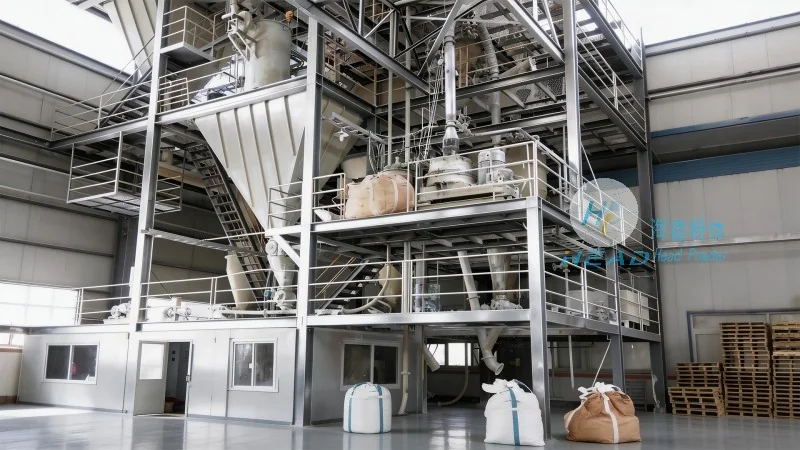
Introduction to Hydrogen Chloride Transport Methods
Hydrogen chloride is a highly corrosive and toxic gas, making its transport a complex task that requires robust engineering solutions. The primary methods used for HCl transport are positive pressure and negative pressure systems. Each method has its own set of advantages and limitations, and selecting the right one depends on several factors including the source of HCl, the distance of transport, and the receiving equipment's capabilities. Understanding these differences is crucial for maintaining safety standards and optimizing operational performance.
Understanding Positive Pressure Transport for Hydrogen Chloride
Positive pressure transport involves maintaining the HCl gas at a pressure higher than the surrounding ambient air. This is typically achieved by using a compressor or a positive displacement pump to force the gas through the pipeline. The system is sealed, and any leaks are directed to a vent or a scrubber to prevent exposure to the environment. Positive pressure systems are commonly used when the HCl is generated at a high pressure or when the receiving facility requires a specific pressure input. They are also suitable for long-distance transport where maintaining pressure is essential to prevent gas backflow or contamination.
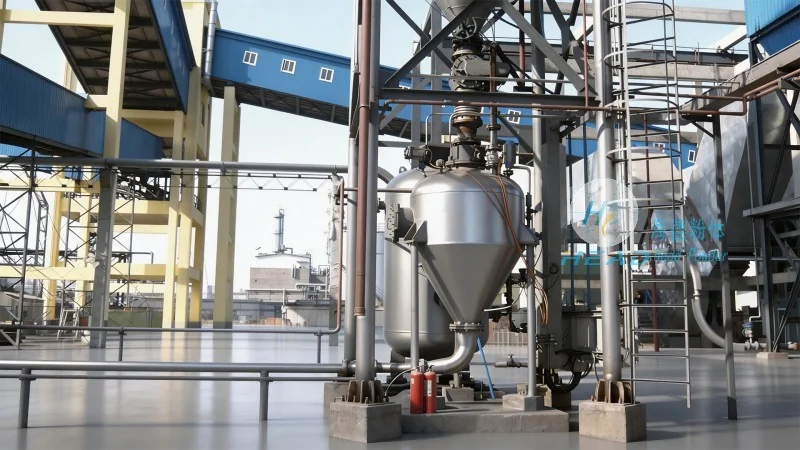
Understanding Negative Pressure Transport for Hydrogen Chloride
Negative pressure transport, on the other hand, involves creating a slight vacuum or negative pressure in the receiving system compared to the ambient air. The HCl gas is drawn into the pipeline and the receiving equipment due to this pressure differential. This method is often used when the HCl is generated at a lower pressure or when the source is located close to the receiving point. Negative pressure systems are generally simpler and less expensive to install as they do not require high-pressure pumps or compressors. However, they are more susceptible to external air ingress and require careful monitoring to ensure no leaks occur that could lead to hazardous conditions.
Key Factors to Distinguish Between Positive and Negative Pressure Systems
To effectively distinguish between positive and negative pressure transport for HCl, several key factors must be considered:
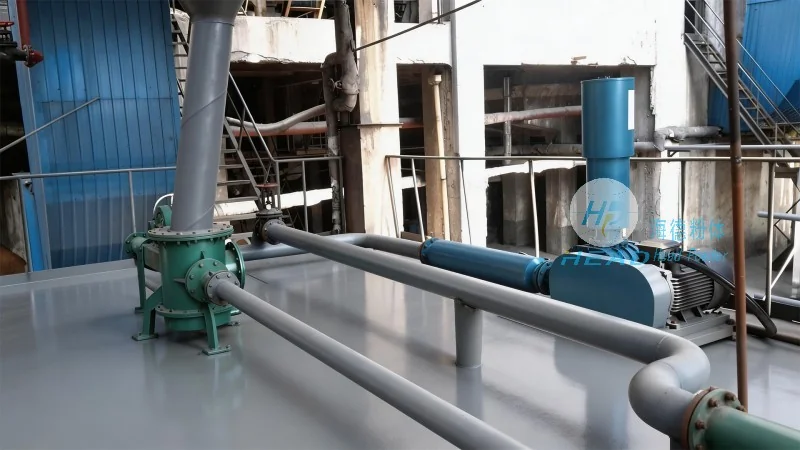
- Pressure Requirements: Positive pressure systems are suitable when the receiving equipment or process requires a specific pressure input, while negative pressure systems are used when the gas can be drawn in without needing to overcome external pressure.
- Source and Generation: If the HCl is produced at a high pressure (e.g., from a chemical reactor), a positive pressure system may be more appropriate. Conversely, if the source is at a lower pressure or the generation process is less pressurized, a negative pressure system could be more practical.
- Distance and Pipeline Length: Long-distance transport often necessitates positive pressure to maintain flow and prevent backflow, whereas short-distance transport between adjacent facilities may allow for negative pressure systems.
- Environmental and Safety Regulations: Local regulations and safety standards may dictate the preferred method. Positive pressure systems are generally considered safer for hazardous gases as they prevent external air from entering the system, reducing the risk of explosion or toxic exposure.
Practical Considerations for Selecting the Right Transport Method
Choosing between positive and negative pressure transport requires a thorough assessment of the specific application's needs. It is essential to evaluate the cost of equipment, the complexity of installation, and the long-term operational maintenance. Positive pressure systems may have higher upfront costs due to the need for compressors and robust sealing, but they offer better control over gas flow and safety. Negative pressure systems, while cheaper initially, may require more frequent maintenance and monitoring to ensure no leaks compromise safety.
About Shandong HeadPowder Engineering Co., Ltd.
Shandong HeadPowder Engineering Co., Ltd., a leading provider of engineering solutions for chemical processing, specializes in designing and implementing safe and efficient transport systems for hazardous gases like hydrogen chloride. With years of experience in the industry, the company offers tailored solutions that meet the unique requirements of each client. HeadPowder's expertise in positive and negative pressure systems ensures that clients receive the most suitable transport method for their operations, prioritizing safety and operational efficiency. Located in Shandong, China, HeadPowder serves a wide range of industries, including chemical manufacturing, pharmaceuticals, and petrochemicals, providing reliable and innovative engineering services.