

Choosing Between Positive Pressure and Negative Pressure for Iron Oxide Transport: How to Distinguis
When it comes to transporting iron oxide, selecting the right method is crucial for ensuring efficiency, safety, and cost-effectiveness. Two primary approaches are widely used: positive pressure transport and negative pressure transport. Understanding the distinctions between these methods is essential for making an informed decision. This article will explore the key differences, advantages, and considerations for each approach, helping you determine which is best suited for your iron oxide transport needs.
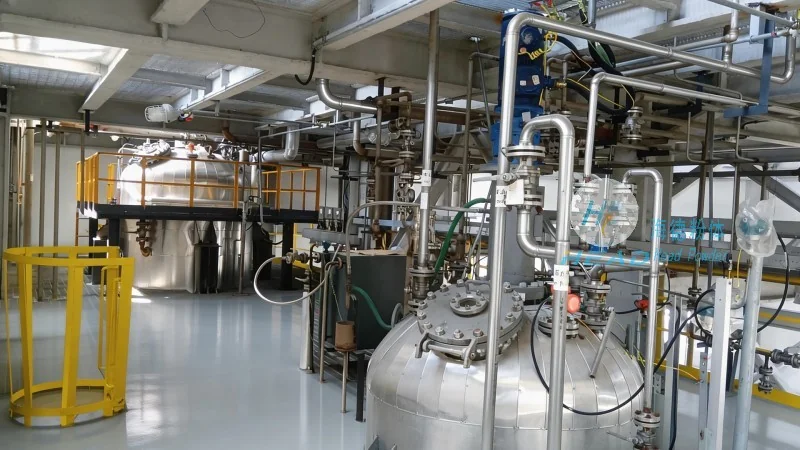
Understanding the Basics: Positive Pressure vs. Negative Pressure Transport
Positive pressure transport involves using a system where the air or gas inside the transport line is at a higher pressure than the surrounding environment. This pressure pushes the iron oxide material through the pipeline. Conversely, negative pressure transport operates by creating a vacuum or lower pressure in the pipeline, causing the iron oxide to be drawn into the system. Each method has its own set of characteristics that make it suitable for different applications.
Key Differences in Operation and Application
Positive pressure systems are generally more common in industrial settings due to their ability to handle a wide range of materials, including abrasive or fine powders like iron oxide. The pressurized air or gas ensures that the material is moved continuously and reliably, reducing the risk of clogging or blockages. This method is particularly effective for long-distance transport and when dealing with materials that are prone to settling or clumping. On the other hand, negative pressure transport is often used in applications where the material is sensitive to pressure changes or where the environment requires a dust-free or low-impact transfer. It is commonly employed in pharmaceutical or food processing industries, though it may not be as efficient for large-scale iron oxide transport due to potential limitations in material handling.
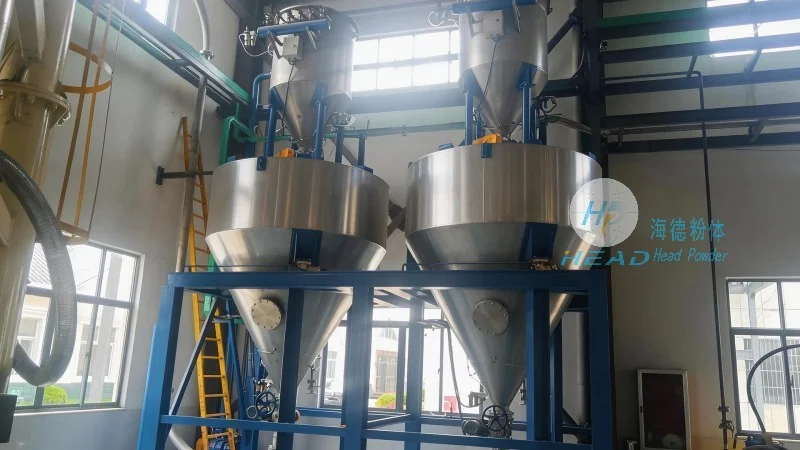
Advantages and Disadvantages of Each Method
Positive pressure transport offers several advantages, such as higher material throughput, better control over flow rates, and the ability to handle more challenging materials. It is also generally more cost-effective for long-term operations, as the equipment is often more durable and requires less maintenance. However, it may be less suitable for environments where noise or pressure fluctuations could affect other processes. Negative pressure transport, while beneficial for maintaining a clean environment and reducing the risk of material spillage, can be less efficient in terms of energy consumption and may require more frequent maintenance to prevent system failures. The choice between the two often depends on the specific requirements of the iron oxide being transported, including its particle size, moisture content, and the overall operational environment.
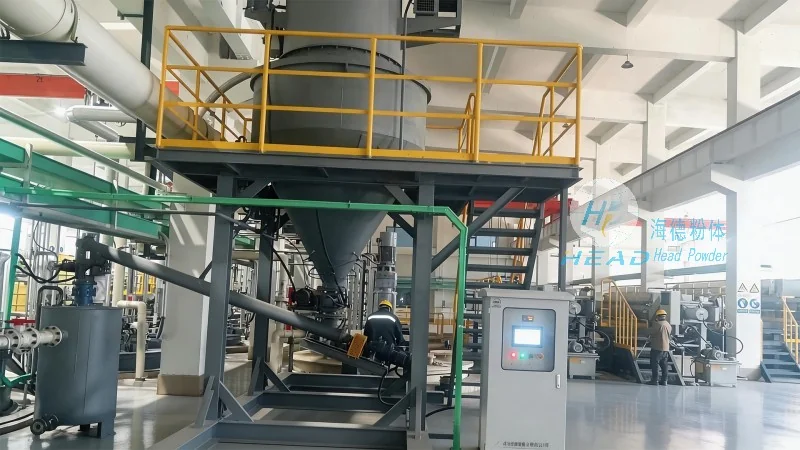
Factors to Consider When Choosing a Transport Method
Several factors should be considered when deciding between positive and negative pressure transport for iron oxide. First, the physical properties of the iron oxide itself are critical. For example, if the iron oxide is fine and prone to dust, a negative pressure system might be preferred to minimize dispersion. Conversely, if the material is coarse and requires high throughput, a positive pressure system would be more appropriate. The distance and layout of the transport line also play a role; longer distances may benefit from positive pressure due to its ability to maintain consistent flow. Additionally, the existing infrastructure and available resources at the site, such as power supply and maintenance capabilities, should be evaluated. Companies like Shandong HeadPowder Engineering Co., Ltd., based in China, specialize in providing tailored transport solutions that address these specific factors, ensuring optimal performance and reliability for iron oxide transport operations.
Conclusion: Making the Right Choice for Iron Oxide Transport
Choosing between positive pressure and negative pressure transport for iron oxide involves a careful assessment of operational needs, material characteristics, and environmental considerations. Positive pressure transport is generally more versatile and efficient for large-scale industrial applications, while negative pressure transport excels in maintaining a clean and controlled environment. By understanding the advantages and limitations of each method, and considering the specific requirements of your iron oxide transport project, you can select the most suitable approach. Shandong HeadPowder Engineering Co., Ltd. offers expertise and customized solutions to help you navigate these choices, ensuring that your iron oxide transport system operates at peak efficiency and safety.