

Choosing Between Positive Pressure and Negative Pressure for Quartz Powder Conveying: How to Differe
When it comes to conveying quartz powder, selecting the right method is crucial for ensuring efficiency, safety, and cost-effectiveness. Two primary approaches are widely used: positive pressure conveying and negative pressure conveying. Understanding the differences between these systems is essential for making an informed decision. This article provides a detailed comparison of positive and negative pressure conveying for quartz powder, along with practical guidance on how to choose the most suitable option for your application.
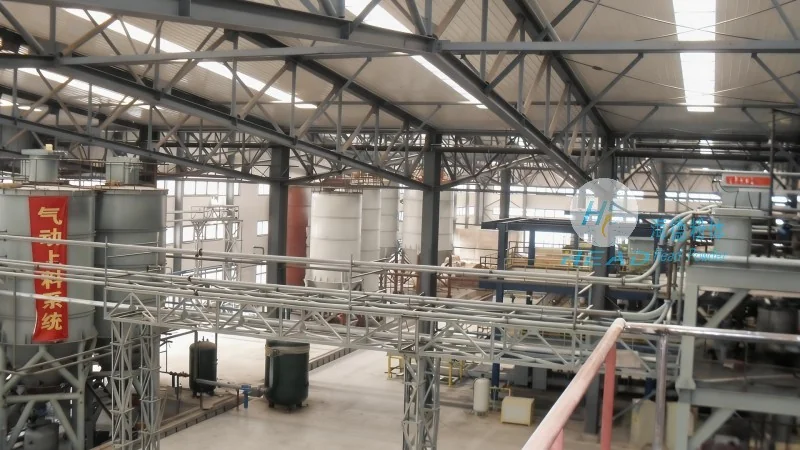
Introduction to Quartz Powder Conveying Systems
Quartz powder, a common raw material in industries such as ceramics, glass, and construction, requires specialized handling due to its fine particle size and potential dust hazards. Conveying systems are designed to transport this material from storage to processing equipment without compromising quality or safety. The choice between positive pressure and negative pressure conveying depends on factors like material properties, system layout, and operational requirements.
About Shandong HeadPowder Engineering Co., Ltd.
Shandong HeadPowder Engineering Co., Ltd., operating under the brand name HeadPowder, is a leading manufacturer of conveying and processing equipment for industrial powders. With headquarters in Shandong, China, the company specializes in developing customized solutions tailored to the unique needs of clients in various sectors. HeadPowder's expertise lies in designing efficient, reliable systems that meet stringent industry standards for performance and safety.
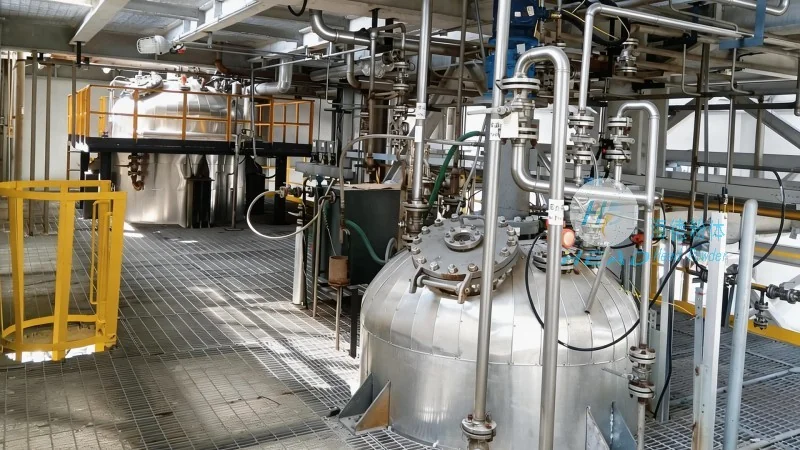
Positive Pressure Conveying: How It Works
Positive pressure conveying, also known as pressure pneumatic conveying, operates by forcing air or gas through the material to be transported. The system uses a positive pressure source, such as a blower or compressor, to create a pressure differential that moves the powder. In this method, the conveying line is under pressure, and the material is carried by the air stream. The primary advantages of positive pressure systems include high conveying capacity, ability to handle long distances and multiple branches, and suitability for abrasive or corrosive materials. However, they may require more maintenance due to the higher pressure and potential for air leakage.
Negative Pressure Conveying: The Alternative Approach
Negative pressure conveying, or vacuum pneumatic conveying, works by creating a vacuum in the conveying line, which draws the material into the system. A vacuum pump generates the negative pressure, and the material is pulled along the line by the pressure difference. This method is often preferred for applications requiring dust collection and containment, as the system is sealed and prevents dust from escaping. Negative pressure systems are generally simpler to install and maintain, with lower energy consumption compared to positive pressure systems. However, they have limitations in terms of conveying distance and material capacity, especially for fine powders.
Distinguishing Between Positive and Negative Pressure Conveying
Choosing between positive and negative pressure conveying for quartz powder involves evaluating several key factors. First, consider the material characteristics: fine, abrasive quartz powder may benefit from the robustness of positive pressure systems, while systems requiring dust control might lean toward negative pressure. Second, assess the system layout: positive pressure is ideal for long, complex networks with multiple branches, whereas negative pressure is better suited for shorter, simpler lines. Third, evaluate operational requirements: if high throughput and long-distance transport are critical, positive pressure is often the better choice. Conversely, if dust containment and low maintenance are priorities, negative pressure may be more appropriate.
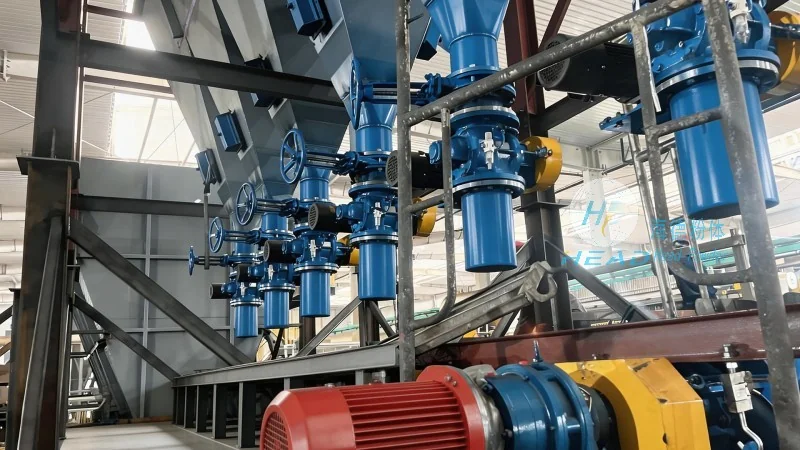
Practical Considerations and Recommendations
When selecting a conveying system for quartz powder, it is essential to consult with experienced manufacturers like HeadPowder. They can provide tailored solutions based on specific operational parameters, such as the required conveying rate, distance, and material properties. For instance, if a plant needs to transport quartz powder over a distance of 500 meters with high capacity, a positive pressure system with a high-capacity blower might be recommended. On the other hand, if the application involves handling dust-sensitive materials and requires strict containment, a negative pressure system with a robust vacuum pump and filtration system would be more suitable.
Conclusion
Both positive pressure and negative pressure conveying systems offer viable options for transporting quartz powder, each with its own set of advantages and limitations. The key to selecting the right system lies in understanding the specific needs of the application, including material characteristics, system layout, and operational priorities. By carefully evaluating these factors and seeking guidance from industry experts like Shandong HeadPowder Engineering Co., Ltd., businesses can ensure they choose a conveying solution that maximizes efficiency, safety, and cost-effectiveness. Whether opting for the robust capabilities of positive pressure or the containment benefits of negative pressure, the goal is to achieve reliable, sustainable powder handling that meets the demands of modern industrial processes.