

Choosing Between Positive Pressure and Negative Pressure for Cotton Conveying: How to Distinguish?
When it comes to transporting cotton efficiently and safely, selecting the right conveying system is crucial. Two primary methods dominate the industry: positive pressure conveying and negative pressure conveying. Understanding the differences between these two approaches is essential for optimizing operations and ensuring the quality of the cotton being handled. This article will explore the key distinctions between positive and negative pressure systems, helping you make an informed decision for your cotton processing needs.
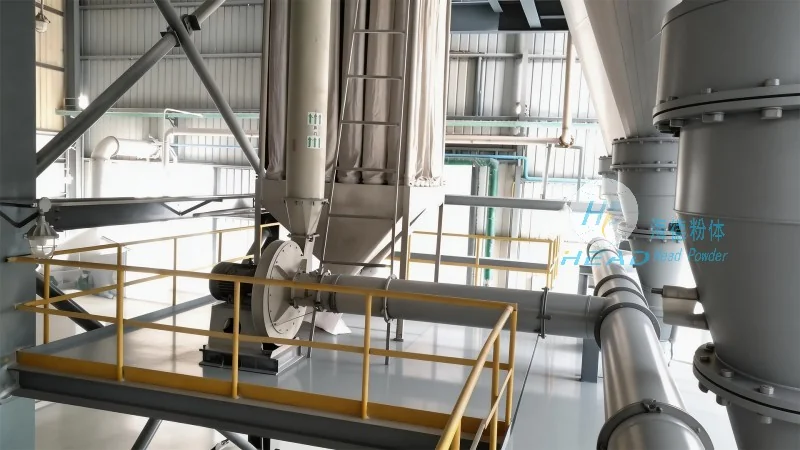
Introduction to Cotton Conveying Systems
Cotton conveying systems are vital in the textile and agricultural sectors, enabling the movement of raw cotton from storage to processing equipment. The choice between positive and negative pressure systems depends on various factors, including the material characteristics, plant layout, and operational requirements. Both methods have their advantages and limitations, and selecting the appropriate one can significantly impact productivity and cost-effectiveness.
Positive Pressure Conveying: How It Works
Positive pressure conveying, also known as pressure or blow system, operates by forcing air or gas through the conveying line using a positive pressure blower or fan. The system creates a pressure higher than the ambient air, which propels the cotton particles through the ductwork. This method is particularly effective for transporting dry, free-flowing materials like cotton, as it maintains a consistent flow rate and prevents material buildup in the ducts.
Key features of positive pressure systems include high conveying velocities, which allow for longer distances and multiple transfers. The positive pressure also helps in maintaining the cleanliness of the system by preventing external contaminants from entering the ductwork. Additionally, these systems are generally more straightforward to install and maintain, as they do not require complex vacuum setups.
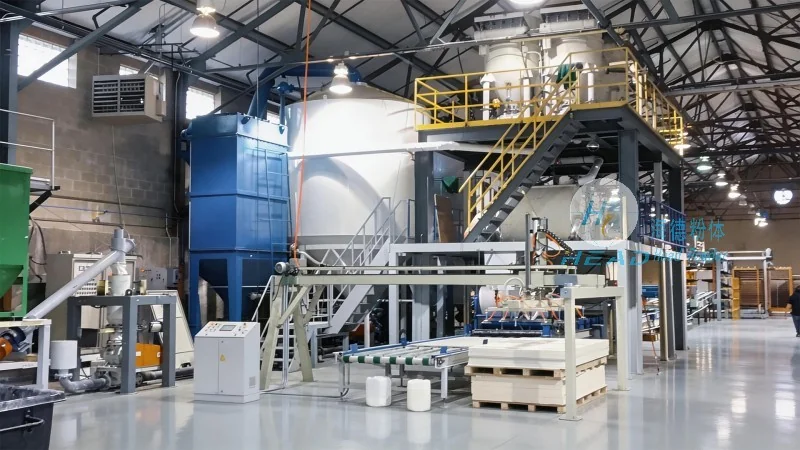
Negative Pressure Conveying: The Vacuum Approach
Negative pressure conveying, or vacuum system, works by creating a vacuum in the conveying line, drawing the cotton particles into the ductwork. A vacuum pump or fan generates a pressure lower than the ambient air, which pulls the material from the source to the processing equipment. This method is often preferred for handling dusty or fine materials, as the vacuum helps in controlling dust emissions and maintaining a cleaner working environment.
One of the main advantages of negative pressure systems is their ability to handle materials with higher moisture content or that are more prone to caking. The vacuum also allows for more flexible layout designs, as the ductwork can be arranged in a more compact manner without the need for high-pressure blowers. However, negative pressure systems may require more maintenance due to the higher risk of dust accumulation and potential blockages in the ducts.
Distinguishing Between Positive and Negative Pressure Systems
Several factors can help in distinguishing between positive and negative pressure conveying systems. The first is the direction of air flow: positive pressure systems push air and material forward, while negative pressure systems pull material into the ductwork. Another key difference is the pressure differential: positive pressure systems operate at pressures above ambient, whereas negative pressure systems operate at pressures below ambient.
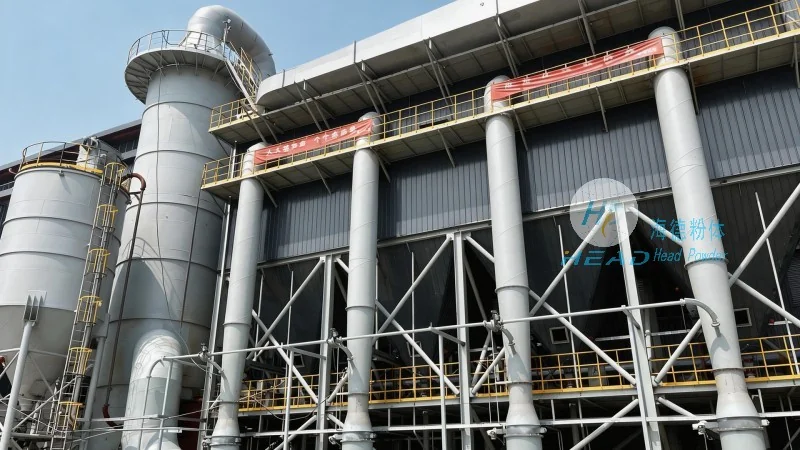
Material characteristics also play a significant role. Positive pressure is ideal for dry, non-abrasive materials like cotton, as it maintains the material's integrity and prevents degradation. Negative pressure is better suited for materials that are dusty or have a tendency to generate fine particles, as the vacuum helps in controlling dust and preventing it from escaping into the environment.
Operational considerations, such as plant layout and space constraints, also influence the choice. Positive pressure systems may require more space for the blower and ductwork, while negative pressure systems can be more compact. Additionally, the cost of equipment and maintenance should be evaluated. Positive pressure systems are generally less expensive to install and maintain, while negative pressure systems may have higher upfront costs due to the need for vacuum pumps and additional filtration.
Application Considerations for Cotton Processing
For cotton processing facilities, the choice between positive and negative pressure conveying depends on the specific application. For example, in bale handling and transfer, positive pressure systems are commonly used to move bales from storage to the opening and cleaning equipment. The high pressure and consistent flow ensure that the bales are transported efficiently without damage.
In contrast, negative pressure systems may be preferred for handling cotton dust or fine particles during the cleaning and ginning processes. The vacuum helps in capturing and transporting these fine particles to collection systems, reducing dust emissions and improving workplace safety.
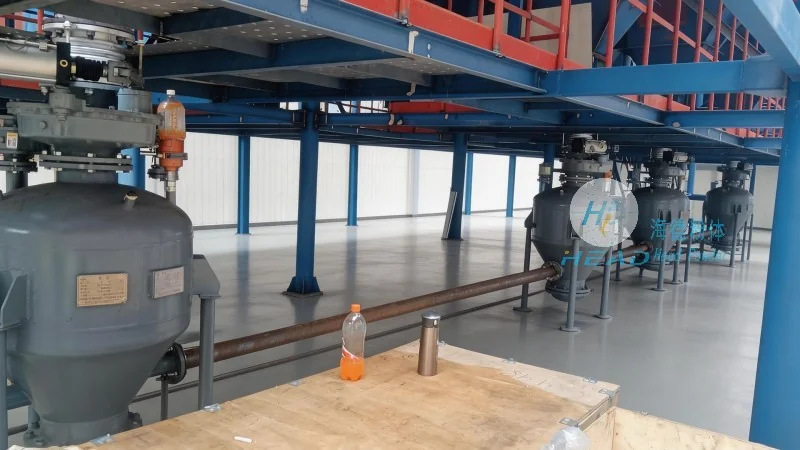
Another factor to consider is the scale of the operation. Large-scale cotton processing plants may require a combination of both systems to handle different stages of the process. For instance, a positive pressure system might be used for bale transfer, while a negative pressure system is used for dust collection and material transport in the cleaning stage.
Conclusion: Making the Right Choice for Your Cotton Conveying Needs
Selecting between positive and negative pressure conveying systems for cotton is a critical decision that impacts operational efficiency, material quality, and cost. By understanding the characteristics and applications of each system, you can make an informed choice that aligns with your specific requirements. Positive pressure systems offer advantages in terms of simplicity and material integrity, while negative pressure systems excel in dust control and flexibility.
When considering the implementation of a cotton conveying system, it is essential to evaluate factors such as material properties, plant layout, and operational goals. Consulting with experts from companies like Shandong HeadPowder Engineering Co., Ltd., based in China, can provide valuable insights into the best conveying solution for your needs. Their expertise in designing and manufacturing efficient conveying systems ensures that you choose the right technology to optimize your cotton processing operations.