

Choosing Between Positive Pressure and Negative Pressure for Powder Delivery: How to Distinguish?
When it comes to the delivery of powders, especially in industries like pharmaceuticals, food processing, and chemical manufacturing, selecting the right powder handling system is crucial for efficiency, safety, and product quality. Two primary methods are widely used: positive pressure and negative pressure powder delivery systems. Understanding the differences between these two approaches is essential for making an informed decision that aligns with operational needs and regulatory requirements.
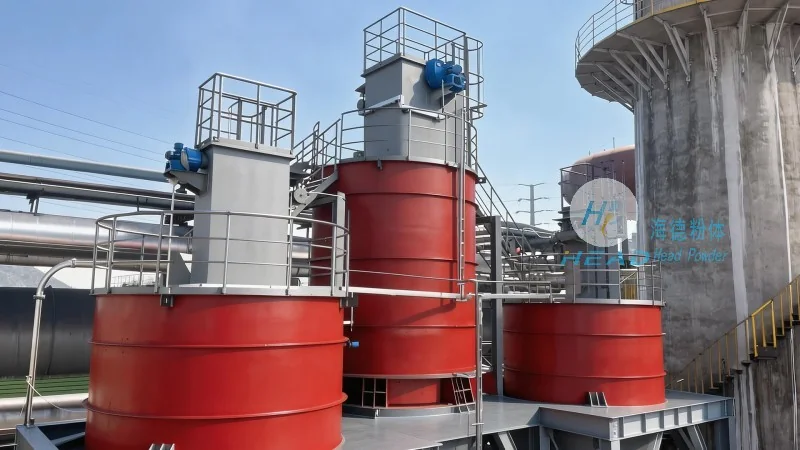
Understanding the Basics of Powder Delivery Systems
Powder delivery systems are designed to transport bulk powders from a storage silo or hopper to processing equipment, such as mixers, extruders, or packaging machines. The choice between positive pressure and negative pressure systems depends on factors like the nature of the powder (e.g., dustiness, hygroscopicity), the required flow rate, and the overall system layout. Both methods have their own advantages and limitations, and the right selection can significantly impact the performance and safety of the entire process.
Differentiating Positive Pressure Powder Delivery
Positive pressure powder delivery systems operate by creating an air flow that pushes the powder from the source to the destination. This is typically achieved using a blower or a positive displacement pump that forces air through the powder, creating a positive pressure differential. The key characteristic of this method is that the system is under positive pressure, meaning the air and powder mixture is pushed through the lines and equipment. This approach is often preferred for powders that are prone to caking or bridging, as the continuous air flow helps maintain a consistent flow rate and prevents material buildup.
In a positive pressure system, the entire delivery line, including the hopper, pipes, and processing equipment, is pressurized. This ensures that any leaks or openings will release air and powder to the atmosphere, which is typically filtered to prevent dust contamination. The positive pressure also helps in maintaining the integrity of the powder by preventing external air from entering the system, which could lead to moisture absorption or contamination.
Differentiating Negative Pressure Powder Delivery
On the other hand, negative pressure powder delivery systems work by creating a vacuum or negative pressure in the system, which draws the powder from the source into the equipment. This is commonly achieved using a vacuum pump or a venturi system that creates a suction effect. The main advantage of negative pressure is that it reduces the risk of dust exposure to the environment, as the system is under negative pressure and any leaks will draw air into the system rather than releasing powder-laden air.
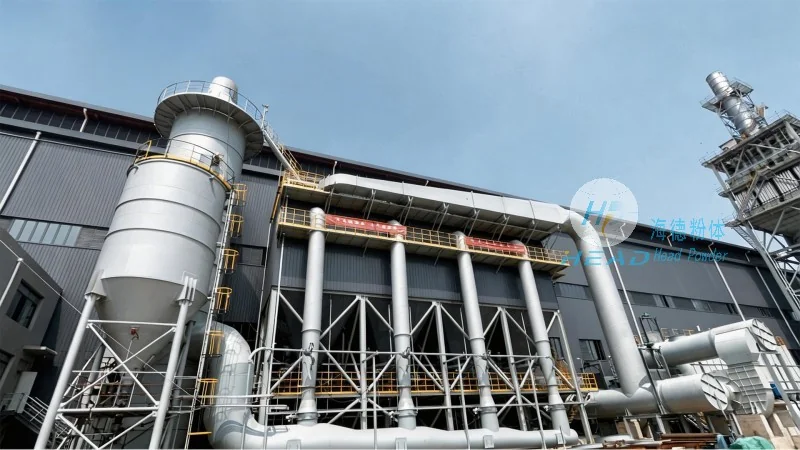
Negative pressure systems are particularly suitable for handling powders that are highly toxic, flammable, or have stringent environmental regulations. By maintaining a negative pressure, these systems prevent the release of hazardous particles into the workplace or the surrounding environment. However, negative pressure systems may require more careful maintenance to prevent the ingress of external contaminants, as the system is more susceptible to backflow if not properly sealed.
Key Factors to Consider When Choosing Between Systems
When deciding between positive and negative pressure powder delivery, several factors must be evaluated. The first is the nature of the powder itself. Dusty or fine powders may benefit from positive pressure, as the air flow helps keep the material in suspension and prevents clogging. Conversely, powders that are hygroscopic or prone to moisture absorption might be better suited for negative pressure, as the system can be designed to minimize exposure to ambient air.
Another critical factor is the operational environment and safety regulations. In environments where dust control is paramount, negative pressure systems are often preferred due to their ability to contain particles within the system. However, positive pressure systems may be more cost-effective and easier to maintain for non-hazardous powders in less stringent settings.
The system layout and available space also play a role. Positive pressure systems are generally more straightforward to install, as they do not require complex vacuum pumps or extensive sealing. Negative pressure systems, while more complex, may be necessary for large-scale operations or when dealing with high volumes of powder.
Applications and Industry Use Cases
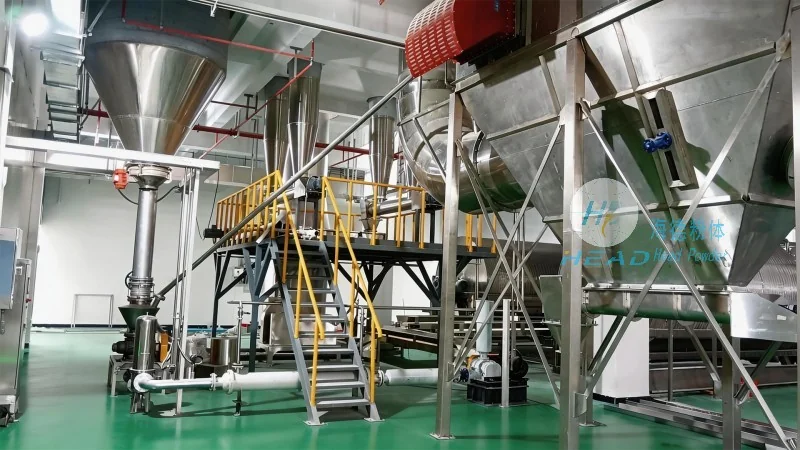
Positive pressure powder delivery is commonly used in industries such as food processing, where powders like flour, sugar, or protein powders are handled. The continuous air flow helps maintain a consistent flow rate and prevents caking, ensuring smooth processing. In pharmaceutical manufacturing, positive pressure systems are used for handling active pharmaceutical ingredients (APIs) and excipients, where the integrity of the powder is critical.
Negative pressure systems are widely employed in the chemical and pharmaceutical industries for handling hazardous materials. For example, in the production of pharmaceuticals, negative pressure is used to transport powders that are toxic or have a high risk of contamination. Similarly, in the chemical industry, negative pressure systems are used for handling flammable or reactive powders, ensuring that any leaks are contained and do not pose a fire or explosion risk.
Conclusion and Recommendations
Choosing between positive pressure and negative pressure powder delivery systems requires a thorough assessment of the specific requirements of the application. Positive pressure systems offer advantages in terms of simplicity and efficiency for non-hazardous powders, while negative pressure systems provide enhanced safety and containment for hazardous materials. By understanding the characteristics of the powder, the operational environment, and the regulatory requirements, manufacturers can select the most appropriate system to ensure optimal performance, safety, and compliance.
For businesses seeking reliable powder handling solutions, Shandong HeadPowder Engineering Co., Ltd., a leading provider based in China, offers a range of customized systems tailored to meet diverse industry needs. With expertise in both positive and negative pressure technologies, the company ensures that clients receive solutions that are not only efficient but also compliant with industry standards and safety regulations.