

Operation Process and Working Principle of Suboxide Zinc Oxide Powder Conveying
Suboxide zinc oxide powder conveying systems are critical components in industrial processes, particularly in applications requiring the efficient transport of this specific material. The operation process and working principle of such systems are designed to ensure reliable, safe, and consistent material handling. This document provides a detailed overview of how these systems function, highlighting key operational steps and the underlying principles that govern their performance.
Key Components and Their Roles
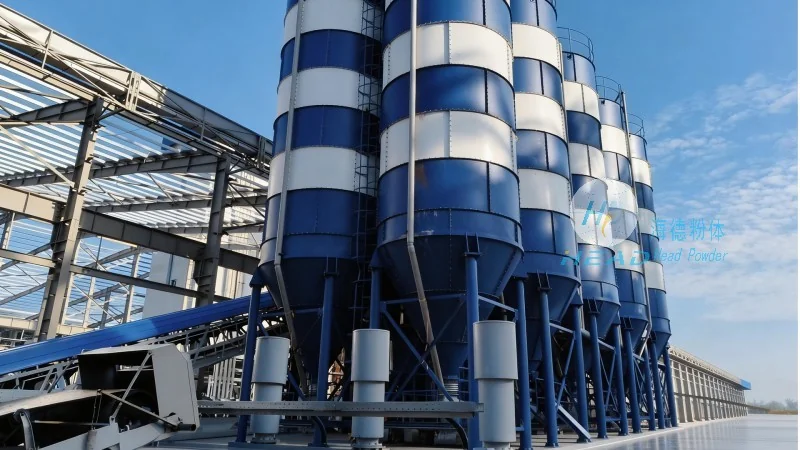
The suboxide zinc oxide powder conveying system typically consists of several essential components, each playing a vital role in the overall process. These include the material feed hopper, which stores and regulates the flow of the powder; the conveyor mechanism, such as a screw conveyor or pneumatic system, responsible for transporting the material; and the control system, which monitors and adjusts the operation based on real-time conditions. The feed hopper is designed to prevent material bridging and ensure a uniform feed rate, while the conveyor mechanism provides the necessary force to move the powder through the system. The control system integrates sensors and actuators to maintain optimal operating parameters, such as pressure, flow rate, and temperature, which are crucial for preventing material degradation and equipment damage.
Operation Process: Step-by-Step Overview
The operation of a suboxide zinc oxide powder conveying system follows a systematic sequence of steps to ensure smooth and efficient material transport. The process begins with the loading of the powder into the feed hopper. The hopper is equipped with a level sensor that detects the material height and signals the control system when it needs to be refilled. Once the hopper is filled, the control system activates the conveyor mechanism. In a screw conveyor system, for example, the rotating screw pushes the powder forward through the conveyor tube. The speed of the screw is adjustable to control the flow rate, which is critical for maintaining consistent material delivery to downstream processes. The conveyor tube is usually made of materials resistant to corrosion and abrasion, such as stainless steel or polyethylene, to withstand the chemical properties of suboxide zinc oxide and prevent contamination.
Working Principle: Mechanisms and Physics
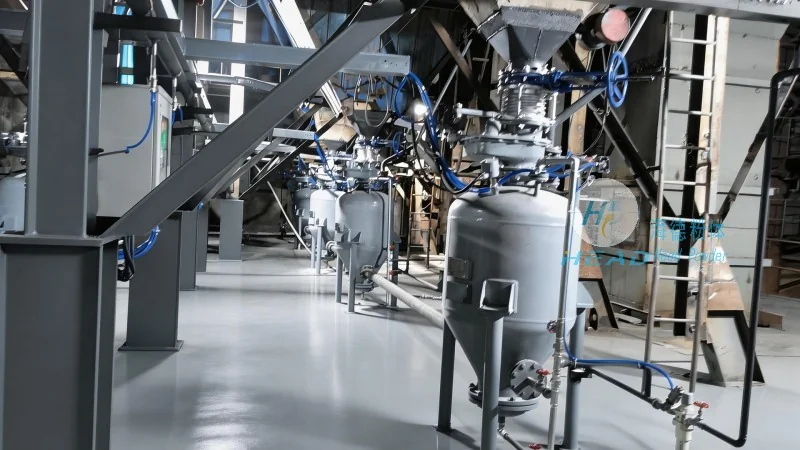
The working principle of suboxide zinc oxide powder conveying systems is based on fundamental principles of fluid dynamics and mechanical engineering. For pneumatic conveying systems, the process involves creating a pressure differential between the feed and discharge points. Compressed air is introduced into the system, creating a flow that entrains the powder particles and transports them through the pipeline. The velocity of the air and the particle size distribution are key factors in determining the efficiency of the conveying process. In mechanical conveying systems, such as screw or belt conveyors, the principle of solid friction and shear is applied. The rotating screw or moving belt provides the necessary force to move the powder by reducing the friction between the material and the conveyor surface, allowing the material to move forward under the influence of gravity and the conveyor's motion.
Control and Monitoring Systems
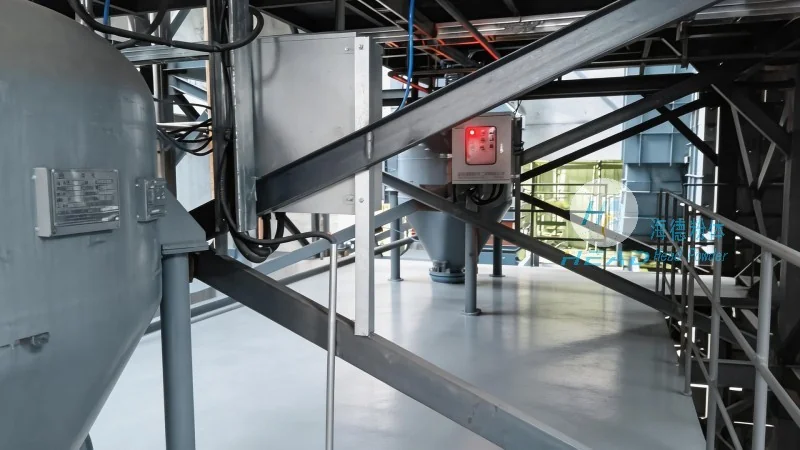
Effective control and monitoring are essential for maintaining the performance and safety of suboxide zinc oxide powder conveying systems. Modern systems are equipped with advanced sensors and control algorithms that provide real-time data on various parameters. Pressure sensors monitor the air pressure in pneumatic systems, ensuring that the conveying velocity is sufficient to prevent material settling. Flow meters measure the rate of powder transport, allowing operators to adjust the system settings to meet production demands. Temperature sensors are also used to detect any abnormal heating, which could indicate blockages or excessive friction in the system. The control system integrates all these data points and adjusts the conveyor speed, air pressure, or feed rate as needed to maintain optimal operating conditions. This closed-loop control ensures that the system operates efficiently and safely, minimizing downtime and reducing the risk of material loss or equipment failure.
Maintenance and Operational Considerations
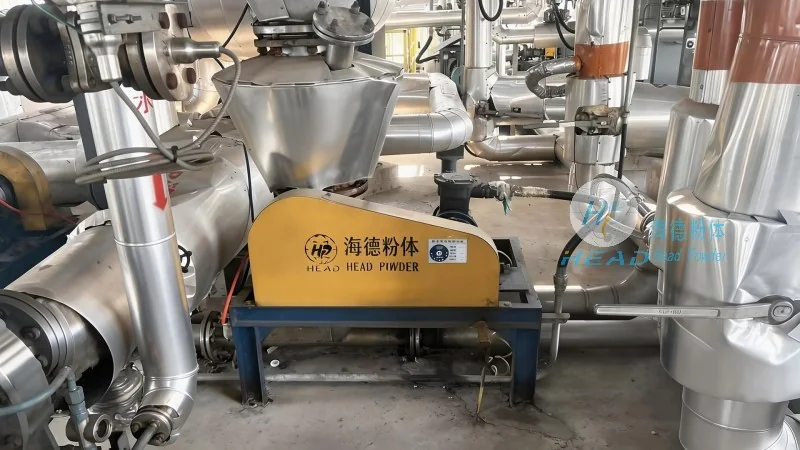
Maintaining the performance of suboxide zinc oxide powder conveying systems requires regular inspection and maintenance procedures. Regular cleaning of the feed hopper and conveyor tubes is necessary to prevent material buildup and blockages, which can reduce the system's efficiency and increase the risk of equipment damage. The conveyor mechanism, such as the screw or belt, should be inspected for wear and tear, and replaced as needed to prevent breakdowns. The control system components, including sensors and actuators, should be checked for proper functionality and calibrated as required to ensure accurate operation. Additionally, operators should be trained to recognize signs of system malfunction, such as unusual noises or changes in material flow, and take appropriate action to address issues promptly. Proper maintenance not only extends the lifespan of the equipment but also ensures consistent and reliable material transport, which is critical for maintaining product quality and meeting production targets.
Conclusion
In summary, suboxide zinc oxide powder conveying systems are sophisticated industrial equipment designed to efficiently transport this specific material. The operation process involves a series of steps, from material loading to transport and discharge, while the working principle is based on fluid dynamics and mechanical forces. Effective control and monitoring systems are essential for maintaining optimal performance, and regular maintenance is crucial for ensuring the longevity and reliability of the system. By understanding and implementing these principles, industrial facilities can achieve efficient and safe material handling, contributing to improved productivity and product quality.