

Operation Process and Working Principle of Precipitated Barium Sulfate Powder Conveying
For industries relying on high-purity precipitated barium sulfate (BaSO₄) powders, efficient and reliable powder conveying is critical to maintaining production efficiency and product quality. Shandong HeadPowder Engineering Co., Ltd., a leading manufacturer in the field, specializes in providing advanced solutions for the transportation of these fine powders. This article delves into the operation process and working principles of such systems, highlighting key components and operational dynamics.
Company Overview: HeadPowder Engineering
HeadPowder, or Shandong HeadPowder Engineering Co., Ltd., is headquartered in Shandong, China. With a focus on innovation and precision engineering, the company has established itself as a trusted provider of powder handling equipment tailored to the specific needs of the chemical, pharmaceutical, and industrial sectors. Their expertise in material science and mechanical design ensures that each conveying system is optimized for performance, durability, and safety.
Key Components of Precipitated Barium Sulfate Powder Conveying Systems
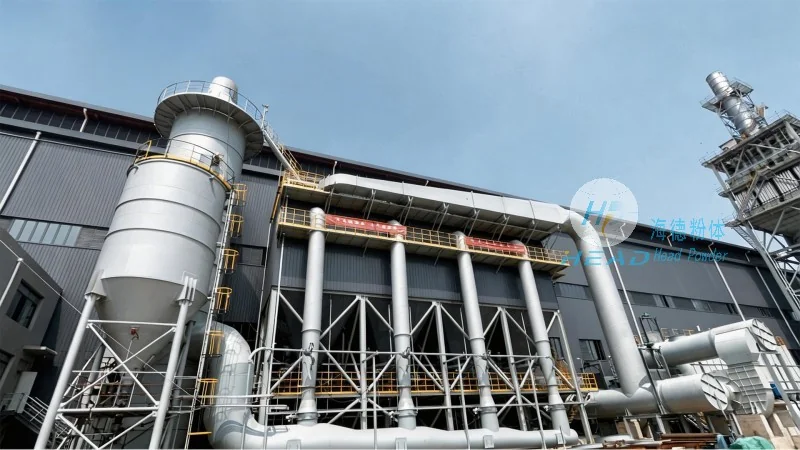
The core of any effective powder conveying system for precipitated barium sulfate involves several interconnected components. These typically include feed hoppers, screw conveyors or pneumatic transport lines, control panels, and dust collection systems. Each component plays a vital role in ensuring the smooth and safe movement of the fine powder from storage to processing units.
Operation Process: Step-by-Step Overview
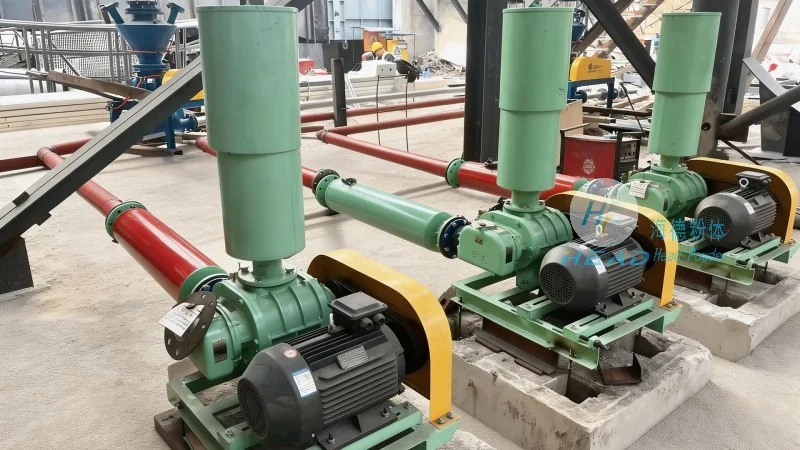
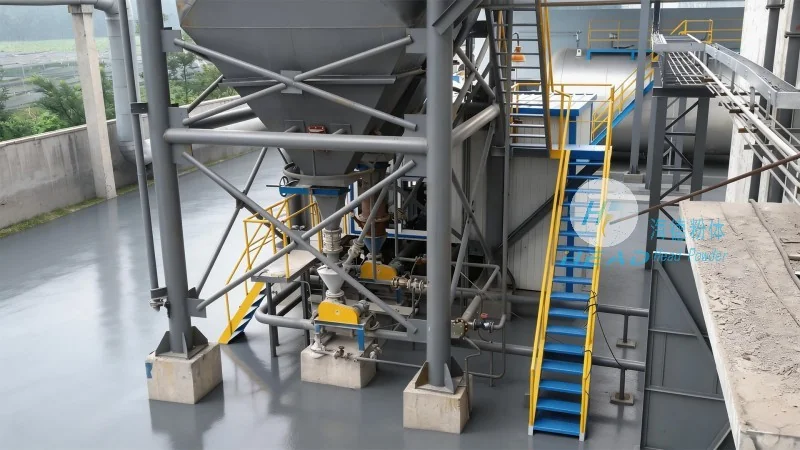
The operation process of a precipitated barium sulfate powder conveying system begins with the loading of the powder into the feed hopper. The hopper is designed to hold a sufficient quantity of material, allowing for continuous or batch feeding as required by the production schedule. Once the powder is in the hopper, a motor-driven screw conveyor or a pneumatic blower initiates the transport process. The screw conveyor, for instance, uses rotating helical blades to push the powder forward through a sealed tube, while pneumatic systems utilize compressed air to create a flow of powder particles.
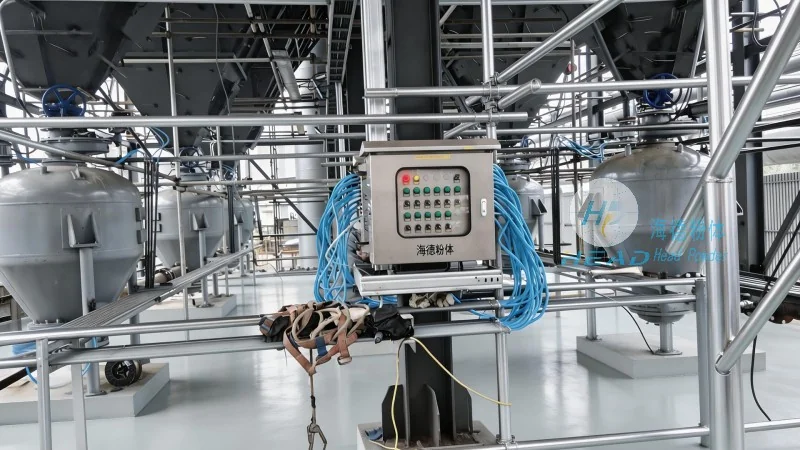
During the conveying process, the system maintains a consistent flow rate by adjusting the speed of the conveyor or the air pressure in the pneumatic line. This ensures that the powder moves without clogging or segregation, which can lead to uneven distribution or product degradation. The control panel, equipped with sensors and monitoring devices, continuously tracks parameters such as pressure, temperature, and flow rate, providing real-time feedback to operators and enabling immediate adjustments if deviations occur.
Working Principles: Mechanical and Pneumatic Dynamics
The working principles of these systems are rooted in the physics of powder flow and material handling. For mechanical conveyors, the screw mechanism applies a shear force to the powder, causing it to move along the conveyor path. The design of the screw, including its pitch and diameter, is optimized to minimize friction and prevent particle degradation. In contrast, pneumatic systems rely on the principle of fluidization, where compressed air creates a turbulent flow that suspends the powder particles and transports them through the pipeline.
Both systems must address the challenges of powder handling, such as static electricity, which can cause dust accumulation and affect the flow. Anti-static measures, including grounding and conductive materials, are integrated into the design to mitigate these issues. Additionally, the systems are equipped with dust collection and filtration units to ensure environmental compliance and maintain a clean working environment.
Benefits and Applications in Industrial Settings
Efficient powder conveying of precipitated barium sulfate offers numerous benefits for industrial applications. By maintaining consistent flow rates and preventing material loss or contamination, these systems enhance production efficiency and product purity. The sealed design of the conveying systems also minimizes exposure to moisture and contaminants, which is crucial for high-purity applications in the pharmaceutical and cosmetics industries. Furthermore, the modular nature of these systems allows for easy integration into existing production lines, reducing downtime and installation costs.