

Operation Process and Working Principle of Powder Conveying for Lithium-Ion Battery Anode Materials
Shandong HeadPowder Engineering Co., Ltd., commonly known as HeadPowder, specializes in the design and manufacturing of advanced powder handling and conveying systems, particularly for the lithium-ion battery industry. The company’s focus is on providing reliable and efficient solutions for transporting anode materials, which are crucial components in the production of lithium-ion batteries. This article explores the operation process and working principles of these systems, highlighting their importance in modern battery manufacturing.
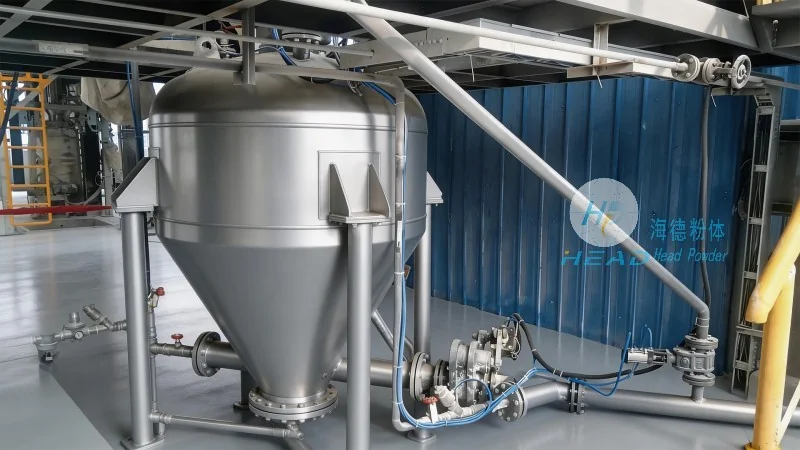
Importance of Powder Conveying in Lithium-Ion Battery Production
In the production of lithium-ion batteries, the anode material is a critical component that directly impacts the battery’s performance, capacity, and lifespan. Anode powders, such as graphite, silicon, or composite materials, must be handled with precision to ensure uniformity and quality. Powder conveying systems are essential for moving these materials from storage to processing units, including mixing, coating, and cell assembly. These systems must maintain particle integrity, prevent contamination, and operate under high-volume production conditions. HeadPowder’s solutions address these challenges by integrating robust engineering and advanced technology to deliver consistent and reliable performance.
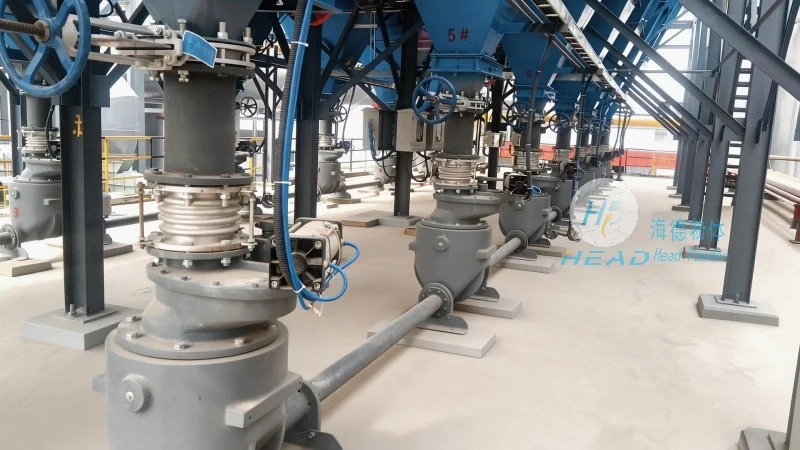
Operation Process of Powder Conveying for Anode Materials
The operation process of a typical powder conveying system for lithium-ion battery anode materials involves several sequential steps. First, the anode powder is stored in a bulk container or silo, where it is kept under controlled conditions to prevent moisture absorption or degradation. From the storage vessel, the powder is fed into a conveying device, such as a screw conveyor or pneumatic feeder. The system then transports the powder to the processing line, where it is mixed with other components or directly fed into the coating or cell formation equipment. Each step is designed to minimize material loss, ensure uniform flow, and maintain product quality. HeadPowder’s systems are engineered to handle various anode powder types, including different particle sizes and flow characteristics, adapting to the specific requirements of each production line.
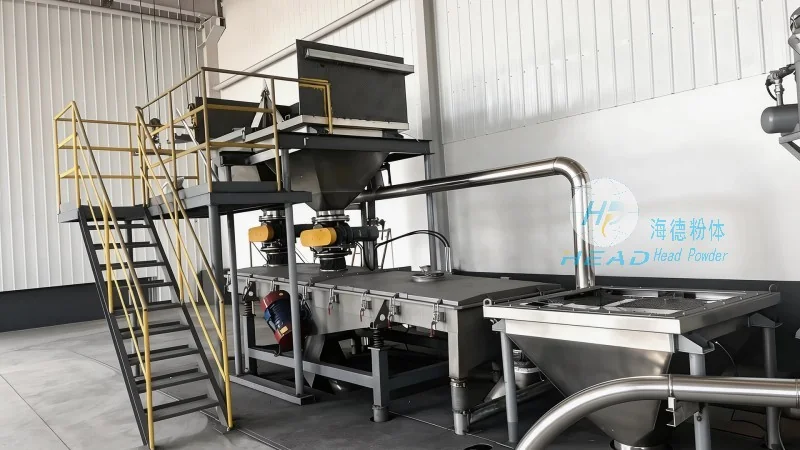
Working Principle of Powder Conveying Systems
The working principle of powder conveying systems relies on mechanical or pneumatic forces to move dry powders. Mechanical systems, like screw conveyors, utilize rotating screws to push the powder along a tube or trough. The screw’s rotation creates a pressure gradient that propels the material forward, ensuring a consistent flow rate. Pneumatic systems, on the other hand, use compressed air to create a flow of air and powder through a pipeline. The air velocity is carefully controlled to ensure the powder is carried without segregation or degradation. HeadPowder’s systems often employ a hybrid approach, combining mechanical and pneumatic elements to optimize performance. For example, a screw feeder may control the feed rate from the storage silo, while a pneumatic conveyor transports the powder over longer distances. This combination ensures efficient, low-dust, and reliable powder handling, minimizing the risk of material breakdown or contamination.
Technical Features and Advantages of HeadPowder’s Conveying Solutions
HeadPowder’s powder conveying systems for lithium-ion battery anode materials are distinguished by several technical features that enhance performance and reliability. One key feature is the use of high-quality materials for construction, such as stainless steel or corrosion-resistant alloys, which are essential for handling reactive or abrasive powders. The systems are also equipped with advanced control systems that allow for real-time monitoring of flow rates, pressure, and temperature, enabling operators to adjust parameters as needed to maintain optimal operation. Additionally, the design incorporates dust suppression mechanisms, such as sealed housings and air filtration, to minimize environmental impact and maintain a safe working environment. These features collectively contribute to improved product quality, reduced downtime, and enhanced safety in the production process. The company’s commitment to innovation ensures that its solutions remain at the forefront of the industry, supporting the growing demand for high-performance lithium-ion batteries.
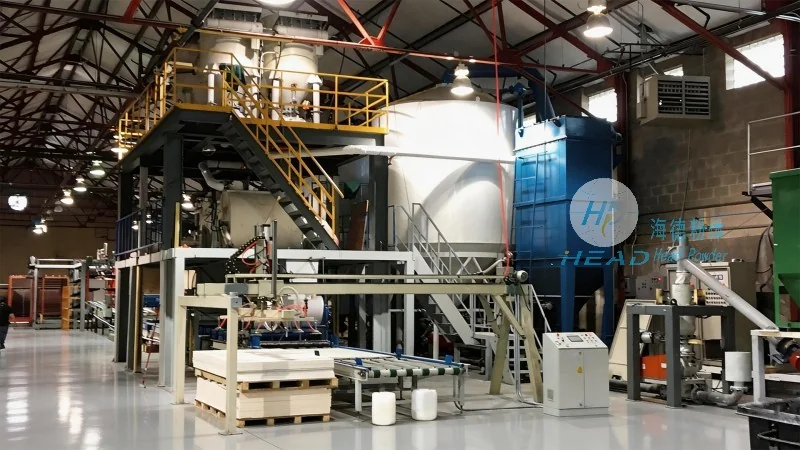
Conclusion
Efficient and reliable powder conveying is a critical factor in the production of lithium-ion batteries, as it directly impacts the quality and consistency of the final product. HeadPowder, with its expertise in engineering and manufacturing, provides advanced solutions that address the unique challenges of anode material handling. By understanding the operation process and working principles of these systems, battery manufacturers can optimize their production lines, reduce costs, and improve overall performance. The company’s focus on customer satisfaction and technological advancement ensures that its solutions continue to meet the evolving needs of the battery industry, supporting the global shift towards sustainable energy solutions.