

Operation Process and Working Principle of High-Pressure Powder Conveying Systems
High-pressure powder conveying systems represent advanced industrial solutions engineered to efficiently transport bulk powder materials over extended distances with high reliability and minimal material degradation. These systems are widely utilized across diverse sectors including pharmaceuticals, chemicals, food processing, and mining, where precise and controlled powder handling is essential. The operation process and working principle of these systems involve interconnected components and mechanisms that collaborate to ensure smooth and effective material transfer.
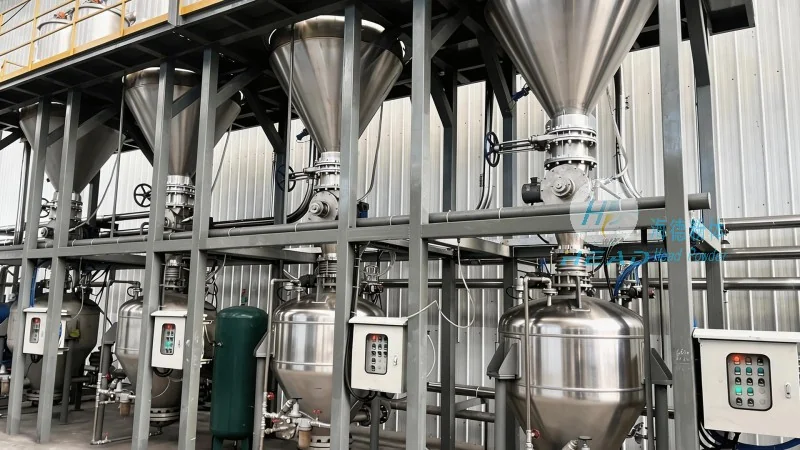
Core Components of High-Pressure Powder Conveying Systems
High-pressure powder conveying systems typically comprise several critical components that work in unison to achieve efficient material transport. The primary components include a high-pressure pump, a conveying line (commonly constructed from stainless steel or other corrosion-resistant materials), a control system, and a receiver or discharge unit. Additional auxiliary components such as filters, pressure regulators, and safety valves may be integrated to enhance system performance and safety. The high-pressure pump serves as the system's heart, responsible for generating the necessary pressure to move the powder through the conveying line. The conveying line is designed to withstand high pressures and maintain airtight seals to prevent powder leakage and contamination. The control system enables operators to monitor and adjust system parameters, ensuring optimal performance under varying conditions. The receiver or discharge unit is where the material is collected or discharged, and it may incorporate features like dust collection and material discharge mechanisms.
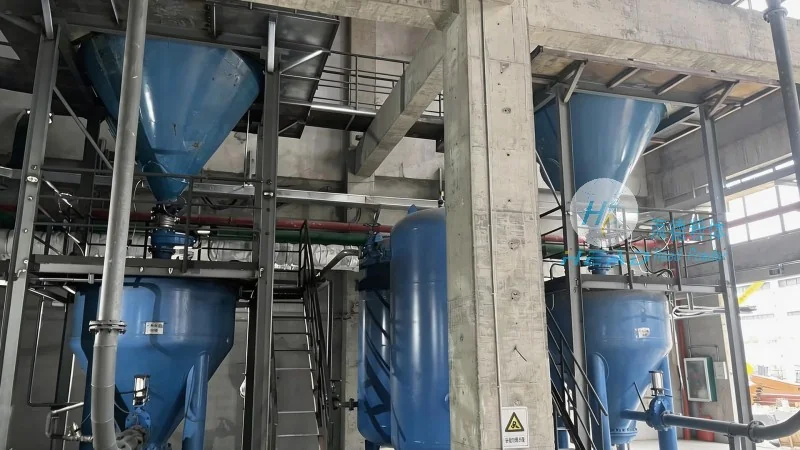
Working Principle of High-Pressure Powder Conveying Systems
The working principle of high-pressure powder conveying systems is grounded in pneumatic conveying, where powder is suspended in a carrier gas (usually air) and transported through a pipeline under pressure. The high-pressure pump draws in the powder material and mixes it with the carrier gas, creating a homogeneous slurry. This slurry is then forced through the conveying line at high velocity, ensuring that the powder particles are fully entrained and transported to the destination. The pressure maintained within the system is crucial for sustaining the flow of the powder and preventing blockages or clogging in the pipeline. The system operates by establishing a pressure differential between the inlet and outlet, which drives the material through the system. The control system continuously monitors the pressure and flow rates, adjusting the pump speed or gas flow as needed to maintain stable operation. This dynamic control ensures the system can handle different types of powders with varying properties, such as particle size, density, and moisture content.
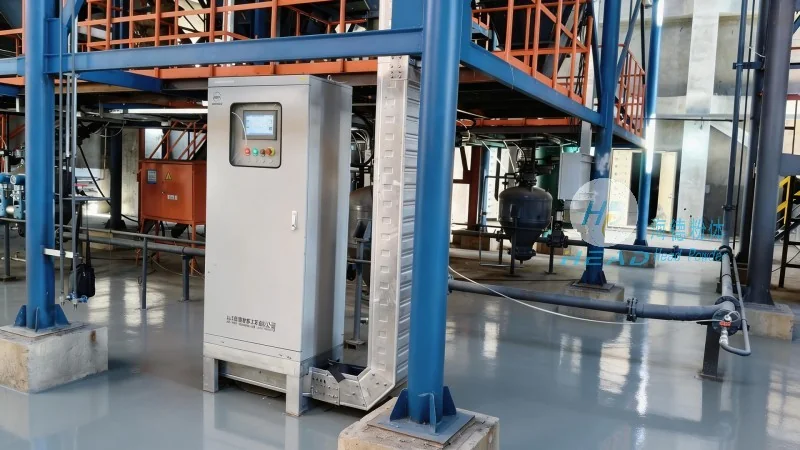
Operation Process of High-Pressure Powder Conveying Systems
The operation process of high-pressure powder conveying systems involves sequential steps that ensure efficient and safe material transfer. The process generally begins with the preparation of the powder material, which may include pre-drying or screening to remove moisture or oversized particles that could cause blockages. The powder is then fed into the system through a hopper or feeder, which regulates the flow rate into the high-pressure pump. The pump then mixes the powder with the carrier gas and pressurizes the mixture, which is subsequently sent through the conveying line to the receiving unit. At the receiving end, the material is discharged into a storage silo or processing equipment, and the carrier gas is typically filtered and recycled back into the system to minimize waste and energy consumption. The control system plays a critical role in monitoring the entire process, providing real-time data on pressure, flow rate, and material level. Operators can adjust system parameters as needed to optimize performance, such as increasing the pump speed to handle higher material loads or adjusting the gas flow to maintain consistent particle suspension. Safety features, such as pressure relief valves and emergency stop buttons, are integrated into the system to prevent accidents and ensure operator safety. Regular maintenance, including cleaning the conveying line and replacing filters, is essential to maintain the system's efficiency and longevity.
Applications and Advantages of High-Pressure Powder Conveying Systems
High-pressure powder conveying systems are widely applied across various industries due to their versatility and efficiency. In the pharmaceutical industry, these systems are employed to transport active pharmaceutical ingredients (APIs) and excipients with high precision, ensuring the material remains sterile and free from contamination. In the chemical industry, they are used to handle corrosive or abrasive powders, such as chemicals utilized in manufacturing or industrial processes. The food processing industry utilizes high-pressure powder conveying systems to transport ingredients like flour, sugar, and spices, maintaining the quality and freshness of the products. In the mining industry, these systems are used to transport bulk materials like ores and minerals from processing plants to storage facilities or for further processing. The benefits of high-pressure powder conveying systems include reduced labor costs, improved material handling efficiency, and minimized material degradation compared to traditional methods like manual handling or low-pressure pneumatic systems. Additionally, these systems can handle a wide range of powder types and particle sizes, making them suitable for diverse industrial applications. The ability to transport materials over long distances without the need for intermediate storage or handling points also enhances operational efficiency and reduces the risk of material loss or contamination.
Conclusion
High-pressure powder conveying systems represent a sophisticated and reliable solution for bulk powder material handling in modern industrial applications. By understanding the operation process and working principle of these systems, users can optimize their performance and ensure efficient, safe, and cost-effective material transport. The integration of advanced control systems and robust components makes these systems suitable for demanding industrial environments, where precision and reliability are paramount. As technology continues to advance, high-pressure powder conveying systems are likely to evolve further, incorporating more intelligent features and sustainable practices to meet the growing demands of the industrial sector. For businesses seeking to enhance their material handling capabilities, investing in a high-pressure powder conveying system from a reputable manufacturer like Shandong HeadPowder Engineering Co., Ltd. can provide significant benefits in terms of efficiency, productivity, and operational safety.