

The Operation Process and Working Principle of Cement Raw Material Pneumatic Conveying
HeadPowder, a leading engineering firm based in Shandong, China, specializes in advanced solutions for cement raw material handling. Our expertise lies in pneumatic conveying systems, which efficiently transport bulk materials like cement raw materials over long distances with minimal operational complexity. This article delves into the operation process and working principle of cement raw material pneumatic conveying, highlighting the technical aspects and practical applications of this critical industrial process.
Company Overview and Expertise
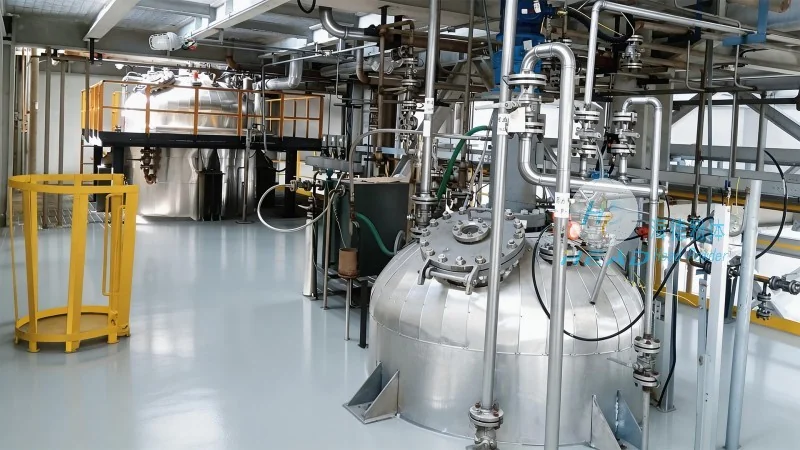
Shandong HeadPowder Engineering Co., Ltd. is a reputable company dedicated to providing innovative engineering solutions for the cement industry. With a strong focus on pneumatic conveying technology, HeadPowder has developed state-of-the-art systems that enhance material handling efficiency, reduce downtime, and improve overall production reliability. Our team of experienced engineers and technicians ensures that each system is tailored to meet the specific needs of clients, whether in new plant installations or system upgrades. Based in Shandong, China, our company leverages local manufacturing capabilities and global market insights to deliver high-quality, cost-effective solutions for cement raw material transportation.
The Operation Process of Cement Raw Material Pneumatic Conveying
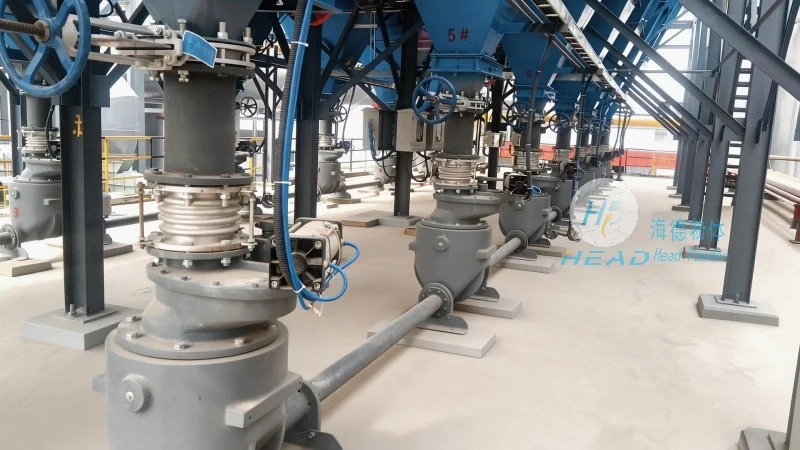
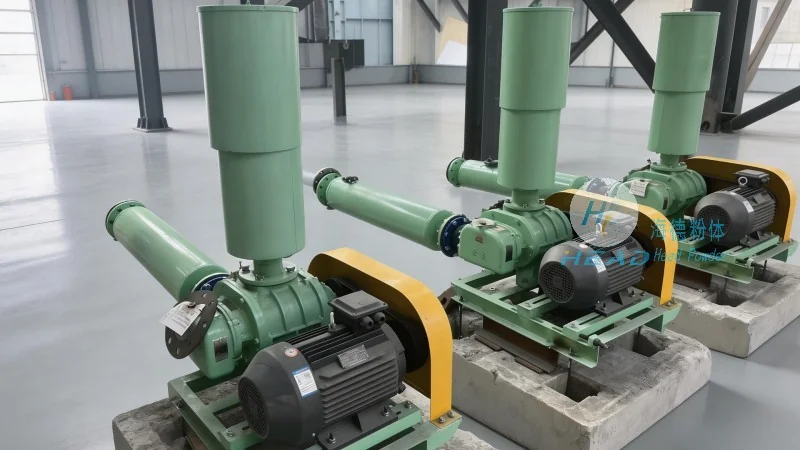
The operation process of cement raw material pneumatic conveying involves several key steps that ensure smooth and continuous material transport. The process begins with the loading of raw materials into a hopper or storage silo. From there, the material is fed into the conveying system via a feeder, which controls the flow rate to maintain consistent pressure and velocity in the pipeline. The conveying medium, typically air or a mixture of air and other gases, is introduced into the system through a blower or compressor. As the material is introduced into the pipeline, it is entrained by the moving air, forming a dense or dilute phase flow depending on the system design. The material travels through the pipeline to the discharge point, where it is separated from the air and collected in a receiving hopper or silo. The system also includes components such as filters, cyclones, and dust collectors to manage air quality and prevent material loss. Throughout the operation, sensors and control systems monitor pressure, flow rate, and other parameters to ensure optimal performance and prevent issues like blockages or pressure drops.
Working Principle of Cement Raw Material Pneumatic Conveying
The working principle of cement raw material pneumatic conveying is based on the physics of fluid dynamics and material transport. The system operates by creating a pressure differential between the inlet and outlet of the pipeline. The blower or compressor generates a high-pressure air stream that moves through the pipeline, carrying the raw material particles along with it. The key to efficient conveying is achieving the right balance between air velocity and material size, density, and moisture content. In dense phase conveying, the material is transported in a slurry-like state, where the air velocity is low enough to keep the material particles in contact with each other and the pipeline walls. This method is ideal for transporting abrasive or fragile materials like cement raw materials, as it minimizes wear and reduces the risk of material degradation. In contrast, dilute phase conveying uses higher air velocities to transport material in a more dispersed state, suitable for shorter distances or less abrasive materials. The working principle also involves the use of appropriate pipeline diameters, bends, and fittings to minimize pressure losses and ensure smooth flow. The system's control mechanisms adjust air pressure and flow rate in real-time to maintain stable operation and adapt to changes in material feed rate or pipeline conditions.
Technical Features and Advantages
Cement raw material pneumatic conveying systems offered by HeadPowder feature several technical advantages that make them superior to traditional mechanical conveying methods. One of the primary benefits is the ability to transport materials over long distances without the need for intermediate storage or transfer points. This reduces the overall footprint of the plant and minimizes the risk of material contamination or loss. The systems are also highly flexible, allowing for easy integration with existing plant infrastructure or expansion of conveying capacity as production needs grow. Another key advantage is the reduced maintenance requirements compared to mechanical systems, as there are fewer moving parts and less wear from friction. The use of air as the conveying medium also eliminates the need for mechanical components like belts, chains, or buckets, which can be prone to failure or require frequent replacement. Additionally, pneumatic conveying systems can handle a wide range of material types, including powders, granules, and even wet or sticky materials, making them versatile for various cement production processes. The systems are designed with safety in mind, incorporating features such as pressure relief valves, explosion-proof components, and dust suppression systems to protect personnel and equipment from hazards.
Applications and Practical Considerations
The applications of cement raw material pneumatic conveying are widespread across the cement industry, from raw material handling to finished product distribution. In raw material processing, the system is used to transport limestone, clay, and other raw materials from storage silos to the grinding mills, where they are processed into cement clinker. The ability to handle large volumes of material efficiently makes it ideal for high-throughput cement plants. In addition, the system is used for transporting cement clinker from the kiln to the cement storage silos, ensuring a continuous supply of raw material for the cement grinding process. The practical considerations for implementing a pneumatic conveying system include the selection of the appropriate conveying type (dense or dilute phase), pipeline layout, and control system. The system design must take into account factors such as material properties, distance to be covered, and available space in the plant. HeadPowder provides comprehensive engineering services to assist clients in selecting the right system configuration and ensuring optimal performance. Our team conducts detailed site assessments, material analysis, and process simulations to design a system that meets the specific requirements of each project. The implementation of the system involves careful planning, installation, and commissioning to ensure that all components are integrated correctly and operate as intended. Regular maintenance and monitoring are also essential to maintain the system's efficiency and longevity.