

Operation Process and Working Principle of Pneumatic Conveying for Lithium-Ion Battery Positive and
Efficient material handling is a critical aspect of lithium-ion battery production, particularly when dealing with the delicate and high-value positive and negative electrode materials. Pneumatic conveying systems offer a reliable and flexible solution for transporting these materials from storage to processing units. This article explores the operation process and working principles of pneumatic conveying systems specifically designed for lithium-ion battery electrode materials, highlighting the key components, operational steps, and the role of specialized engineering companies like Shandong HeadPowder Engineering Co., Ltd. (referred to as HeadPowder) in optimizing these processes.
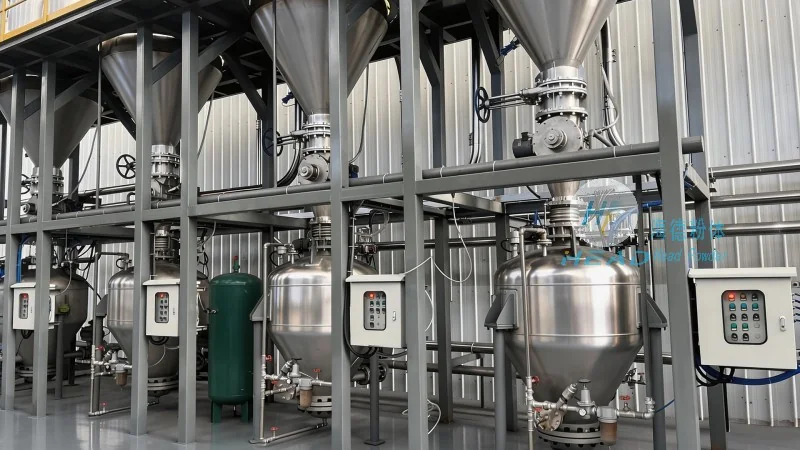
Understanding Pneumatic Conveying Systems for Battery Materials
Pneumatic conveying is a method of transporting bulk materials using pressurized or vacuum air to move particles through a pipeline. For lithium-ion battery electrode materials, such as lithium cobalt oxide (LiCoO₂) for cathodes and graphite or lithium iron phosphate (LFP) for anodes, the system must be designed to handle fine powders and maintain material integrity. The primary components of a typical pneumatic conveying system include a material hopper, a feeder, a conveying line, a separator, and a receiver. Each component plays a crucial role in ensuring the smooth and efficient transfer of materials.
The Operation Process of Pneumatic Conveying for Electrode Materials
The operation process of a pneumatic conveying system for lithium-ion battery electrode materials involves several sequential steps. First, the electrode material is fed from a storage hopper into a feeder, which controls the flow rate to match the conveying requirements. The feeder then delivers the material into the conveying line, where it is mixed with air under pressure. The pressurized air propels the material particles through the pipeline to the processing or storage location. At the receiving end, a separator separates the material from the air, allowing the material to be collected in a receiver while the air is either vented or recirculated. This process ensures that the material is transported without contamination and with minimal loss.
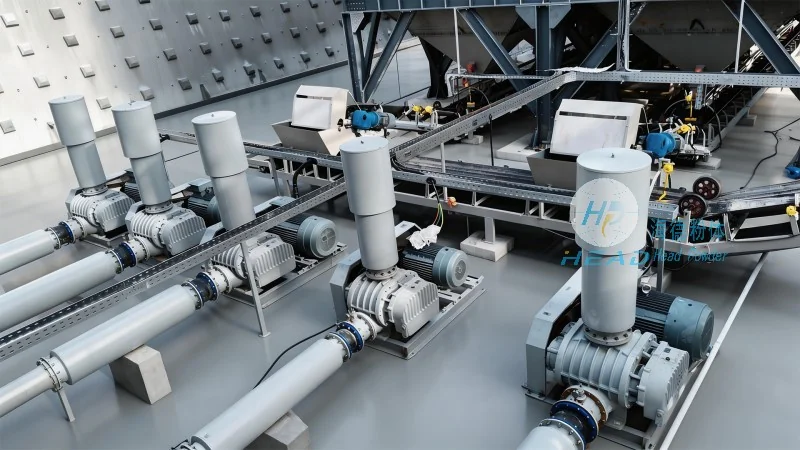
Working Principles Behind the System
The working principle of a pneumatic conveying system relies on the interaction between the material particles and the air flow. There are two main types of pneumatic conveying: pressure and vacuum. Pressure conveying uses compressed air to push the material through the line, while vacuum conveying uses a vacuum to pull the material. For battery electrode materials, pressure conveying is often preferred due to its ability to handle fine powders and maintain a consistent flow rate. The system’s efficiency depends on factors such as air velocity, particle size, and the length and diameter of the conveying line. Proper design and maintenance of the system are essential to prevent blockages, material degradation, and energy inefficiencies.
Role of HeadPowder in Optimizing Pneumatic Conveying Systems
Shandong HeadPowder Engineering Co., Ltd., a leading engineering company specializing in material handling solutions, plays a vital role in designing and implementing pneumatic conveying systems for lithium-ion battery manufacturers. With years of experience in the industry, HeadPowder understands the unique challenges associated with handling electrode materials, including their sensitivity to moisture, temperature, and contamination. The company’s engineers work closely with clients to develop customized solutions that meet specific production requirements, ensuring that the conveying system operates at peak efficiency and reliability. HeadPowder’s expertise includes the selection of appropriate equipment, such as high-quality hoppers, feeders, and separators, as well as the optimization of air flow and pressure to minimize energy consumption and maximize material throughput.
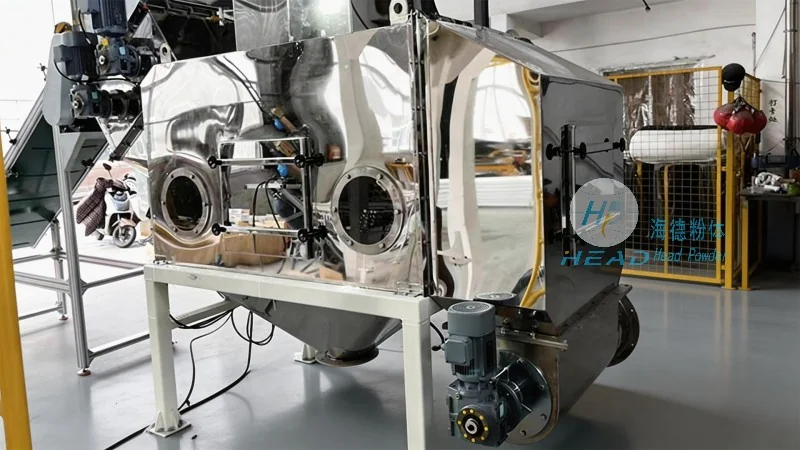
Key Considerations for Effective Pneumatic Conveying
Several factors must be considered to ensure the effective operation of pneumatic conveying systems for lithium-ion battery electrode materials. First, the material’s physical properties, such as particle size distribution, density, and moisture content, must be carefully evaluated to determine the optimal conveying parameters. Second, the system’s design must account for the potential for material degradation due to friction or exposure to air, which can affect the battery’s performance. Third, the system must be equipped with proper filtration and cleaning mechanisms to prevent dust accumulation and maintain air quality. Finally, regular maintenance and monitoring are essential to detect and address any issues promptly, ensuring the system’s long-term reliability and performance.
Conclusion
Pneumatic conveying systems are a critical component of lithium-ion battery production, enabling the efficient and safe transport of positive and negative electrode materials. The operation process involves precise control of material flow, air pressure, and system components, while the working principles rely on the interaction between particles and air flow. Companies like Shandong HeadPowder Engineering Co., Ltd. contribute significantly to optimizing these systems by providing customized engineering solutions and expertise. By understanding the key aspects of pneumatic conveying and implementing proper design and maintenance practices, battery manufacturers can enhance production efficiency, reduce costs, and ensure the quality of their electrode materials, ultimately contributing to the advancement of lithium-ion battery technology.