

Operation Process and Working Principle of Pneumatic Conveying for Artificial Graphite
Artificial graphite is a vital material in numerous industrial sectors, and its efficient transportation is paramount for maintaining operational efficiency. Pneumatic conveying has emerged as a preferred method for handling such materials, offering benefits in terms of safety, cleanliness, and operational flexibility. This article delves into the operation process and working principle of pneumatic conveying systems specifically designed for artificial graphite, providing a comprehensive understanding of the technology.
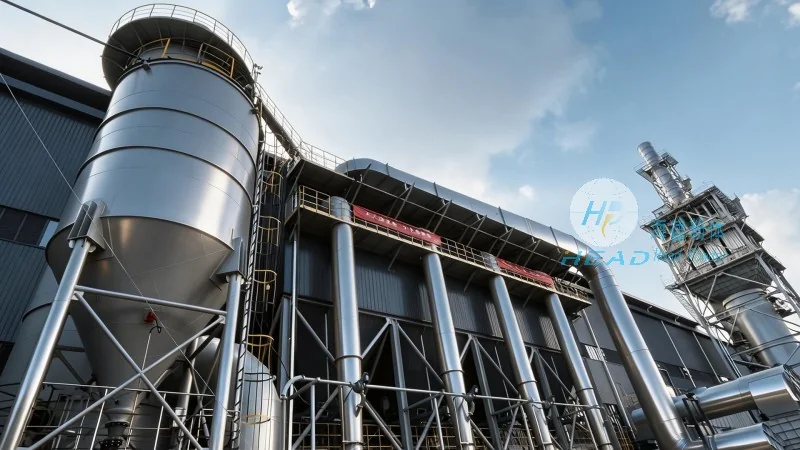
Company Overview: Shandong HeadPowder Engineering Co., Ltd.
HeadPowder, a leading name in powder engineering solutions, is headquartered in Shandong, China. The company specializes in developing advanced material handling technologies tailored to the unique needs of industrial applications. With a strong commitment to innovation and customer satisfaction, HeadPowder offers customized pneumatic conveying systems that ensure optimal performance and reliability for artificial graphite processing.
Understanding Pneumatic Conveying Systems
Pneumatic conveying systems operate by utilizing air or gas to transport solid materials like artificial graphite through a pipeline network. The core principle involves creating a pressure differential that propels the material from the source to the destination. This method is particularly effective for materials that are fine, abrasive, or sensitive to contamination, making it ideal for artificial graphite, which is commonly used in high-tech industries.
Key Components of a Pneumatic Conveying System
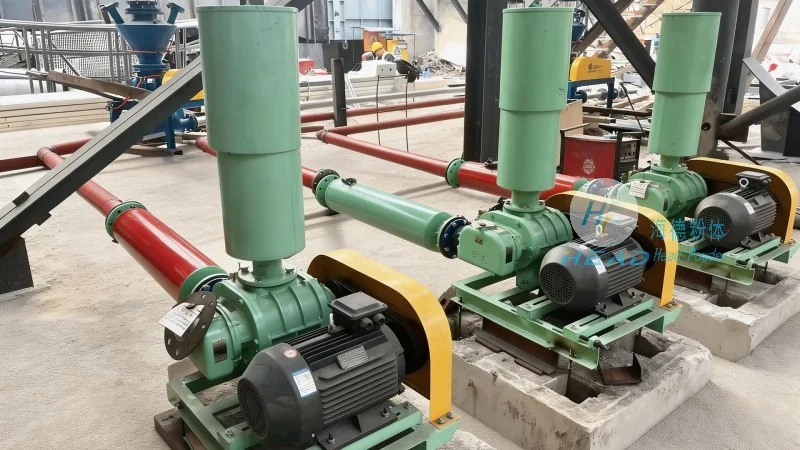
A pneumatic conveying system for artificial graphite consists of several critical components that work in harmony to ensure efficient material transport. These include the material feed hopper, which stores the graphite and controls its discharge; the air compressor or blower, which generates the necessary pressure to move the material; the conveying line, typically constructed from durable materials to withstand the abrasive nature of graphite; and the receiving hopper or silo, where the material is deposited. Additional components such as rotary valves, filters, and vacuum pumps may be integrated to enhance system performance and maintain material purity.
The Operation Process: Step-by-Step
The operation of a pneumatic conveying system for artificial graphite begins with the material being fed into the hopper from a storage silo or batch container. A rotary valve then regulates the flow of graphite into the conveying line, preventing backflow and ensuring a consistent feed rate. Simultaneously, the air compressor produces high-pressure air, which is introduced into the conveying line. The air and graphite mixture travels through the pipeline, with the air pressure creating a drag force that moves the material forward. The conveying line may include bends, elbows, and other fittings designed to minimize pressure loss and maintain smooth flow.
Upon reaching the destination, the material is discharged into the receiving hopper. The air continues through the system, often passing through a filter to remove fine particles before being exhausted or recycled. This cycle repeats as needed, allowing for continuous or batch operation based on the application requirements. The entire process is automated and can be controlled remotely, ensuring precision and efficiency.
Working Principle: How It Works
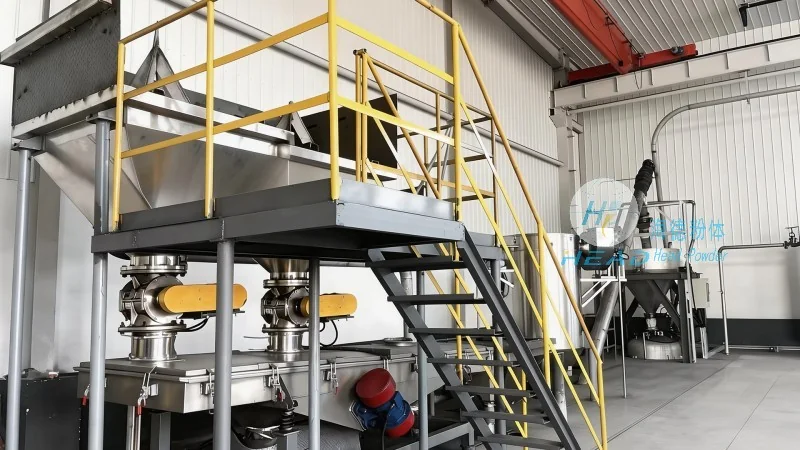
The working principle of pneumatic conveying for artificial graphite is based on the interaction between solid particles and the air stream. In a pressure system, the air is forced into the conveying line, creating a positive pressure that pushes the material. The air velocity must be sufficient to overcome gravitational and frictional forces, ensuring the graphite particles remain suspended and transported effectively. In a vacuum system, the air is drawn from the receiving end, creating a negative pressure that pulls the material through the line. This method is suitable for longer distances or when the material needs to be transported from a lower to a higher elevation.
Advantages of Pneumatic Conveying for Artificial Graphite
Pneumatic conveying offers several advantages when handling artificial graphite. Firstly, it provides a closed system, preventing dust contamination and environmental pollution. This is crucial for graphite, which can be fine and easily airborne. Secondly, the process is highly efficient, transporting large quantities over long distances with minimal energy consumption compared to alternative methods like belt conveyors or trucks. Thirdly, the system is flexible, allowing for multiple inlets and outlets to route the material to different destinations as needed. Additionally, it reduces the risk of material degradation or contamination, essential for applications where graphite quality is critical, such as in battery manufacturing or refractory production.
Applications in Industrial Settings
The applications of pneumatic conveying for artificial graphite are diverse and widespread. In battery manufacturing, artificial graphite is used as an anode material, and the conveying system transports the powder from storage to the production line. In refractory production, the material is used to make high-temperature bricks, with the system ensuring delivery to mixing and molding processes without loss or contamination. Other industries, including chemical processing and aerospace, also benefit from this technology, using it to handle graphite as a catalyst or additive and in composite materials, respectively. The versatility of pneumatic conveying makes it an ideal solution for these applications, accommodating different particle sizes and flow rates while maintaining efficiency and reliability.