

Operation Process and Working Principle of Cobalt Hydroxide Pneumatic Conveying
Understanding the operation process and working principle of cobalt hydroxide pneumatic conveying is crucial for optimizing material handling in industrial settings. This article provides a detailed overview of the key components, operational steps, and technical aspects involved in this efficient material transport method.
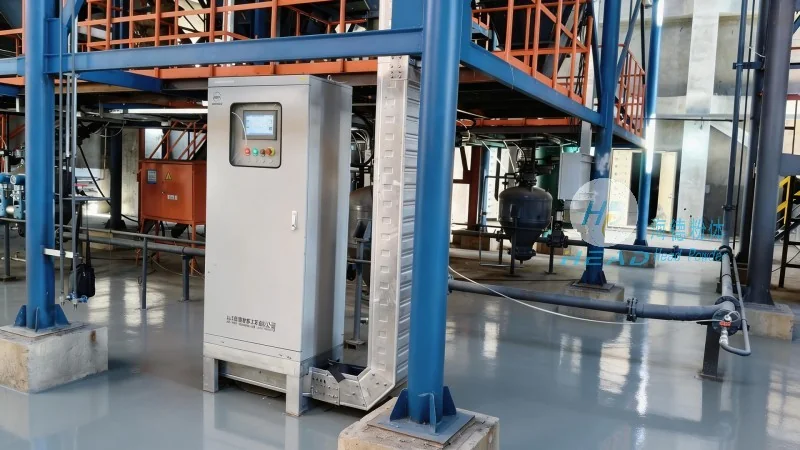
Introduction to Cobalt Hydroxide Pneumatic Conveying
Cobalt hydroxide, a compound with the chemical formula Co(OH)₂, is widely used in various industrial applications, including battery manufacturing, catalyst production, and chemical synthesis. Pneumatic conveying, a technology that uses air or gas to transport bulk materials, offers a non-contact, low-maintenance solution for moving cobalt hydroxide powder. This method is particularly advantageous for handling fine powders like cobalt hydroxide, which are prone to caking and dust issues when transported via traditional methods.
Key Components of the Pneumatic Conveying System
The pneumatic conveying system for cobalt hydroxide typically consists of several critical components that work in tandem to ensure efficient material transport. These components include the material hopper, feed mechanism, air compressor or blower, conveying line, and receiving hopper. Each component plays a vital role in the overall operation, and their proper integration is essential for optimal performance.
Material Hopper and Feed Mechanism
The material hopper is the initial storage container where cobalt hydroxide powder is held before being fed into the conveying system. It is designed to maintain a consistent material level and prevent clogging. The feed mechanism, often a rotary valve or a screw feeder, regulates the flow of cobalt hydroxide from the hopper into the conveying line. This controlled feeding ensures a steady and uniform material supply, which is crucial for maintaining the system's efficiency and preventing blockages.
Air Compressor or Blower System
The air compressor or blower is the heart of the pneumatic conveying system, responsible for generating the necessary air pressure to move the cobalt hydroxide particles through the conveying line. The choice between a positive displacement blower and a centrifugal blower depends on the system's requirements, such as the material's particle size, density, and the desired conveying distance. For cobalt hydroxide, which is a fine powder, a positive displacement blower is often preferred due to its ability to handle low-pressure, high-volume air flow, ensuring effective particle suspension and transport.
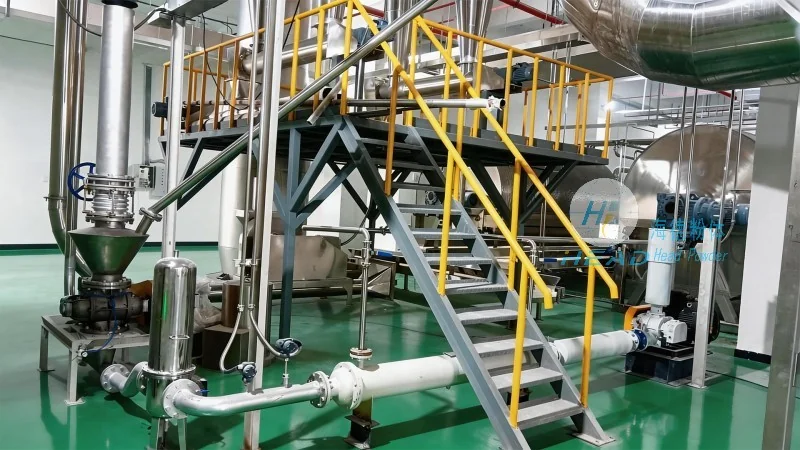
Conveying Line and Airflow Management
The conveying line, usually made of stainless steel or other corrosion-resistant materials, is where the cobalt hydroxide particles are transported. The line is designed to minimize friction and pressure loss, ensuring that the material reaches the receiving hopper without degradation. Airflow management is critical in this stage; the velocity of the air must be sufficient to keep the particles suspended but not so high as to cause excessive wear on the system components or energy waste. Proper design of the conveying line, including the use of bends, elbows, and straight sections, helps maintain consistent airflow and particle suspension.
Receiving Hopper and Material Discharge
The receiving hopper is the final component of the pneumatic conveying system, where the cobalt hydroxide powder is deposited after being transported through the line. It is designed to collect the material efficiently and prevent spillage or contamination. The discharge mechanism, typically a rotary valve or a gate valve, controls the release of the material from the hopper to the next processing stage. This controlled discharge ensures that the material is handled safely and in a controlled manner, maintaining the integrity of the product.
Working Principle of Pneumatic Conveying
The working principle of pneumatic conveying for cobalt hydroxide involves the creation of a low-pressure or high-pressure air stream that lifts and transports the powder particles. When the air is introduced into the conveying line, it creates a negative pressure (in suction systems) or positive pressure (in pressure systems) that draws the cobalt hydroxide particles into the air stream. The particles are then suspended and carried along the line by the air flow. The key to effective conveying is maintaining the particle size and air velocity within optimal ranges to prevent settling or blockages. The system's design, including the air pressure, line diameter, and particle characteristics, must be carefully balanced to achieve efficient transport.
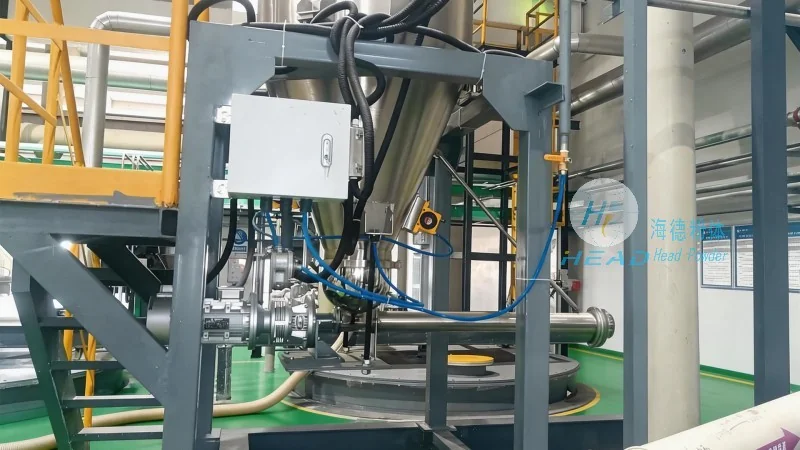
Operational Steps and Process Flow
The operation of the cobalt hydroxide pneumatic conveying system follows a systematic process flow. First, the material is loaded into the hopper. Then, the feed mechanism starts, and the air compressor begins to operate, creating the necessary airflow. The cobalt hydroxide particles are drawn into the conveying line and transported to the receiving hopper. Once the material is fully transferred, the system is shut down, and the receiving hopper is emptied as needed. This process is typically automated, with sensors and controls monitoring the system's performance and ensuring consistent operation.
Advantages of Cobalt Hydroxide Pneumatic Conveying
Pneumatic conveying offers several advantages for handling cobalt hydroxide, making it a preferred method in many industrial applications. These advantages include non-contact material transport, which prevents contamination and product degradation. The system is also relatively low maintenance, as it has fewer moving parts compared to traditional mechanical conveying systems. Additionally, pneumatic conveying allows for flexible system design, enabling the integration of multiple conveying lines and processing stages. The ability to handle fine powders like cobalt hydroxide without caking or agglomeration is another significant benefit, ensuring consistent product quality.
Challenges and Mitigation Strategies
While pneumatic conveying is an efficient method, it also presents some challenges when handling cobalt hydroxide. One of the main challenges is the potential for particle segregation or agglomeration, which can lead to blockages or uneven material flow. To mitigate this, the system is designed with features such as vibration or agitation in the hopper and feed mechanism to break up agglomerates. Another challenge is the wear and corrosion of system components due to the abrasive nature of the fine powder. Using corrosion-resistant materials, such as stainless steel, and regular maintenance can help mitigate these issues. Additionally, ensuring proper airflow and velocity is crucial to prevent settling and maintain system efficiency.
Conclusion
In conclusion, the operation process and working principle of cobalt hydroxide pneumatic conveying involve a well-coordinated system of components and processes designed to efficiently transport fine powders. The key to successful operation lies in understanding the material's characteristics, designing the system appropriately, and maintaining it properly. For industries relying on cobalt hydroxide, pneumatic conveying offers a reliable and efficient solution for material handling, ensuring consistent product quality and operational performance.