

Principles and Application Scenarios of Cocoa Material Pneumatic Conveying
HeadPowder, a leading provider of industrial material handling solutions, specializes in the design and implementation of efficient systems for cocoa material transportation. This article explores the fundamental principles of cocoa material pneumatic conveying and highlights the key characteristics of its application scenarios, offering insights into how these systems enhance operational efficiency in the cocoa processing industry.
Understanding the Core Principles of Cocoa Material Pneumatic Conveying
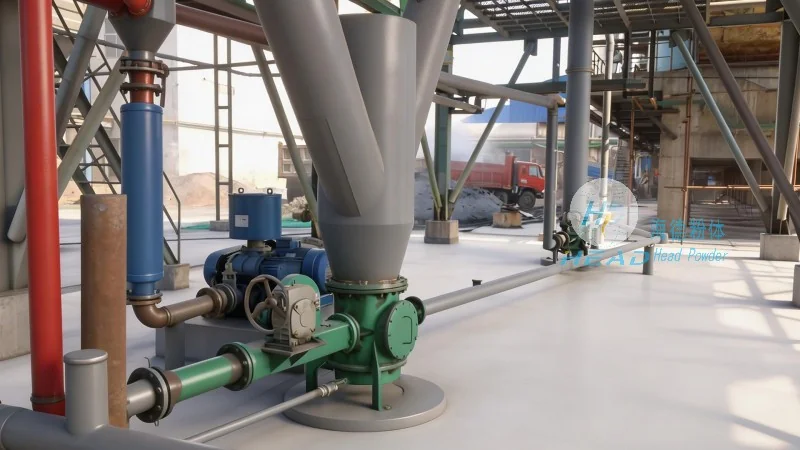
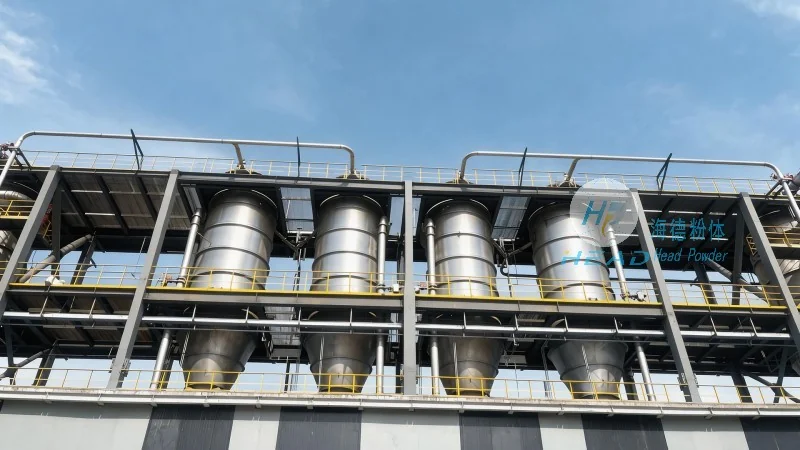
Pneumatic conveying is a method of transporting bulk materials, such as cocoa beans or ground cocoa products, through a pipeline using air or gas as the conveying medium. The process typically involves a combination of pressure or vacuum systems to move materials from one location to another. For cocoa materials, this technology is particularly effective due to the nature of the product—often lightweight, dusty, or requiring gentle handling to preserve quality. The core principles include the use of air flow to create a pressure differential that propels the material through the system, with components like feeders, cyclones, and filters working in tandem to ensure smooth and reliable operation.
Key Components and Their Roles in Cocoa Material Conveying Systems
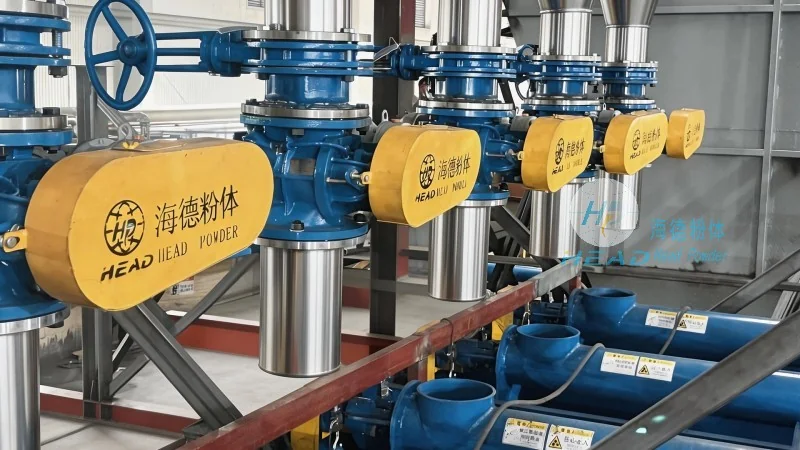
The effectiveness of a cocoa material pneumatic conveying system depends on several critical components. The feeder is responsible for introducing the material into the system, ensuring a consistent flow rate. The conveying line, often made of stainless steel or other corrosion-resistant materials, is designed to handle the specific characteristics of cocoa products, such as moisture content or particle size. Cyclones are used to separate the conveyed material from the air stream, allowing for the collection of the product at the destination. Filters are essential for maintaining air quality and preventing dust accumulation, which is crucial in food processing environments. Additionally, control systems monitor pressure, flow rates, and other parameters to optimize performance and prevent system failures.
Application Scenarios and Operational Advantages
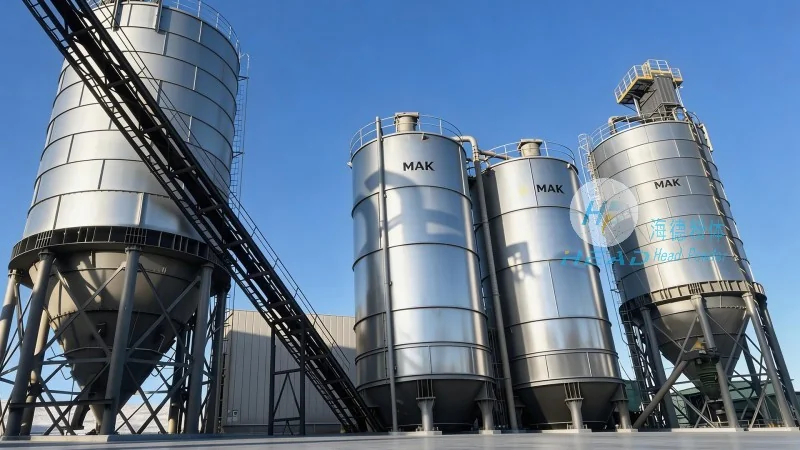
Cocoa material pneumatic conveying systems are widely used in various stages of the cocoa processing industry. In processing plants, these systems efficiently transport raw cocoa beans from storage silos to roasting and grinding equipment, minimizing manual handling and reducing the risk of contamination. In warehouse operations, they facilitate the movement of packaged cocoa products between storage areas and packaging lines, improving inventory management and reducing labor costs. The flexibility of pneumatic conveying also allows for integration with other processing equipment, such as mixers or extruders, enabling seamless production workflows. Furthermore, the system's ability to handle materials in a closed environment helps maintain hygiene standards, which is paramount in food production.