

Principle and Working Scene Characteristics of Pneumatic Conveying for Ceramic Powder Materials
HeadPowder, a leading engineering company based in Shandong, China, specializes in the design and implementation of pneumatic conveying systems tailored for ceramic powder materials. This article delves into the fundamental principles behind pneumatic conveying technology and highlights the key characteristics of its application in various working environments.
Understanding Pneumatic Conveying Principles
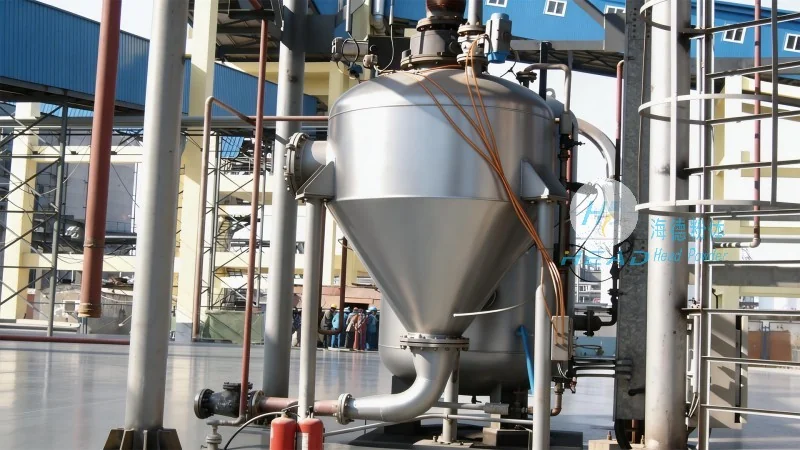
Pneumatic conveying is a method of transporting bulk materials, such as ceramic powders, through a pipeline using a gas stream, typically air or other gases. The core principle involves creating a pressure differential that propels the material from the source to the destination. There are two primary types of pneumatic conveying systems: dilute-phase and dense-phase. Dilute-phase systems operate at relatively low pressure and high velocity, suitable for materials that are non-abrasive and free-flowing. Dense-phase systems, on the other hand, use higher pressure and lower velocity to transport materials more gently, minimizing product degradation and wear on equipment. For ceramic powders, which often have high value and are sensitive to handling, dense-phase systems are frequently preferred to ensure product integrity.
Key Working Scene Characteristics
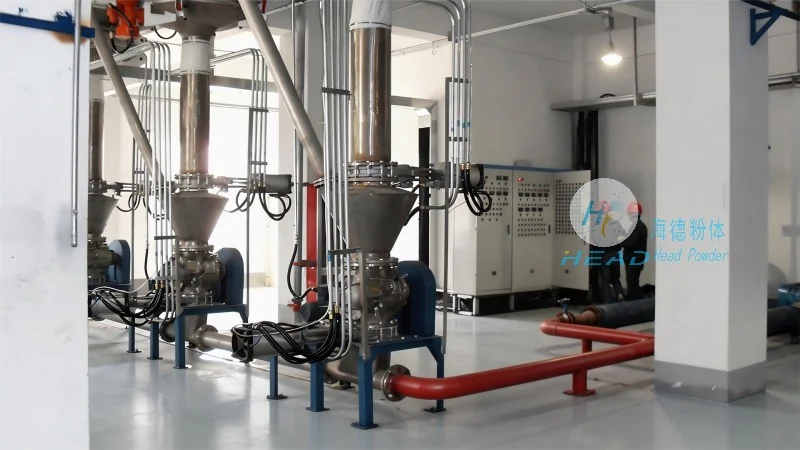
The application of pneumatic conveying for ceramic powders is characterized by several distinct features that set it apart from other material handling methods. Firstly, the system's ability to handle fine, abrasive powders without causing excessive wear on components is crucial. Ceramic powders can be highly abrasive, and the design of the conveying system, including the choice of pipeline materials and internal components, must account for this to ensure long-term operational efficiency. Secondly, the need for dust control and environmental compliance is a significant consideration. Pneumatic conveying systems are equipped with filtration and dust collection mechanisms to prevent airborne particle release, which is essential for maintaining a safe and clean working environment. Thirdly, the system's flexibility in terms of layout and integration with existing production lines is a key advantage. Pneumatic conveying can be adapted to various plant configurations, allowing for seamless integration with other processing equipment, such as mixers, dryers, and packaging machines. This adaptability is particularly valuable in ceramic manufacturing, where production lines often require customized material handling solutions.
Operational Efficiency and Material Integrity
Another critical aspect of pneumatic conveying for ceramic powders is the balance between operational efficiency and product integrity. The system's design must optimize material flow while minimizing the risk of agglomeration or degradation. For instance, the use of appropriate air velocities and pressure levels ensures that the ceramic particles move smoothly through the pipeline without sticking together or breaking down. This is vital for maintaining the quality of the final product, as ceramic powders are often used in applications where particle size and distribution are critical. Additionally, the system's ability to handle varying material loads and flow rates without significant performance degradation enhances overall operational efficiency. HeadPowder's expertise in customizing pneumatic conveying systems ensures that these operational parameters are precisely tailored to the specific requirements of each ceramic powder application, resulting in optimized performance and extended equipment life.
Conclusion
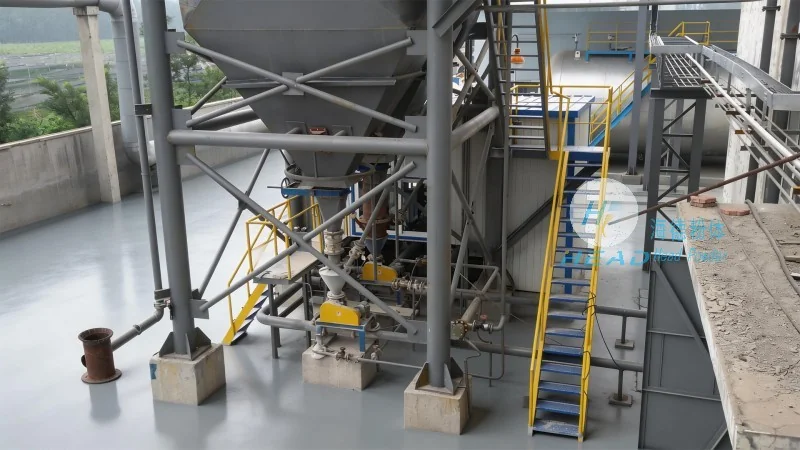
In conclusion, pneumatic conveying represents a highly effective and versatile method for handling ceramic powder materials. The principles of pressure differential and gas flow, combined with the specific characteristics of dense-phase systems, provide a robust solution for transporting these valuable and sensitive materials. The working scene characteristics, including material handling efficiency, dust control, and system flexibility, make pneumatic conveying an ideal choice for ceramic manufacturing facilities. As a leading provider in the field, Shandong HeadPowder Engineering Co., Ltd. leverages its expertise to design and implement customized pneumatic conveying solutions that meet the unique needs of ceramic powder applications, ensuring optimal performance and product integrity.