News
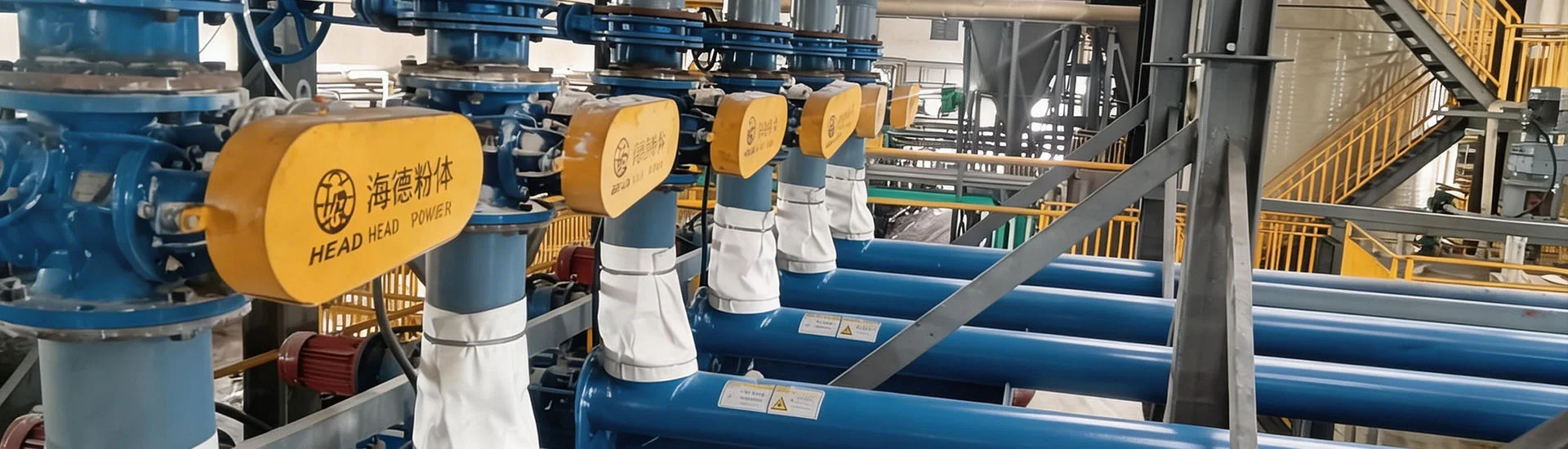
Rich project cases across industries, showing real implementation and proven technical strength.In pharmaceutical manufacturing, the safe and efficient transfer of powders is a critical operation that directly impacts product quality, regulatory compliance, and overall operational cost. Among the various conveying technologies available, pneumatic conveying has emerged as a preferred method for moving bulk pharmaceutical powders due to its enclosed system design, flexibility in routing, and ability to maintain material integrity. This article provides an in-depth examination of pneumatic conveying systems specifically tailored for pharmaceutical powder applications, covering fundamental principles, system configurations, material considerations, and industry best practices. Whether you are designing a new facility or upgrading existing processes, understanding the nuances of pneumatic powder conveying is essential for achieving consistent throughput while meeting stringent Good Manufacturing Practice (GMP) standards.
Pneumatic conveying relies on the flow of air or an inert gas through a pipeline to transport powders from one point to another. Unlike mechanical conveyors such as screws or belts, pneumatic systems offer a completely sealed environment that minimizes the risk of contamination, dust leakage, and cross‑batch mixing — parameters of utmost importance in pharmaceutical settings. The technology has evolved significantly over the past decade, with modern systems capable of handling everything from fine active pharmaceutical ingredients (APIs) to granulated excipients at controlled velocities that prevent degradation or segregation. As the global pharmaceutical industry pushes toward higher production efficiency and stricter quality standards, the demand for advanced pneumatic conveying solutions continues to grow. Market research indicates that the pharmaceutical pneumatic conveying equipment segment is projected to expand at a compound annual growth rate of over 6% through 2026, driven by increased adoption of continuous manufacturing and the need for automated, closed‑loop material handling.
For pharmaceutical manufacturers evaluating conveying options, the choice of system type — dilute phase, dense phase, or vacuum conveying — depends on the physical properties of the powder, the required throughput, and the sensitivity of the material to mechanical or thermal stress. Dilute phase systems, where the powder is suspended in a high‑velocity airstream, are suitable for non‑friable, free‑flowing materials that can tolerate moderate impact. Dense phase conveying, on the other hand, uses low‑velocity, high‑pressure air to push a plug of material through the line, significantly reducing particle breakage and dust generation — making it ideal for fragile or cohesive pharmaceutical powders. Vacuum conveying systems offer the advantage of inherently dust‑free operation at the pickup point and are often used for transferring materials from bulk bags, drums, or process equipment into downstream processing vessels. Headpowder, as a specialized provider of powder handling solutions, designs each system based on a thorough analysis of the powder’s flow characteristics, particle size distribution, moisture content, and bulk density, ensuring that the selected conveying regime aligns with both operational goals and regulatory requirements.
Every pneumatic conveying system consists of several core components that must be carefully selected and integrated to achieve reliable, hygienic performance. The material source equipment — such as bulk bag unloaders, drum dump stations, or silo discharge systems — must be designed to provide a consistent feed rate while preventing bridging or ratholing. The conveying pipeline itself is typically constructed from stainless steel (304 or 316L) with smooth interior finishes and sanitary couplings to eliminate dead zones where material can accumulate. Proper line sizing and routing are critical: bends should have generous radii to reduce wear and particle attrition, and vertical lifts must be evaluated against the available air pressure to avoid plugging. The air mover — whether a positive displacement blower, regenerative blower, or compressed air system — must deliver the required air volume and pressure while being energy‑efficient and quiet. Filtration and dust collection at the receiving end, usually in the form of reverse‑jet filter receivers or cyclones, separate the powder from the conveying air and return clean air to the environment or to a closed‑loop recovery system.
One of the most demanding aspects of pharmaceutical powder conveying is maintaining batch identity and preventing cross‑contamination. In multi‑product facilities, quick‑changeover designs are essential. Headpowder offers modular line switching systems that allow operators to divert material flow between different destinations without manual disassembly, reducing downtime and cleaning validation efforts. Additionally, all contact surfaces must be compatible with cleaning agents and capable of being validated for cleaning‑in‑place (CIP) or wash‑down procedures. The system controls — typically a programmable logic controller (PLC) with a human‑machine interface (HMI) — should provide real‑time monitoring of line pressure, air velocity, material flow rate, and filter condition. Advanced systems can incorporate weigh‑loss metering or mass flow sensors to ensure accurate batch dosing, an increasingly important feature as pharmaceutical manufacturers move toward continuous manufacturing and real‑time release testing.
When selecting a pneumatic conveying system for pharmaceutical powders, several design parameters must be rigorously evaluated. The conveying velocity must be kept above the saltation velocity to prevent settling, yet below the velocity that would cause excessive attrition or electrostatic charging. For cohesive or micronized powders, adding an inert gas such as nitrogen can reduce oxidation risk and also help control electrostatic discharge in potentially explosive atmospheres. The system's pressure drop, which depends on the line length, number of bends, and material properties, must be calculated to ensure that the air mover has sufficient capacity. Headpowder's engineering team uses computational fluid dynamics (CFD) modeling and pilot‑scale testing to validate system performance before installation, thereby minimizing the risk of commissioning delays or operational issues. With over a decade of experience in pharmaceutical powder handling, the company has developed a proprietary database of powder flow properties that accelerates the design process and improves first‑pass accuracy.
Pharmaceutical powders are often expensive, sensitive, and difficult to handle. One of the most frequent challenges in pneumatic conveying is particle degradation, particularly in dilute‑phase systems where high‑velocity impacts can break fragile crystals or granules. Degraded particles not only reduce yield but can also alter the dissolution profile and bioavailability of the final drug product. Dense‑phase conveying, with its gentle low‑velocity plug flow, is the preferred solution for friable materials. Headpowder's dense‑phase systems incorporate specialized air injection nozzles that create stable slugs without excessive shearing, and the pipeline routing is optimized to minimize the number of directional changes. Another common issue is segregation, which occurs when particles of different sizes or densities separate during transport, leading to inconsistent blend composition downstream. Pneumatic conveying can exacerbate segregation if the conveying velocity is too high or if the system includes long horizontal sections. To mitigate this, headpowder recommends using a combination of dense‑phase conveying for blending or final‑blend stages and ensuring that the system operates at a velocity that maintains homogeneous suspension without promoting classification.
Blockages — whether caused by sticky materials, electrostatic charging, or improper line diameter — remain a leading cause of downtime in powder handling operations. The pharmaceutical industry cannot afford production stoppages that compromise batch integrity or delay product release. Modern pneumatic systems incorporate pressure‑sensing transmitters at multiple points along the line, enabling early detection of rising backpressure that signals an impending blockage. Automated purging sequences can then be triggered to clear the line without operator intervention. For especially troublesome powders, headpowder integrates active flow‑aid devices, such as vibratory feeders or air‑assisted hopper discharge, to maintain consistent material flow into the conveying line. The company also offers system audits that analyze existing operational data to identify root causes of recurrent blockages and propose targeted modifications, such as changing the pipe inner diameter or adding air injection points.
Electrostatic charging is another concern in pharmaceutical powder conveying, particularly for dry, non‑conductive powders moving through insulating pipes. Static buildup can cause material to cling to pipe walls, leading to erratic flow, dust explosions, or operator shocks. Grounding all conductive system components is standard practice, but for non‑conductive pipes — sometimes used for flexibility or visibility — the use of static dissipative materials or the introduction of anti‑static agents in the powder itself may be necessary. Headpowder's designs always include electrostatic risk assessment as part of the project scope, following guidelines from the International Electrotechnical Commission (IEC) and National Fire Protection Association (NFPA). In addition, the company provides nitrogen‑inerting packages for handling solvents or oxygen‑sensitive APIs, ensuring that the conveying atmosphere remains within safe limits.
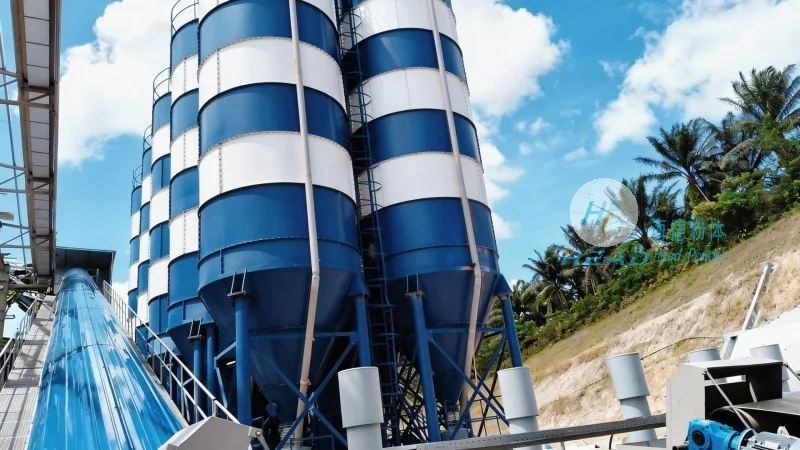
The pharmaceutical industry operates under a strict regulatory framework enforced by agencies such as the U.S. FDA, EMA, and other global health authorities. Any equipment that comes into contact with drug products must be designed and installed in a manner that supports current Good Manufacturing Practice (cGMP) requirements. For pneumatic conveying systems, this means documentation of material of construction certificates, surface finish certifications, welding records, and installation qualification (IQ) / operational qualification (OQ) / performance qualification (PQ) protocols. The system must be easy to clean, inspect, and maintain, with no recesses or crevices that could harbor microbiological growth. Headpowder provides complete validation support packages, including detailed design specifications, factory acceptance test (FAT) reports, and site acceptance test (SAT) documentation, all tailored to the customer’s quality management system.
Additionally, pharmaceutical companies are increasingly adopting Process Analytical Technology (PAT) and quality‑by‑design (QbD) principles, which require in‑line monitoring of critical process parameters. Headpowder's control platforms can interface with PAT sensors — such as near‑infrared (NIR) spectrometers or Raman probes — to provide real‑time data on powder composition, moisture content, or particle size during conveying. This capability not only supports continuous manufacturing but also reduces the need for off‑line laboratory testing, accelerating batch release. For companies dealing with highly potent compounds, the system can be fully enclosed with glove‑box interfaces and rapid‑transfer ports, ensuring operator safety while maintaining material sterility. Headpowder's track record includes successful installations in potent‑compound facilities that meet OSHA permissible exposure limits (PEL) below 1 μg/m³, demonstrating the company's ability to handle the most demanding applications.
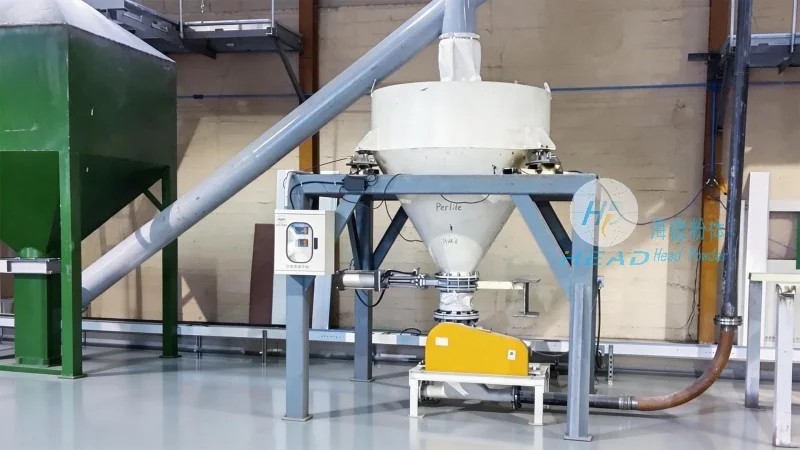
A mid‑sized pharmaceutical company specializing in oral solid dosage forms was experiencing frequent blockages and particle degradation in their existing pneumatic conveying line for a cohesive blend of micronized API and excipients. The system used dilute‑phase conveying, which caused significant fines generation and a 15% rejection rate during tablet compression due to weight variation. After evaluating multiple suppliers, they engaged headpowder to redesign the conveying route and convert the system to dense‑phase operation. Headpowder performed a complete powder characterization study, including shear cell testing and particle friability analysis, to determine the optimal air velocity and plug length. The new system incorporated a custom‑engineered blow‑tank with a low‑profile design and a specially contoured inlet to minimize material compaction. Within three months of installation, the customer reported a 92% reduction in line blockages, a 40% decrease in particle attrition, and a 12% increase in overall equipment effectiveness (OEE). The system also passed all cleaning validation tests with a 50% reduction in cleaning time, thanks to the improved accessibility of the pipework and filter receiver. This case illustrates how a properly engineered pneumatic conveying solution can deliver measurable improvements in both quality and productivity. (咨询热线:156-6277-7102)
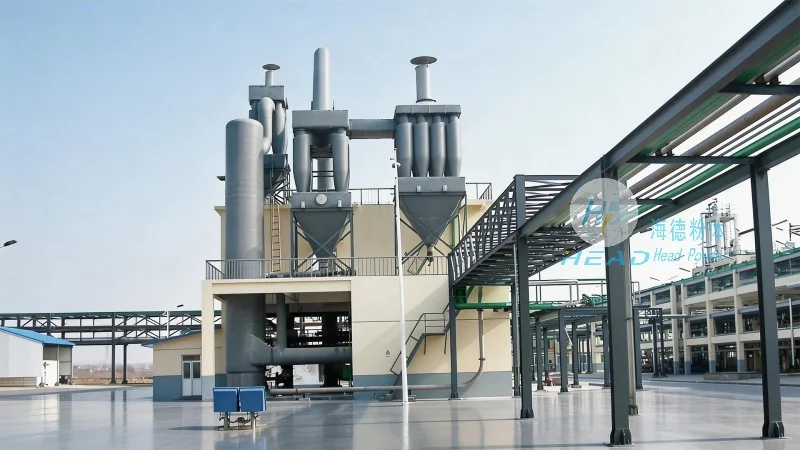
As the pharmaceutical industry continues to embrace Industry 4.0 and digital transformation, pneumatic conveying systems are becoming smarter and more connected. The integration of industrial Internet of Things (IIoT) sensors allows for predictive maintenance, where data on motor vibration, filter pressure drop, and air flow trends are used to schedule maintenance before failures occur. Headpowder is actively developing digital twin capabilities that enable operators to simulate conveying scenarios, optimize set points, and train personnel without interrupting production. Another emerging trend is the use of modular, skid‑mounted systems that can be rapidly deployed and reconfigured for different products, supporting the trend toward flexible manufacturing and personalized medicine. Sustainability is also gaining importance: new system designs focus on reducing energy consumption through variable‑speed drives, efficient air movers, and heat recovery from compressed air systems. The typical power consumption of a pharmaceutical pneumatic conveying system can be reduced by 20–30% with proper optimization, resulting in significant cost savings over the equipment's lifespan.
In terms of regulatory horizon, upcoming revisions to the European Pharmacopoeia and FDA guidance on container‑closure integrity are expected to place additional emphasis on the cleanliness and traceability of powder handling equipment. Headpowder stays ahead of these changes by maintaining active participation in industry working groups and incorporating evolving standards into their design philosophy. For companies planning new greenfield projects or major upgrades, early consultation with a specialized powder handling expert can prevent costly rework and ensure that the conveying system supports both current production targets and future scalability. The company's team of engineers and application specialists brings combined experience spanning hundreds of pharmaceutical installations worldwide, offering a level of insight that enables clients to make informed decisions with confidence.
In conclusion, pneumatic conveying remains a cornerstone technology for pharmaceutical powder transport, offering unmatched flexibility, cleanliness, and automation potential. However, its successful implementation requires a deep understanding of powder behavior, system dynamics, and regulatory expectations. By partnering with a dedicated solutions provider like headpowder, pharmaceutical manufacturers can achieve reliable, efficient, and compliant powder handling that directly contributes to product quality and business success. Whether you are handling high‑potency APIs, fragile granules, or sticky blends, a customized pneumatic conveying system designed with the right principles can transform your material handling operations. (咨询热线:156-6277-7102)

 Shandong headpowder Engineering Co., Ltd.
 156-6277-7102(Manager Zhang)
  0531-83386006
  Jinan City, Shandong Province, China
服务热线
微信咨询
回到顶部