

Working Principle and Features of Calcium Carbonate Powder Conveying Systems
Calcium carbonate powder conveying systems are essential in industrial applications where the efficient and reliable transport of fine powders is critical. These systems are designed to handle materials like calcium carbonate, which are commonly used in various industries such as plastics, paper, and construction. Understanding the working principle and key features of such systems is crucial for optimizing production processes and ensuring product quality.
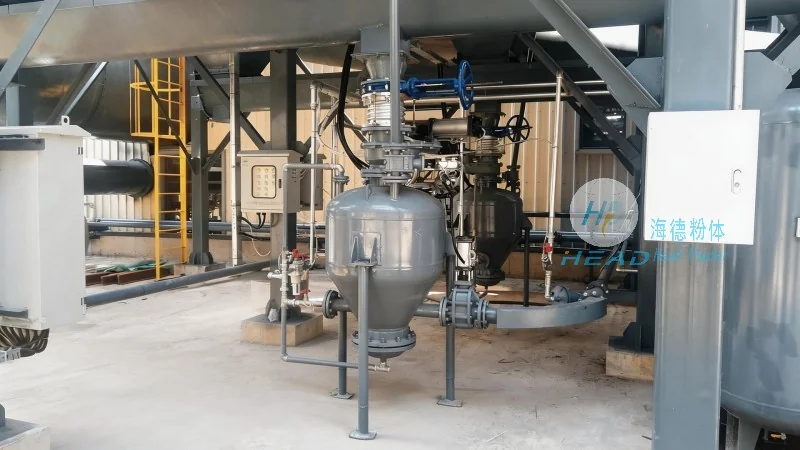
Overview of Calcium Carbonate Powder Conveying Systems
Calcium carbonate powder conveying systems are engineered to move bulk materials from one location to another within a manufacturing facility. The primary goal is to achieve a smooth, continuous flow of powder while minimizing material loss, clogging, and operational disruptions. These systems are typically integrated into larger production lines, where calcium carbonate is used as a filler or additive in the final product.
The Working Principle of Calcium Carbonate Powder Conveying Systems
The core working principle of calcium carbonate powder conveying systems involves the use of specialized equipment to transport the fine powder through a network of pipes or ducts. The process generally starts with the material being fed into a hopper or storage bin. From there, the powder is drawn into a conveyor system, which may include components like rotary valves, screw conveyors, or pneumatic systems. The choice of conveying method depends on factors such as the particle size, moisture content, and the desired flow rate.
For example, pneumatic conveying systems use compressed air to move the powder through a pipeline. This method is particularly effective for handling fine powders that are prone to dusting or clogging. The air pressure creates a flow that carries the powder along the pipeline, ensuring that the material is transported without the need for mechanical contact. In contrast, mechanical conveying systems like screw conveyors rely on rotating screws to push the powder forward. These systems are often used for bulkier materials or in applications where the powder has a higher moisture content.
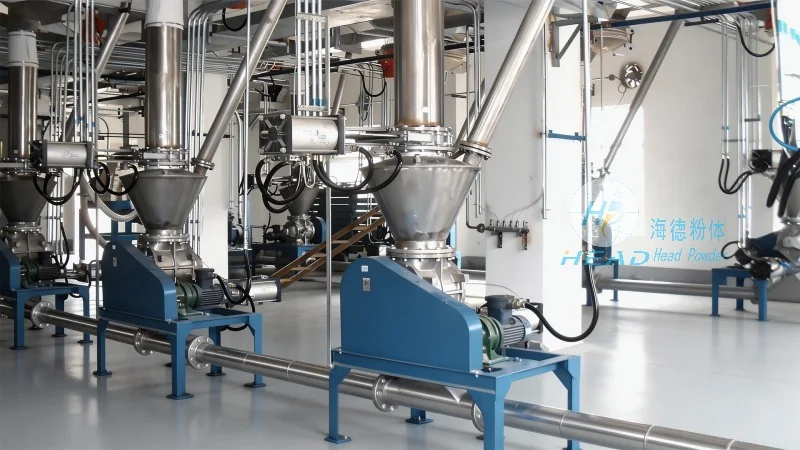
Key Features of Calcium Carbonate Powder Conveying Systems
Several key features distinguish effective calcium carbonate powder conveying systems. One of the most important is the ability to maintain a consistent flow rate, which is critical for maintaining production efficiency. The systems are designed to handle varying material loads without experiencing significant fluctuations in performance. This consistency is achieved through the use of adjustable feed mechanisms and pressure control systems.
Another critical feature is the system's ability to prevent material degradation or contamination. Calcium carbonate powders are often sensitive to moisture and can clump together, which can lead to blockages in the conveying system. Advanced systems incorporate features like drying units or anti-static coatings to prevent clumping and ensure that the powder remains in a free-flowing state. Additionally, the systems are equipped with filtration and cleaning mechanisms to maintain air quality and prevent dust accumulation in the facility.
Efficiency and energy consumption are also key considerations in the design of these systems. Modern calcium carbonate powder conveying systems are engineered to minimize energy usage while maximizing throughput. This is achieved through the use of variable speed drives, which adjust the conveyor speed based on the material flow rate. By optimizing the speed, the system reduces energy waste and lowers operational costs. Furthermore, the systems are designed with durable components that can withstand the abrasive nature of calcium carbonate particles, reducing maintenance requirements and extending the lifespan of the equipment.
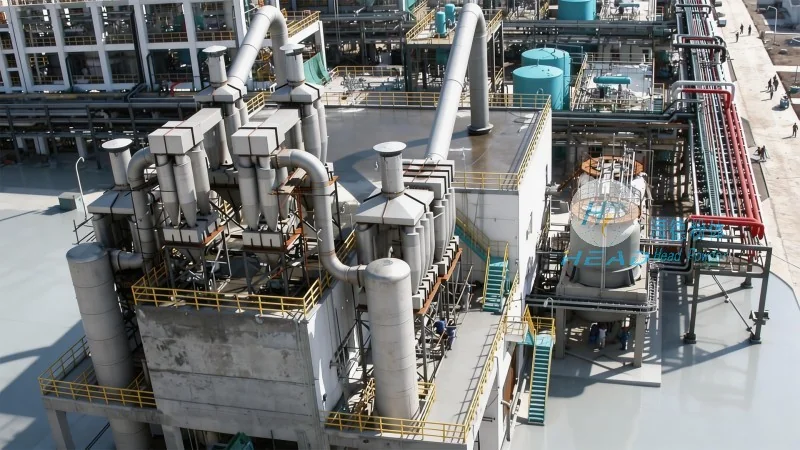
Applications and Industry Impact
Calcium carbonate powder conveying systems play a vital role in various industries that rely on calcium carbonate as a raw material. In the plastics industry, for example, calcium carbonate is used as a filler to improve the strength and reduce the cost of plastic products. The efficient conveyance of this powder ensures that the plastic manufacturing process runs smoothly, with consistent material quality. Similarly, in the paper industry, calcium carbonate is used as a coating agent to enhance the whiteness and smoothness of paper. The reliable transport of the powder is essential for maintaining the quality of the final paper product.
In the construction industry, calcium carbonate is used as a filler in cement and concrete, improving the material's strength and durability. The ability to convey this powder efficiently allows construction companies to meet project deadlines while maintaining high standards of quality. Overall, the features and working principles of calcium carbonate powder conveying systems directly impact the productivity and profitability of these industries.
Conclusion
In conclusion, calcium carbonate powder conveying systems are sophisticated pieces of equipment that are designed to handle the unique challenges of transporting fine powders. The working principle, which may involve pneumatic or mechanical methods, is tailored to the specific properties of calcium carbonate. Key features such as consistent flow, material protection, energy efficiency, and durability make these systems essential for industrial applications. By understanding these aspects, manufacturers can optimize their production processes and ensure the quality of their final products. The systems developed by companies like Shandong HeadPowder Engineering Co., Ltd. in China represent the state-of-the-art in powder conveying technology, providing reliable solutions for industries worldwide.