

Working Principle and Features of Magnesium Sulfate Powder Conveying System
When it comes to handling and transporting magnesium sulfate powder, efficient and reliable conveying systems are essential for industrial applications. This article explores the working principle and key features of a magnesium sulfate powder conveying system, highlighting how such systems enhance operational efficiency and safety in powder handling processes.
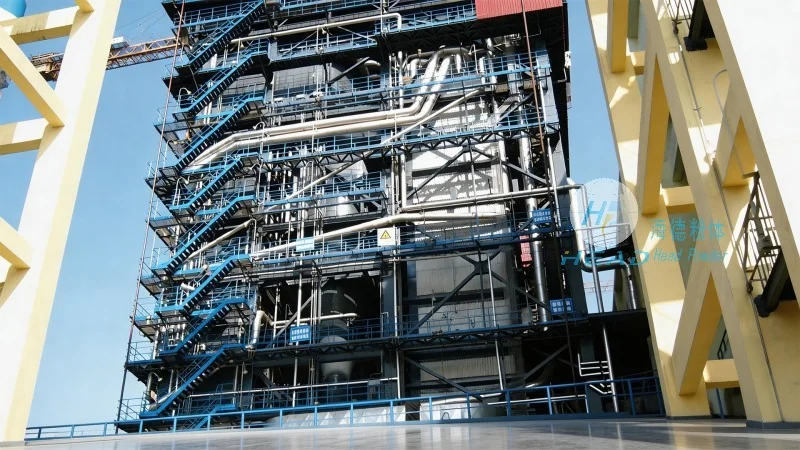
Understanding the Working Principle of the Magnesium Sulfate Powder Conveying System
The magnesium sulfate powder conveying system operates on a principle of mechanical transport, utilizing various components to move the powder from a source to a destination. At the core of the system is a conveyor mechanism, which can be either pneumatic or mechanical, depending on the specific requirements of the application. The system typically includes a hopper or feeder that stores the magnesium sulfate powder, ensuring a consistent feed rate. As the powder is discharged from the hopper, it is drawn into the conveyor system through a series of pipes or ducts. In a pneumatic system, compressed air is used to create a flow that carries the powder particles, while in a mechanical system, rotating screws or belts move the powder along the path. The system is designed to maintain a stable flow rate, preventing clogging and ensuring that the powder moves smoothly through the entire conveying process. This mechanism not only ensures efficient transport but also minimizes the risk of dust generation and material loss, which are critical considerations in powder handling operations.

Key Features of the Magnesium Sulfate Powder Conveying System
Several key features distinguish the magnesium sulfate powder conveying system, making it suitable for various industrial environments. One of the primary features is its ability to handle abrasive and corrosive materials, which is particularly important for magnesium sulfate due to its chemical properties. The system is constructed with materials that resist wear and corrosion, such as stainless steel or specialized coatings, ensuring long-term durability and performance. Another significant feature is the system's flexibility in terms of layout and integration. It can be customized to fit different plant layouts, allowing for seamless integration with existing equipment and processes. The conveying system also offers adjustable flow rates, enabling operators to control the amount of powder being transported based on production needs. This adaptability is crucial for maintaining optimal production levels and reducing waste. Additionally, the system incorporates safety features, such as dust suppression and explosion-proof designs, to protect personnel and equipment from potential hazards. These features make the system not only efficient but also safe for industrial use.
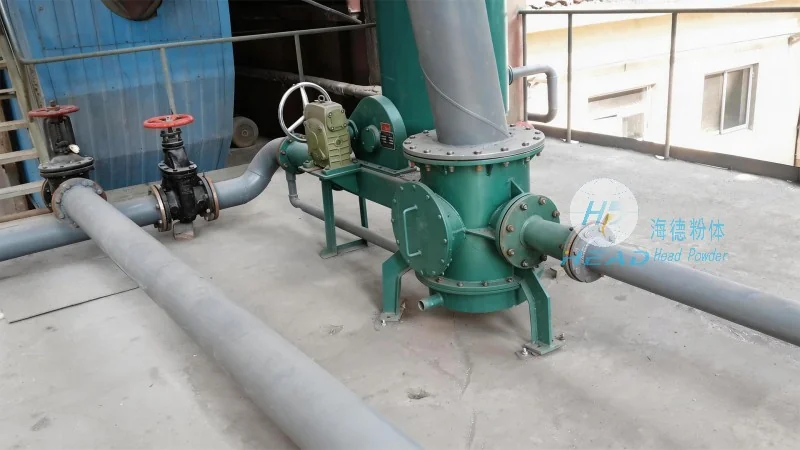
Applications and Benefits in Industrial Settings
The magnesium sulfate powder conveying system finds applications in various industries, including chemical manufacturing, food processing, and pharmaceuticals. In chemical manufacturing, it is used to transport raw materials and finished products, ensuring a continuous supply chain. In food processing, the system helps maintain hygiene and safety standards by preventing contamination and dust exposure. The benefits of using such a system extend beyond efficiency; it also reduces labor costs by automating the powder handling process and minimizes material loss, which can significantly impact overall production costs. Furthermore, the system's reliability reduces downtime, as it is designed to operate continuously without frequent maintenance interruptions. This reliability is essential for maintaining production schedules and meeting customer demands. The system also contributes to environmental sustainability by reducing the need for manual handling, which can lead to dust emissions and other environmental concerns.
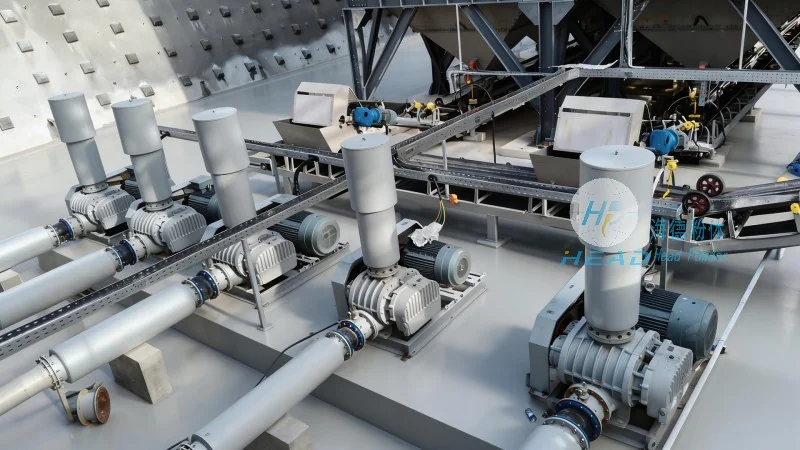
Customization and Maintenance Considerations
Given the diverse needs of different industrial applications, the magnesium sulfate powder conveying system can be customized to meet specific requirements. Customization options may include different conveyor types, material handling capacities, and control systems. For example, a larger system may be required for high-volume production, while a smaller system might be suitable for laboratory or pilot-scale operations. The system's control system allows for remote monitoring and adjustment, enabling operators to manage the conveying process from a central location. Regular maintenance is essential to ensure the system's longevity and performance. This includes inspecting components for wear and tear, cleaning the system to prevent clogging, and performing routine checks on the conveyor mechanism. Proper maintenance not only extends the system's lifespan but also ensures consistent performance and reduces the risk of unexpected breakdowns. By adhering to a regular maintenance schedule, industrial facilities can maximize the efficiency and reliability of their magnesium sulfate powder conveying system.