

Working Principle and Features of Glucose Powder Conveying Systems
Glucose powder conveying systems are critical components in the pharmaceutical, food, and chemical industries, designed to efficiently transport glucose powder from storage to processing or packaging areas. Understanding their working principles and key features is essential for optimizing operational efficiency and ensuring product quality. This article provides a detailed overview of how these systems operate and the advantages they offer.
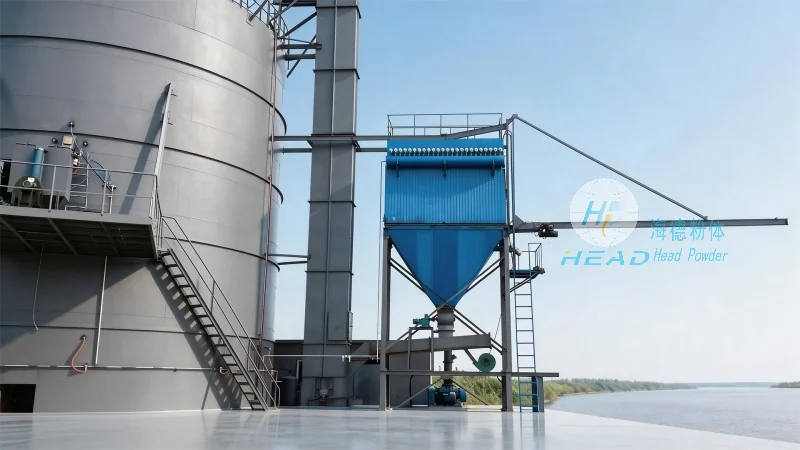
Company Overview: Shandong HeadPowder Engineering Co., Ltd.
HeadPowder, a leading manufacturer based in Shandong, China, specializes in the design, development, and manufacturing of advanced powder handling solutions. With years of industry experience, the company has established itself as a trusted provider of high-quality conveying systems tailored to meet the specific needs of various industries. The company’s commitment to innovation and customer satisfaction has enabled it to deliver reliable and efficient solutions for glucose powder handling, among other applications.
Working Principle of Glucose Powder Conveying Systems
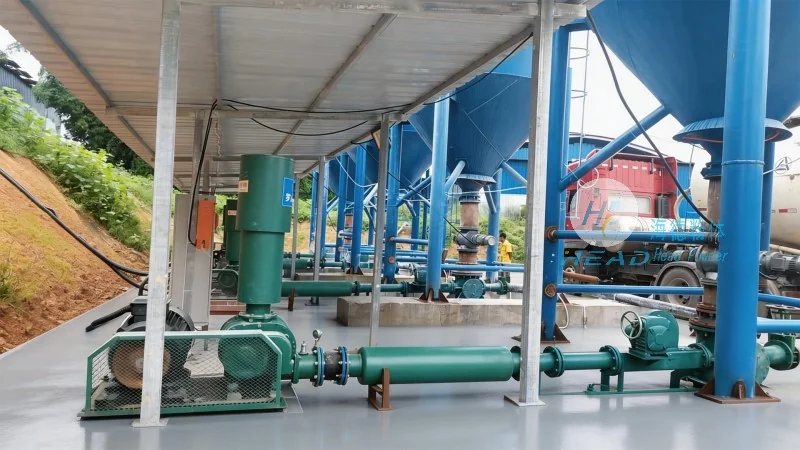
The core of a glucose powder conveying system lies in its ability to transport bulk powder through a network of components, including hoppers, feeders, conveyors, and control systems. The process typically begins with the glucose powder being stored in a hopper, where it is held under controlled conditions to prevent caking or degradation. A feeder, often a rotary valve or a screw feeder, then regulates the flow of powder from the hopper into the conveyor system. The conveyor, which may be a pneumatic or mechanical type, transports the powder to the desired destination, such as a mixer, blender, or packaging machine. Pneumatic conveying systems use compressed air to move the powder through a pipeline, while mechanical systems rely on screws, belts, or buckets to transport the material. The control system monitors and adjusts the flow rate, pressure, and other parameters to ensure smooth and consistent operation. This integrated approach ensures that the glucose powder is handled gently, minimizing particle breakage and maintaining its quality throughout the conveying process.
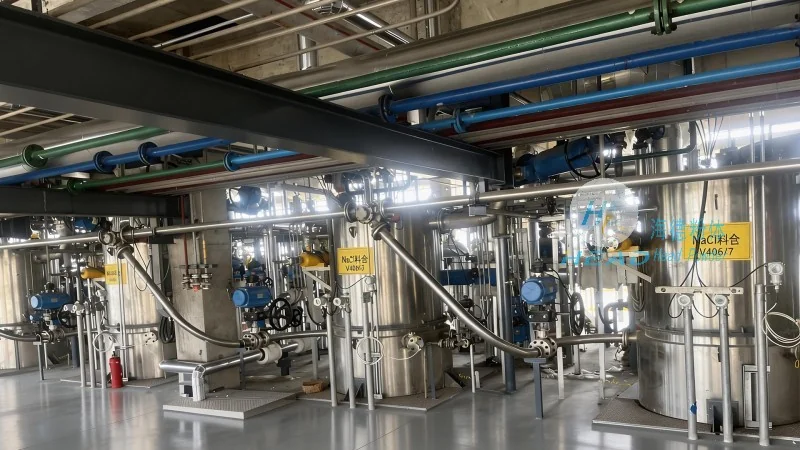
Key Features of Glucose Powder Conveying Systems
Glucose powder conveying systems from HeadPowder are characterized by several key features that enhance their performance and reliability. Firstly, they are designed for gentle handling, which is crucial for maintaining the integrity of glucose powder particles. The use of low-speed feeders and smooth conveying paths reduces the risk of agglomeration and degradation, ensuring that the final product meets quality standards. Secondly, these systems offer high efficiency and throughput, capable of handling large volumes of glucose powder at a consistent rate. This is particularly important in industrial settings where production demands are high and downtime must be minimized. Thirdly, the systems are equipped with advanced control and monitoring capabilities, allowing operators to adjust parameters in real-time and detect any issues promptly. This proactive approach helps prevent system failures and ensures continuous operation. Additionally, the systems are constructed from materials that are compatible with glucose powder, such as stainless steel, to prevent contamination and ensure hygiene compliance. The modular design of these systems also allows for easy integration with existing production lines and future expansion as needed.
Benefits of Using Glucose Powder Conveying Systems
Implementing a glucose powder conveying system offers numerous benefits for businesses in the pharmaceutical, food, and chemical sectors. By automating the powder handling process, companies can reduce labor costs and improve operational efficiency. The consistent flow of glucose powder ensures that production lines run smoothly, minimizing bottlenecks and increasing overall productivity. Furthermore, the gentle handling of the powder helps maintain its quality, which is critical for applications where purity and consistency are paramount. The advanced control systems also enhance safety by preventing overfilling or underfilling, reducing the risk of accidents and product waste. In addition, the modular design of these systems allows for flexibility, enabling companies to adapt to changing production requirements without significant modifications. This adaptability is particularly valuable in industries where product lines may be diversified or production volumes fluctuate. Overall, the use of glucose powder conveying systems from HeadPowder provides a reliable and efficient solution for managing glucose powder, contributing to improved operational performance and product quality.
Conclusion
Glucose powder conveying systems are essential for the efficient and reliable handling of glucose powder in various industries. The working principles and key features of these systems, as explained above, highlight their ability to transport powder gently, efficiently, and with high control. HeadPowder, with its expertise and commitment to quality, offers advanced solutions that meet the specific needs of businesses. By investing in a reliable conveying system, companies can enhance their operational efficiency, maintain product quality, and ensure compliance with industry standards. As the demand for high-quality glucose products continues to grow, the importance of effective powder handling systems cannot be overstated. HeadPowder remains at the forefront of providing innovative and reliable solutions for glucose powder conveying, supporting the success of its clients in the competitive market.