

What is the Pneumatic Conveying of Molybdenum Trioxide Material? Design Principles Explained
Molybdenum trioxide (MoO₃) is a critical industrial material widely used in various applications, including the production of molybdenum compounds, catalysts, and high-performance alloys. When handling MoO₃, efficient and reliable material transport is essential to maintain product quality and operational safety. Pneumatic conveying offers a sophisticated solution for moving this fine powder, and understanding its principles is key to optimizing industrial processes.
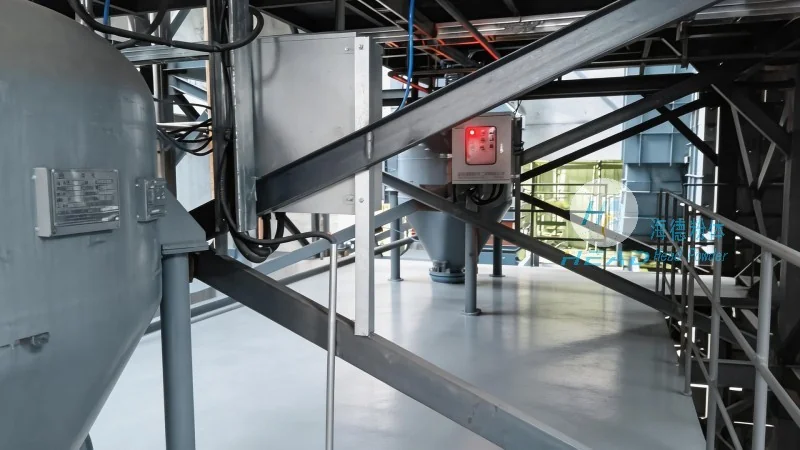
Pneumatic Conveying Basics: How It Works
Pneumatic conveying systems transport bulk materials like molybdenum trioxide by using a stream of air or gas to move particles through a pipeline. There are two primary types: dilute-phase and dense-phase. Dilute-phase systems use high-velocity air to suspend particles, while dense-phase systems use lower velocity and higher pressure to push material forward. For MoO₃, which is a fine powder with potential dust explosion risks, the choice of system depends on the material's properties, required conveying distance, and process requirements.
Design Principles for Molybdenum Trioxide Pneumatic Conveying Systems
The design of a pneumatic conveying system for molybdenum trioxide involves several critical factors to ensure efficiency, safety, and durability. First, material properties are paramount. MoO₃ is a fine, abrasive powder that can cause wear on system components. Therefore, selecting materials with high corrosion and wear resistance, such as stainless steel or specialized alloys, is essential. Second, the system's configuration—whether it's a positive or negative pressure system—must be tailored to the application. Positive pressure systems are common for long-distance conveying, as they can maintain material flow over extended distances, while negative pressure systems are often used for short-distance or local material transfer.
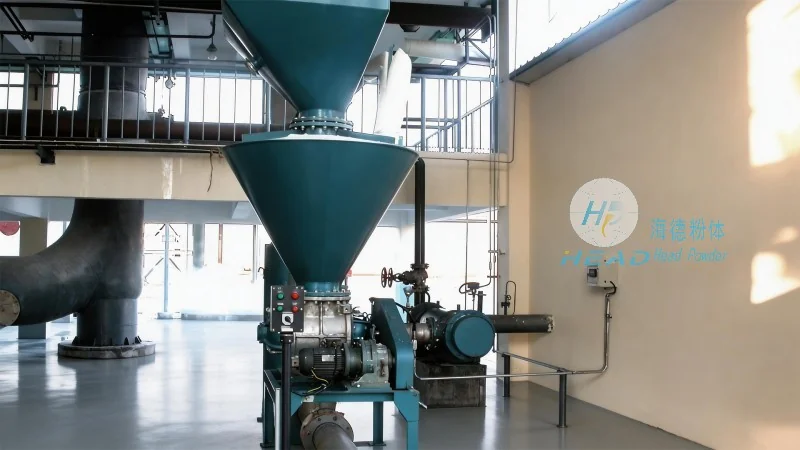
Key Components and Their Roles
A typical pneumatic conveying system for molybdenum trioxide includes several key components. The feed hopper is responsible for storing and feeding the material into the system. It must be designed to prevent material bridging or caking, which can disrupt flow. The conveying line is the pipeline through which the material travels. For MoO₃, the line diameter and length are carefully selected to minimize pressure drop and ensure consistent flow. The air compressor or vacuum pump provides the necessary pressure or vacuum to move the material. For abrasive materials like MoO₃, the compressor or pump must be equipped with wear-resistant parts to extend its lifespan. Finally, the discharge hopper collects the material at the end of the conveying line, ensuring a controlled and clean discharge.
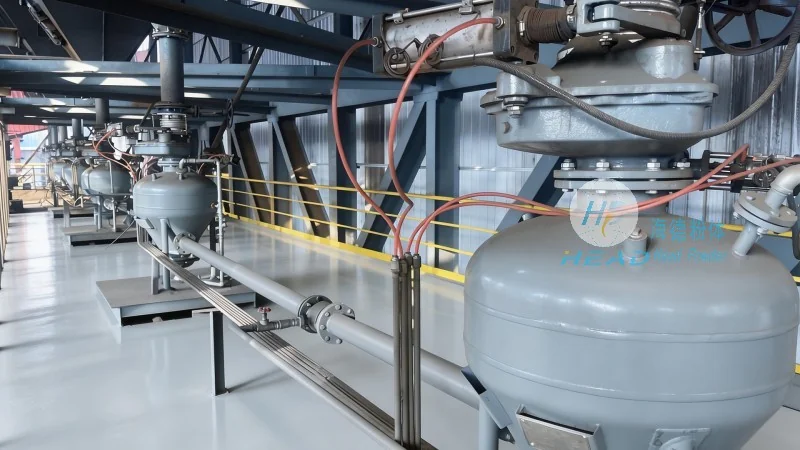
Considerations for Safety and Maintenance
Handling molybdenum trioxide requires strict adherence to safety protocols due to its potential to cause respiratory issues and dust explosions. Pneumatic conveying systems must incorporate explosion-proof designs, such as spark-proof motors and flame arrestors, to mitigate these risks. Regular maintenance is also critical to prevent system failures. This includes inspecting components for wear, cleaning filters to prevent clogging, and monitoring pressure and flow rates to detect any abnormalities. Proper maintenance not only extends the system's lifespan but also ensures consistent performance and product quality.
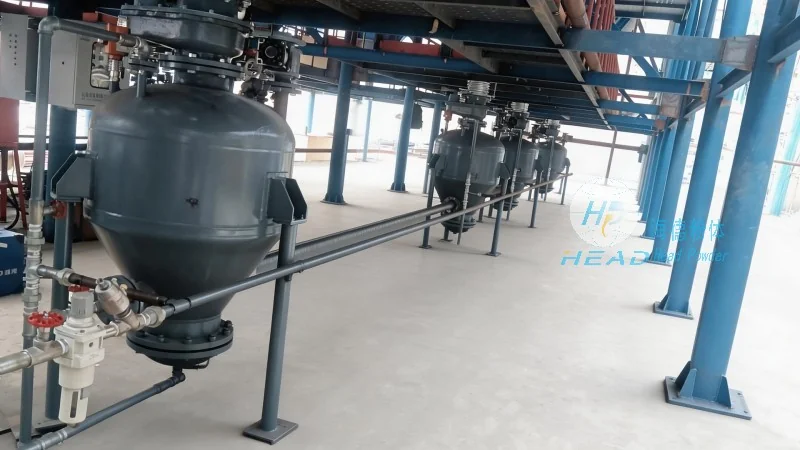
Applications and Benefits of Molybdenum Trioxide Pneumatic Conveying
Molybdenum trioxide is used in a wide range of industries, including chemical manufacturing, metallurgy, and electronics. Pneumatic conveying enables seamless integration of MoO₃ into these processes, improving productivity and reducing labor costs. The benefits of using a pneumatic conveying system for MoO₃ include: reduced material handling time, minimized product contamination, and improved workplace safety. Additionally, the system's flexibility allows for easy integration with existing production lines, making it a cost-effective solution for many industrial applications.
Conclusion: Optimizing Molybdenum Trioxide Handling with Pneumatic Conveying
Efficient handling of molybdenum trioxide is crucial for maintaining the quality and safety of industrial processes. Pneumatic conveying, with its well-defined design principles and robust components, offers a reliable solution for transporting this fine powder. By considering material properties, system configuration, and safety measures, manufacturers can optimize their pneumatic conveying systems to achieve maximum efficiency and productivity. As a leading provider of engineering solutions, Shandong HeadPowder Engineering Co., Ltd. specializes in designing and implementing customized pneumatic conveying systems tailored to the unique needs of molybdenum trioxide applications, ensuring that clients achieve the best possible results in their industrial operations.