

[Pneumatic Conveying of Wet Ammonium Nitrate: Understanding Design Principles]
Wet ammonium nitrate is a critical material in various industrial applications, and its efficient handling often relies on pneumatic conveying systems. This article explores the concept of pneumatic conveying for wet ammonium nitrate and delves into the fundamental design principles that ensure optimal performance and safety.
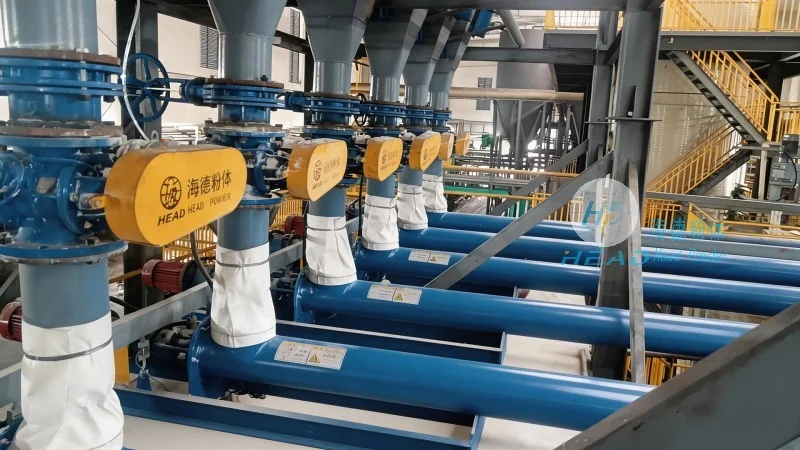
Introduction to Wet Ammonium Nitrate Pneumatic Conveying
Wet ammonium nitrate, a widely used fertilizer and industrial chemical, presents unique challenges during material handling due to its moisture content and potential for dust generation. Pneumatic conveying offers a solution by transporting the material through a pipeline using air or other gas as the conveying medium. This method eliminates the need for mechanical components like belts or buckets, reducing maintenance and operational costs while improving safety by containing the material within a closed system.
Key Design Principles for Wet Ammonium Nitrate Conveying Systems
The design of a pneumatic conveying system for wet ammonium nitrate must consider several critical factors to ensure reliable operation and compliance with safety standards. These principles include:
1. Material Characteristics Analysis: Understanding the physical properties of wet ammonium nitrate, such as its bulk density, moisture content, and particle size distribution, is essential. These characteristics influence the required air velocity, pressure, and system configuration to achieve efficient transport without causing blockages or excessive wear on components.
2. System Configuration Selection: The choice between dilute-phase and dense-phase conveying depends on the application requirements. Dilute-phase systems use higher air velocities to move material in a suspended state, suitable for short-distance transport with low material concentration. Dense-phase systems, on the other hand, operate at lower velocities, maintaining material in a slurry-like state, ideal for longer distances or when handling abrasive or sensitive materials. For wet ammonium nitrate, a combination of both may be employed to optimize performance.
3. Pressure and Flow Management: Proper control of air pressure and flow rate is crucial to prevent system overload and ensure consistent material delivery. Variable frequency drives (VFDs) and pressure sensors are commonly used to adjust air flow dynamically, adapting to changes in material feed rate or pipeline conditions. This ensures stable conveying and minimizes the risk of clogging or pressure spikes.
4. Equipment Selection and Sizing: The selection of components, including the feeder, air compressor, and pipeline diameter, is based on the material's characteristics and system requirements. The feeder must be capable of handling wet ammonium nitrate without clogging, often using screw or rotary designs that can accommodate moisture. The air compressor must provide sufficient pressure and volume to maintain the desired air velocity in the pipeline. Pipeline sizing is critical to balance pressure drop and material flow, with larger diameters reducing friction losses but increasing system cost.
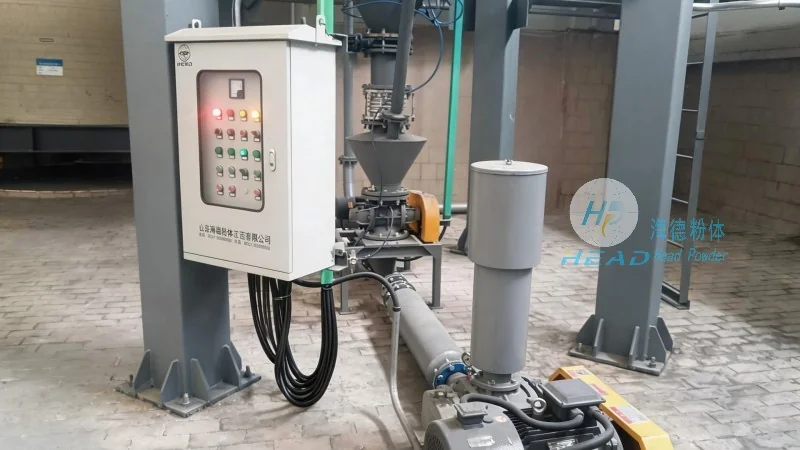
Components of a Wet Ammonium Nitrate Pneumatic Conveying System
A typical pneumatic conveying system for wet ammonium nitrate consists of several key components, each playing a vital role in the overall operation:
1. Feeder: The feeder is responsible for introducing wet ammonium nitrate into the conveying system at a controlled rate. Screw feeders or rotary valves are commonly used, as they can handle moist materials without clogging. The feeder must be designed to maintain a consistent feed rate, which is critical for stable system performance.
2. Air Compressor: The air compressor generates the necessary pressure and volume of air to transport the material. Centrifugal or positive displacement compressors are used, depending on the system's capacity and pressure requirements. The compressor must be capable of delivering air at the required pressure and flow rate to maintain the desired conveying velocity.
3. Pipeline System: The pipeline serves as the conduit for transporting the wet ammonium nitrate and air mixture. Materials such as stainless steel or PVC are used to resist corrosion and abrasion from the material. The pipeline is typically designed with a slight upward slope to prevent material settling and ensure smooth flow. Elbows, bends, and expansion joints are incorporated to accommodate changes in direction and accommodate thermal expansion.
4. Receiver: The receiver is the final destination where the wet ammonium nitrate is discharged. It is designed to collect the material and may include a hopper or silo to store the product. The receiver must be equipped with a discharge valve to control the release of material and prevent backflow or contamination.
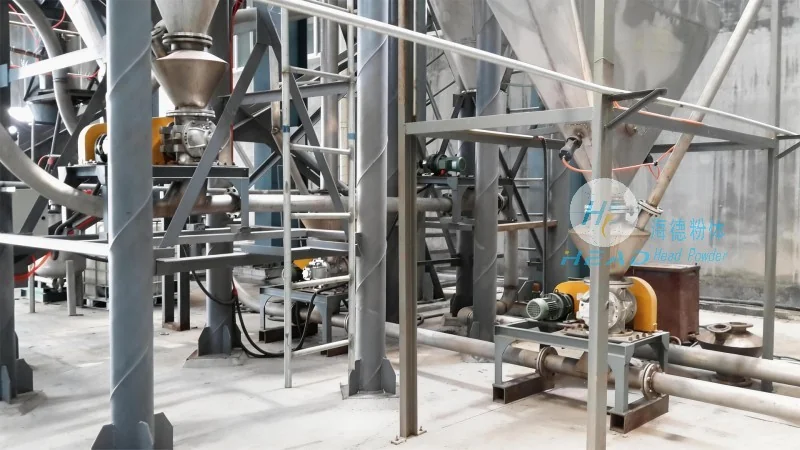
Advantages of Pneumatic Conveying for Wet Ammonium Nitrate
Pneumatic conveying offers several advantages over traditional mechanical handling methods for wet ammonium nitrate:
1. Improved Safety: The closed system design minimizes dust exposure and reduces the risk of fire or explosion, which is particularly important for a material like ammonium nitrate that can be hazardous under certain conditions.
2. Reduced Maintenance: By eliminating moving parts like belts or buckets, the system requires less maintenance, leading to lower operational costs and increased uptime.
3. Efficient Material Handling: Pneumatic conveying allows for the transport of wet ammonium nitrate over long distances with minimal loss and degradation, ensuring consistent product quality.
4. Flexibility: The system can be easily reconfigured or expanded to accommodate changes in production needs or facility layout, providing long-term adaptability.
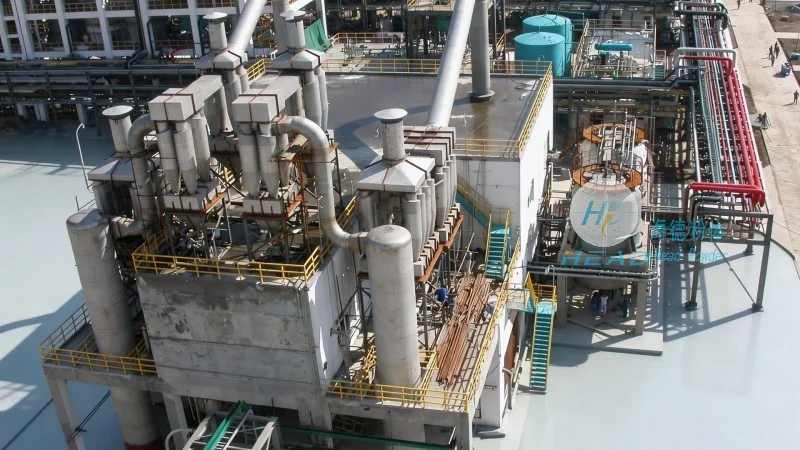
Considerations for Design and Implementation
When designing a pneumatic conveying system for wet ammonium nitrate, several factors must be considered to ensure optimal performance and safety:
1. Corrosion and Abrasion Resistance: Wet ammonium nitrate can be corrosive and abrasive, requiring materials like stainless steel or high-quality coatings for components such as pipelines and valves to prevent degradation over time.
2. Moisture Management: The moisture content of the material can affect system performance, as excess moisture may lead to clogging or reduced conveying efficiency. Proper moisture control and system design are essential to maintain consistent operation.
3. Regulatory Compliance: Compliance with local and international safety regulations is critical, especially for handling ammonium nitrate, which is subject to strict regulations due to its potential hazards. The system must be designed to meet these standards and may require additional safety features such as explosion-proof components or fire suppression systems.
4. System Integration: The pneumatic conveying system must be integrated with other processes, such as storage or processing, to ensure seamless operation. Coordination with other equipment and control systems is necessary to maintain overall plant efficiency.
Conclusion
Pneumatic conveying of wet ammonium nitrate is a sophisticated and effective method for material handling, offering numerous advantages over traditional methods. By understanding the key design principles and components involved, industries can implement reliable systems that enhance safety, reduce costs, and improve overall operational efficiency. As a leading provider in this field, Shandong HeadPowder Engineering Co., Ltd. specializes in designing and manufacturing customized pneumatic conveying solutions tailored to the unique needs of wet ammonium nitrate applications, ensuring optimal performance and compliance with industry standards.