

What is the Pneumatic Conveying of Glass Fiber Powder Material? Exploring Design Principles
When it comes to handling glass fiber powder, the efficiency and reliability of material transport are critical factors in industrial processes. Pneumatic conveying systems offer a solution that minimizes the need for mechanical components while ensuring safe and effective movement of these delicate materials. This article delves into the concept of pneumatic conveying for glass fiber powder and outlines the key design principles that underpin such systems, with insights from Shandong HeadPowder Engineering Co., Ltd., a leading provider of specialized material handling solutions.
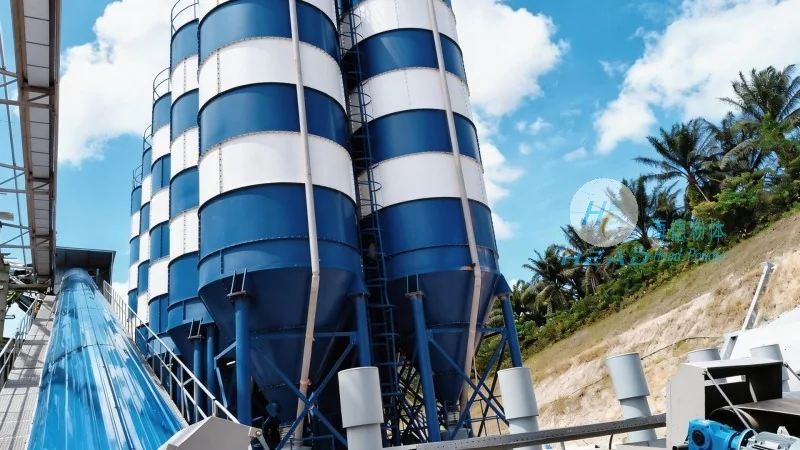
What is Pneumatic Conveying of Glass Fiber Powder?
Pneumatic conveying involves the use of air or gas to transport bulk materials like glass fiber powder through a pipeline. Unlike traditional methods that rely on mechanical components such as belts or buckets, pneumatic systems utilize pressure differentials to move the material. For glass fiber powder, which is often fine and abrasive, this method provides a gentle yet efficient way to handle the material without causing degradation or contamination.
The Role of Glass Fiber Powder in Industrial Applications
Glass fiber powder is widely used in various industries, including composites, insulation, and filtration. Its unique properties, such as high strength and thermal resistance, make it an essential component in many manufacturing processes. However, the handling of this powder requires specialized equipment due to its fine particle size and potential for static charge buildup. Pneumatic conveying addresses these challenges by providing a closed system that prevents dust emissions and maintains material integrity.
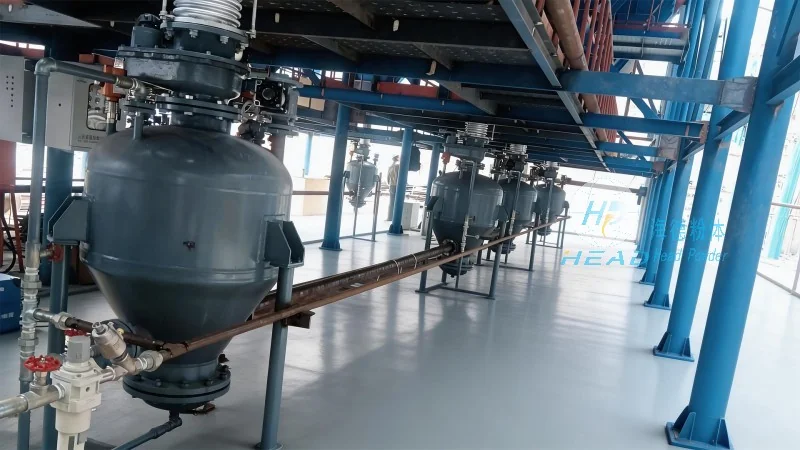
Design Principles for Pneumatic Conveying Systems
The design of a pneumatic conveying system for glass fiber powder involves several critical considerations. First, the system must be capable of handling the specific properties of the material, including particle size distribution, moisture content, and flowability. The choice of air velocity and pressure is crucial to ensure that the powder is transported without clogging or degradation. Additionally, the system must incorporate features to manage static electricity and prevent material buildup in the pipeline.
Key Components of a Glass Fiber Powder Pneumatic Conveying System
Effective pneumatic conveying of glass fiber powder relies on a combination of components working in harmony. These typically include a material feed hopper, a blower or compressor to generate the air flow, a pipeline system with appropriate diameter and material, and a receiver or discharge unit. The feed hopper is designed to control the flow of powder into the system, while the blower provides the necessary pressure to move the material through the pipeline. The pipeline itself must be constructed from materials that are resistant to abrasion and corrosion, as glass fiber powder can be abrasive over time. The receiver is responsible for collecting the material at the end of the conveying line, ensuring a clean and efficient discharge.

Advantages of Pneumatic Conveying for Glass Fiber Powder
Compared to other material handling methods, pneumatic conveying offers several advantages for glass fiber powder. These include reduced labor costs, as the system operates with minimal human intervention, and improved safety, as the material is contained within a closed system. Additionally, pneumatic systems can be designed to handle large volumes of material with high efficiency, making them suitable for high-throughput industrial applications. The gentle handling of the powder also helps to maintain its quality and prevent degradation, which is essential for applications where the material's properties are critical.
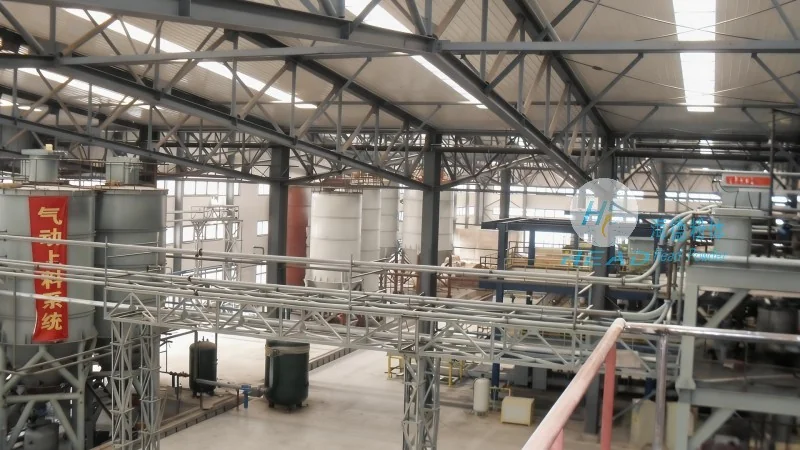
Challenges and Solutions in Glass Fiber Powder Pneumatic Conveying
Despite its benefits, pneumatic conveying of glass fiber powder can present challenges. One common issue is clogging, which can occur due to the fine particle size and potential for agglomeration. To address this, systems may include features such as vibration or agitation to prevent buildup. Another challenge is the management of static electricity, which can cause the powder to stick to the pipeline walls and affect flow. Anti-static additives or grounding systems are often used to mitigate this issue. Additionally, the system must be designed to handle variations in material properties, such as changes in moisture content or particle size, which can impact the conveying efficiency.
Conclusion: The Importance of Proper Design in Glass Fiber Powder Pneumatic Conveying
Designing an effective pneumatic conveying system for glass fiber powder requires a deep understanding of both the material properties and the principles of pneumatic transport. By carefully considering factors such as air velocity, pressure, and system components, engineers can create a system that maximizes efficiency while maintaining the quality of the material. The use of such systems not only improves the overall productivity of industrial processes but also enhances safety and environmental compliance. As the demand for glass fiber powder continues to grow, the importance of reliable and efficient material handling systems becomes increasingly critical.