

What is a High-Pressure Dilute-Phase Pneumatic Conveying System? And What Are Its Design Principles?
High-pressure dilute-phase pneumatic conveying systems represent a sophisticated technology used in material handling, offering efficient and reliable transport of bulk materials through a pneumatic medium. This method is particularly advantageous for industries dealing with fine or powdery substances, where traditional mechanical conveyors may face challenges such as material degradation, blockages, or contamination. The system operates by injecting high-pressure air or gas into a pipeline, creating a flow that suspends and transports the material particles in a dilute phase—meaning the material is dispersed as individual particles rather than forming a dense slurry.
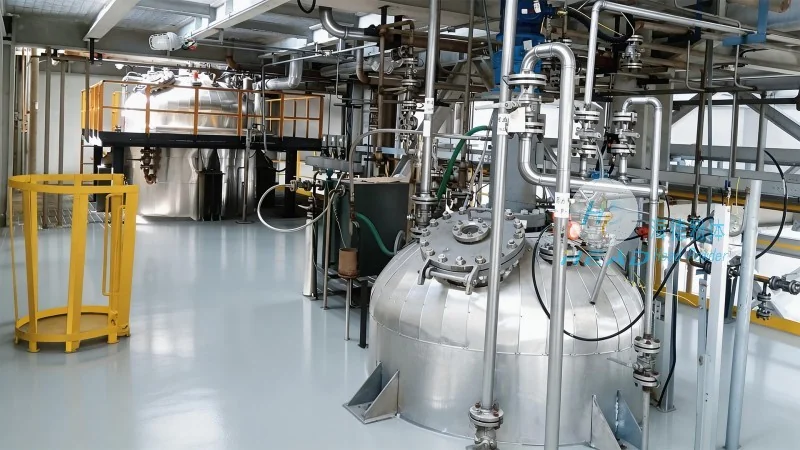
At the core of this technology lies the ability to maintain a consistent air-to-material ratio, which is critical for achieving optimal conveying performance. The design of a high-pressure dilute-phase system involves several key components, including a high-pressure blower or compressor, a material feed hopper with a feeder mechanism (such as a rotary valve or screw feeder), a pipeline network, and a receiver or discharge unit. Each component is engineered to work in harmony to ensure the material is conveyed smoothly and without loss of quality. The high-pressure blower provides the necessary force to overcome frictional losses in the pipeline and lift the material particles, while the feeder controls the flow rate of the material to match the air flow, preventing overloading or underloading of the system.
One of the primary design principles is the maintenance of a stable air velocity within the pipeline. The air velocity must be sufficient to keep the material particles suspended but not so high as to cause excessive wear on the system components or energy waste. Engineers typically calculate the required air velocity based on the material's physical properties, such as particle size, density, and moisture content, as well as the pipeline diameter and length. This calculation ensures that the system operates at an efficient and cost-effective level, minimizing energy consumption while maximizing conveying capacity.
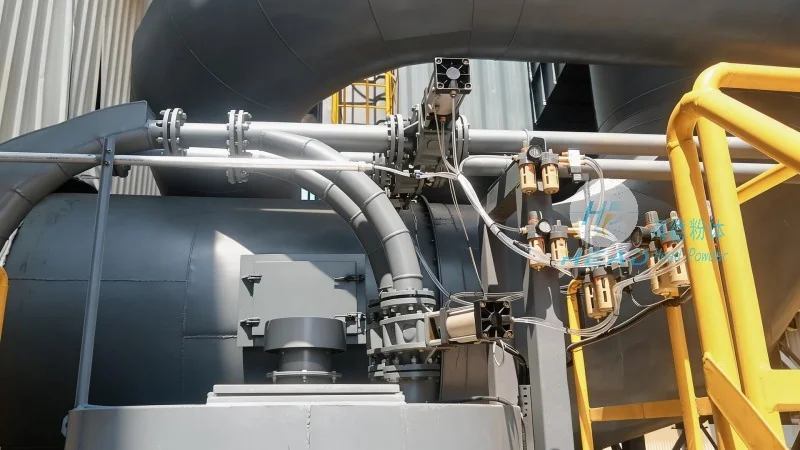
Another crucial design principle is the control of pressure and flow rates. High-pressure systems operate at pressures ranging from 5 to 15 bar (or higher in some specialized applications), which allows for longer conveying distances and higher material throughput compared to low-pressure systems. The pressure control system, often integrated with the blower, adjusts the air flow to maintain a stable pressure, preventing fluctuations that could lead to material deposition or system inefficiencies. Additionally, the system may include pressure relief valves and filters to protect against overpressure and ensure clean air delivery, which is essential for maintaining the quality of the conveyed material, especially for food, pharmaceutical, or chemical products.
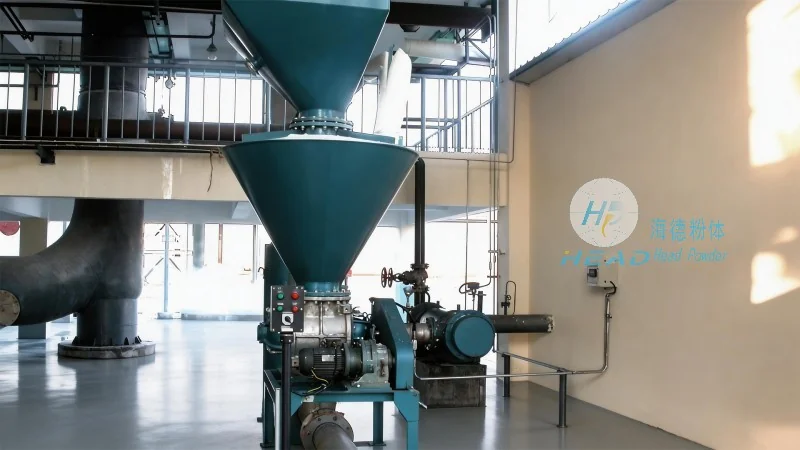
The material feed hopper and feeder are critical components that directly impact the system's performance. The hopper is designed to store the material and provide a consistent feed to the feeder, which meters the material into the pipeline at a controlled rate. The feeder's design, whether it's a rotary valve, screw feeder, or vibratory feeder, must be compatible with the material's characteristics to avoid clogging or material degradation. For example, a rotary valve is commonly used for free-flowing powders, while a screw feeder is suitable for cohesive or sticky materials. The selection of the feeder type is a key design decision that ensures the system can handle a wide range of materials without interruption.
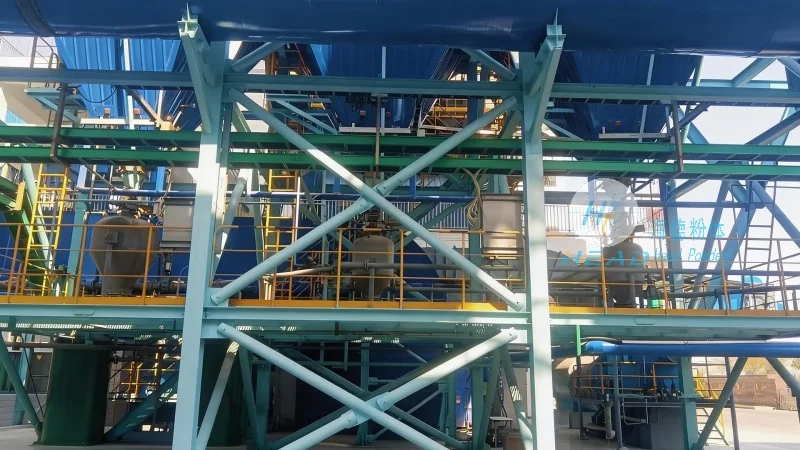
The pipeline network is another critical aspect of the system's design. The pipeline diameter is determined based on the material's particle size and the required air velocity, with larger diameters used for larger particles or higher flow rates. The pipeline is typically made of corrosion-resistant materials, such as stainless steel or PVC, to prevent material buildup and ensure long-term durability. The pipeline layout, including bends and fittings, is designed to minimize pressure losses and maintain the air velocity, with smooth transitions and minimal obstructions to avoid material deposition or system inefficiencies. Engineers also consider the impact of gravity on the material flow, ensuring that the pipeline is sloped correctly to facilitate the return of any material that may have settled in the pipeline.
At HeadPowder, we specialize in the design, manufacturing, and installation of high-pressure dilute-phase pneumatic conveying systems tailored to the specific needs of our clients. Our team of experienced engineers leverages advanced design principles and industry best practices to develop systems that are efficient, reliable, and cost-effective. We work closely with clients to understand their material handling requirements, including the type of material, conveying distance, and throughput, and then design a system that meets or exceeds their expectations. Our systems are built with high-quality components and materials, ensuring long-term performance and minimal maintenance.
For industries such as food processing, pharmaceuticals, chemicals, and minerals, the use of a high-pressure dilute-phase system offers significant advantages over traditional mechanical conveyors. These systems provide a clean, dust-free, and hygienic method of material transport, which is essential for maintaining product quality and compliance with industry regulations. The system also reduces the risk of material contamination, as the material is not in direct contact with mechanical parts, and it minimizes the need for cleaning and maintenance, leading to lower operational costs.
HeadPowder's commitment to quality and customer satisfaction is reflected in our approach to system design and installation. We follow a rigorous process that includes material testing, system modeling, and prototype testing to ensure that the final system meets all performance and safety requirements. Our team provides comprehensive support throughout the project lifecycle, from initial consultation to post-installation maintenance and troubleshooting. By partnering with HeadPowder, clients can benefit from our expertise and experience in high-pressure dilute-phase pneumatic conveying systems, ensuring that their material handling needs are met with the highest level of efficiency and reliability.