

What is an Automatic Blending and Feeding Pneumatic Conveying System? What are its Design Principles
For industries that require precise material handling and mixing, the automatic blending and feeding pneumatic conveying system is a critical piece of equipment. This system is designed to efficiently transport bulk materials from storage to processing areas while ensuring accurate blending ratios. The technology behind these systems combines pneumatic conveying principles with automated control mechanisms to achieve consistent material flow and mixing outcomes. As a key component in modern material handling, understanding its design and operational principles is essential for optimizing production processes.
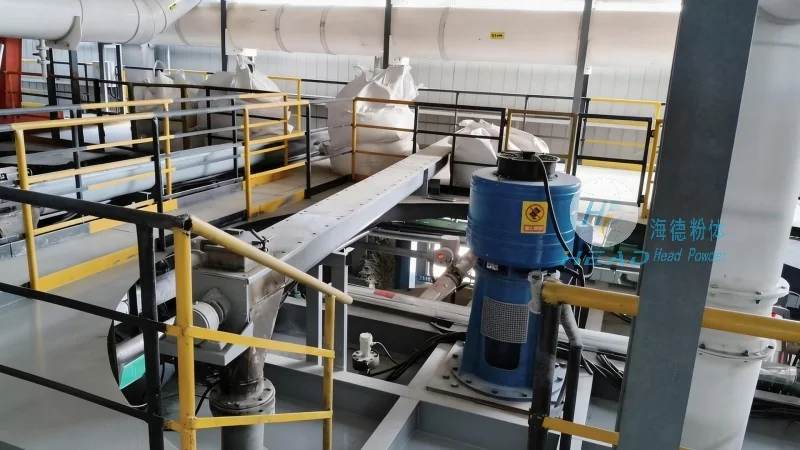
Key Components of the Pneumatic Conveying System
The automatic blending and feeding system typically consists of several core components that work in tandem to achieve its objectives. These include a material hopper or silo for storage, a feeder mechanism to control the flow rate, a conveying line (often with airlocks or rotary valves), and a receiver or mixing chamber. The feeder, which can be a screw feeder, vibratory feeder, or rotary valve, plays a crucial role in regulating the material discharge rate to maintain the desired blending ratio. The conveying line, which may use positive or negative pressure, transports the material through the system. Airlocks or rotary valves are used at the inlet and outlet to prevent backflow and ensure smooth material transfer. The receiver or mixing chamber is where the blended materials are collected and prepared for further processing.
Design Principles and Operational Mechanisms
The design of an automatic blending and feeding pneumatic conveying system is guided by several fundamental principles to ensure efficiency and accuracy. One of the primary design considerations is the material's properties, such as particle size, density, and flowability, as these factors influence the conveying velocity and pressure requirements. The system must be engineered to handle the specific characteristics of the materials being processed, ensuring that the conveying line is sized appropriately to prevent blockages or excessive pressure drops. Another critical design principle is the control of air flow and material flow rates. By using variable speed drives or pressure sensors, the system can dynamically adjust the air and material flow to maintain the desired blending ratio. This closed-loop control system helps to minimize variations in the final product composition, which is vital for applications where consistency is paramount.
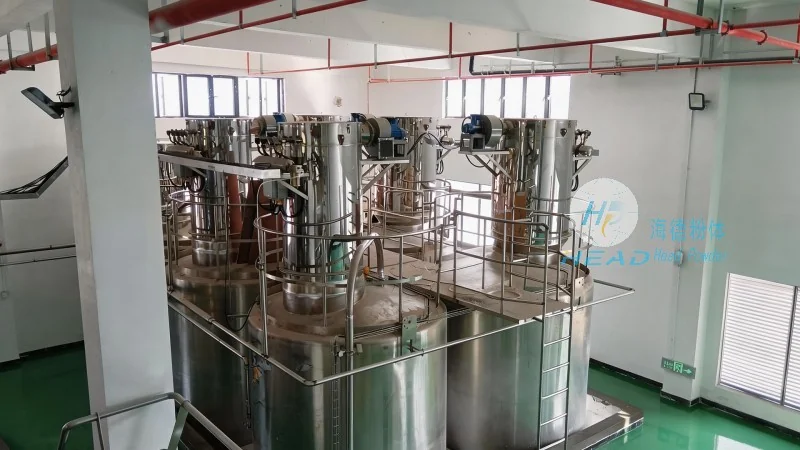
Advantages of Using an Automatic Blending and Feeding System
Implementing an automatic blending and feeding pneumatic conveying system offers numerous advantages for industrial operations. Firstly, it enhances process efficiency by automating the material handling and blending tasks, reducing the need for manual intervention and labor. This automation leads to increased production throughput and reduced downtime. Secondly, the system provides high accuracy in material blending, ensuring that the final product meets strict quality standards. The precise control over flow rates and blending ratios minimizes variations in the final product, which is particularly important in industries like pharmaceuticals, food processing, and chemical manufacturing. Thirdly, the system improves safety by eliminating manual handling of bulk materials, reducing the risk of dust exposure and accidents. Additionally, the automated nature of the system allows for better traceability and documentation of the blending process, which is essential for regulatory compliance.
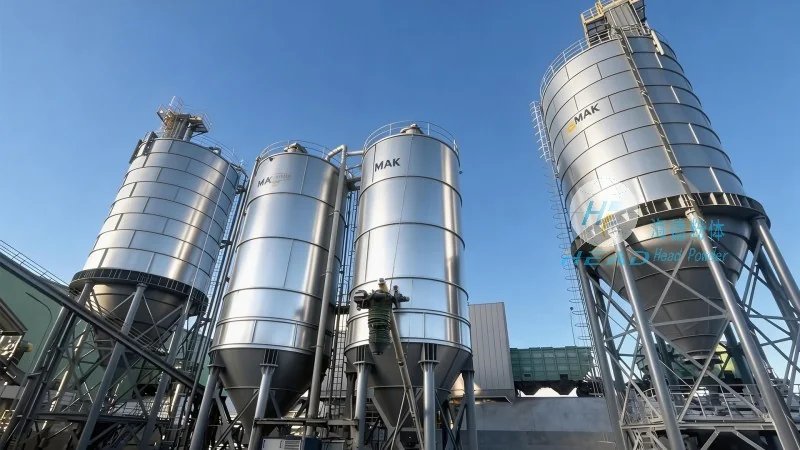
Applications and Industries
The automatic blending and feeding pneumatic conveying system is widely used across various industries due to its versatility and adaptability. In the pharmaceutical industry, it is used to blend active pharmaceutical ingredients (APIs) with excipients to ensure consistent drug formulations. In the food processing industry, it is employed to blend ingredients like spices, sugars, and flavorings into food products, maintaining uniform taste and texture. The chemical industry utilizes these systems for blending raw materials in the production of chemicals, polymers, and coatings. Additionally, in the agricultural sector, it helps in blending fertilizers and pesticides with other materials for precise application. The system's ability to handle a wide range of materials, from fine powders to bulk solids, makes it suitable for diverse industrial applications.
Conclusion and Company Overview
In conclusion, the automatic blending and feeding pneumatic conveying system is a sophisticated and essential technology for modern material handling and processing. Its design principles, which focus on precision, efficiency, and safety, make it a valuable asset for industries requiring consistent and high-quality material blending. By integrating advanced control mechanisms and robust components, these systems ensure reliable operation and optimal performance. As a leading provider in this field, Shandong HeadPowder Engineering Co., Ltd. specializes in designing and manufacturing such systems tailored to the specific needs of various industries. With a commitment to quality and innovation, HeadPowder offers solutions that enhance production efficiency and product quality. Based in Shandong, China, the company leverages its expertise to deliver reliable and efficient material handling solutions to clients worldwide.