

What is Sawdust and Husk Material Pneumatic Conveying? What Are the Design Principles?
Pneumatic conveying technology plays a vital role in the efficient handling of sawdust and husk materials, which are commonly used in biomass processing industries. This article delves into the fundamental aspects of sawdust and husk material pneumatic conveying systems and outlines the essential design principles that ensure optimal performance and reliability.
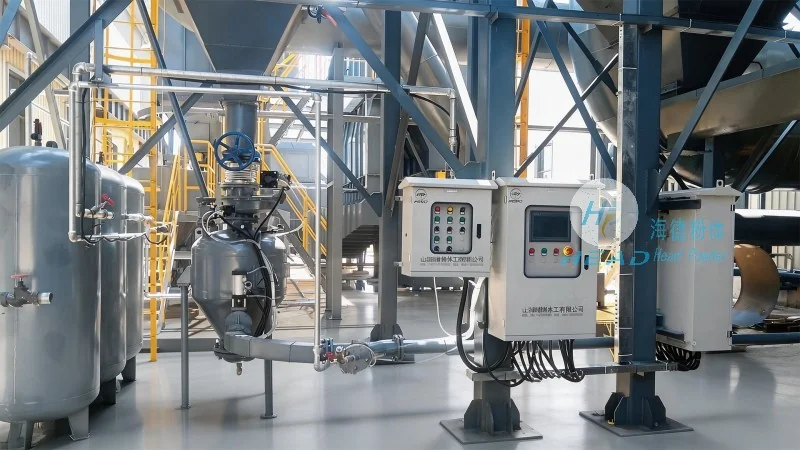
Pneumatic Conveying: A Fundamental Concept
Pneumatic conveying involves transporting bulk materials through a pipeline using a stream of air or gas. In the case of sawdust and husk materials, this method is particularly advantageous due to the light weight and fine particle size of these substances. Unlike traditional mechanical conveying systems, pneumatic conveying eliminates the need for moving parts such as belts or buckets, reducing maintenance requirements and minimizing the risk of material contamination.
Core Components of Sawdust and Husk Pneumatic Conveying Systems
An effective sawdust and husk pneumatic conveying system typically comprises several key components. These include a material feed hopper for initial storage and feeding, a blower or compressor to generate the necessary air flow, a network of pipelines to transport the material, and a discharge or collection unit at the destination. Each component must be carefully selected and integrated to ensure seamless operation and minimal energy consumption.
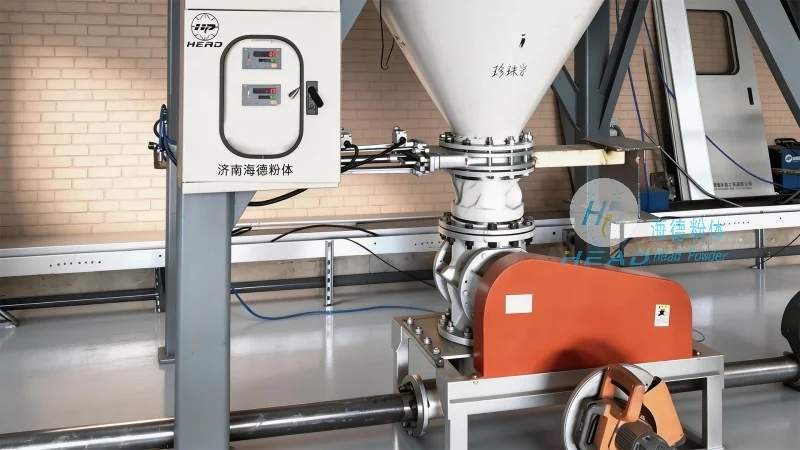
Design Principles for Efficient Material Transport
The design of pneumatic conveying systems for sawdust and husk materials must adhere to several critical principles to achieve high efficiency. First, the air velocity within the pipeline must be sufficient to keep the material suspended and prevent settling or blockages. This requires precise calculations based on the material's density, particle size distribution, and moisture content to determine the optimal air velocity and pressure levels.
Second, minimizing pressure drop is essential to reduce energy consumption and prevent excessive wear on system components. This is achieved through the use of smooth, well-designed pipelines with appropriate bends and fittings that minimize friction losses. The selection of blower or compressor type is also critical, as it directly impacts the system's operational efficiency and long-term cost-effectiveness.
Influence of Material Characteristics on Design
The physical and chemical properties of sawdust and husk materials significantly affect the design and performance of pneumatic conveying systems. For example, the high moisture content in some husk materials can lead to caking or blockages, necessitating additional drying or conditioning steps before transport. Similarly, the fine particle size of sawdust increases the risk of dust accumulation, requiring robust filtration and dust control measures to maintain system integrity and air quality.
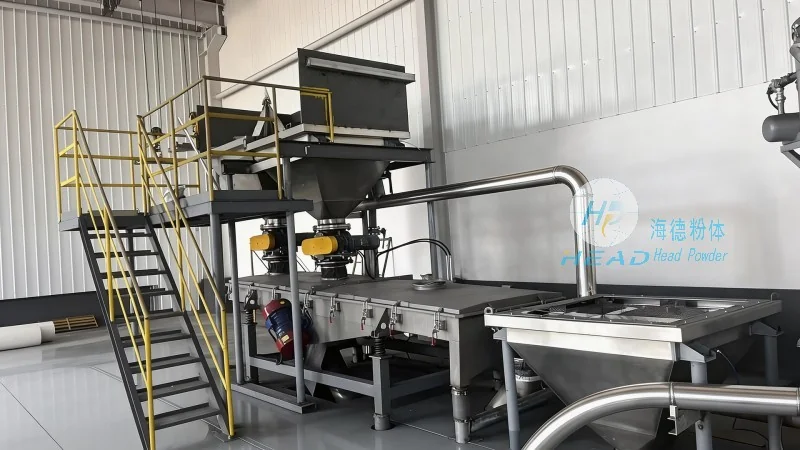
Application in Biomass Processing Facilities
In biomass processing applications, such as biofuel production or animal feed manufacturing, pneumatic conveying systems are indispensable for moving sawdust and husk materials from storage silos to processing units. The efficiency of these systems directly impacts the overall productivity and cost structure of the operation. By optimizing the design based on specific material characteristics and operational requirements, companies can achieve substantial improvements in material handling speed and system reliability.
Conclusion
In summary, pneumatic conveying is a highly effective method for transporting sawdust and husk materials, and its design principles are fundamental to achieving optimal performance. By considering material properties, system components, and operational efficiency, industries can implement reliable pneumatic conveying solutions. As a specialized engineering company, Shandong HeadPowder Engineering Co., Ltd. provides tailored pneumatic conveying systems that meet the unique demands of biomass processing, ensuring efficient material transport and enhanced operational productivity.