

What is the Pneumatic Conveying of Aluminum Hydroxide Material? Exploring the Design Principles
Aluminum hydroxide, a widely used industrial chemical, often requires efficient material handling solutions for its transportation from production sites to processing facilities. Pneumatic conveying stands out as a key technology in this context, offering a reliable method to move aluminum hydroxide powder and granules through a system using air or other gases. This approach not only enhances operational efficiency but also minimizes the risk of dust contamination and material degradation, making it a preferred choice in various industrial applications.
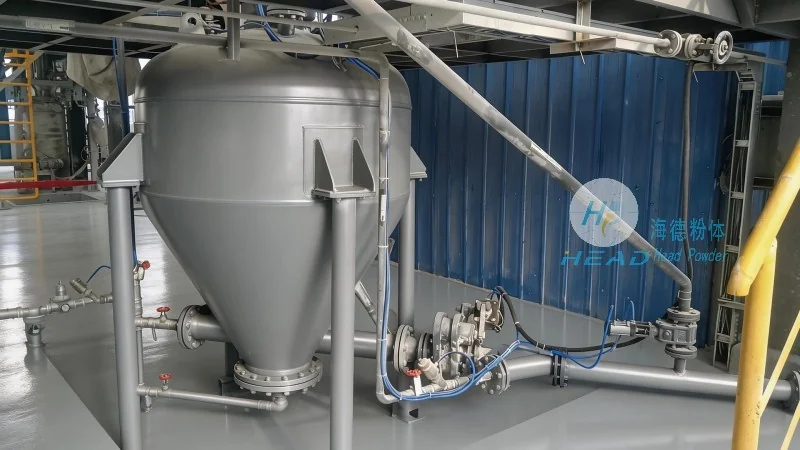
The Role of HeadPowder in Pneumatic Conveying Systems
Shandong HeadPowder Engineering Co., Ltd., commonly known as HeadPowder, specializes in the design, manufacturing, and implementation of pneumatic conveying systems tailored for aluminum hydroxide and other similar materials. With a focus on precision engineering and adherence to industry standards, HeadPowder leverages its expertise to develop customized solutions that meet the unique requirements of clients in sectors such as chemical manufacturing, pharmaceuticals, and environmental technology. The company’s commitment to quality and innovation ensures that each system is optimized for performance, durability, and safety. HeadPowder is located in Shandong, China.
Design Principles of Pneumatic Conveying for Aluminum Hydroxide
The design of a pneumatic conveying system for aluminum hydroxide involves several critical principles that ensure effective material transport. First, the system must consider the physical properties of aluminum hydroxide, including its particle size, density, and flow characteristics. These factors influence the selection of the conveying method—whether it is a dilute-phase or dense-phase system. Dilute-phase systems, which use high air velocities to suspend particles, are suitable for lighter materials like aluminum hydroxide, allowing for long-distance transport with minimal pressure drops. In contrast, dense-phase systems operate at lower velocities, using compressed air to push material through the pipeline, which is advantageous for handling more abrasive or sensitive materials.
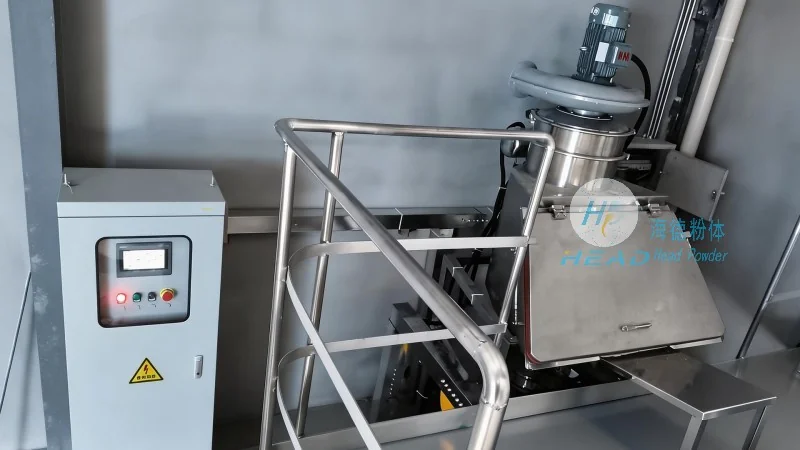
Key Components in Aluminum Hydroxide Pneumatic Conveying Systems
HeadPowder’s pneumatic conveying systems for aluminum hydroxide typically consist of several essential components. The primary elements include a material feeder, which ensures a consistent flow of aluminum hydroxide into the system; a conveying line, which may be made of stainless steel or other corrosion-resistant materials to withstand the chemical properties of the material; and a separator or filter, which removes air from the material stream and collects the conveyed powder. Additionally, the system may incorporate a pressure regulator and a control panel to manage air flow and pressure, ensuring smooth operation and preventing system failures.
Advantages of Pneumatic Conveying for Aluminum Hydroxide Handling
Implementing pneumatic conveying for aluminum hydroxide offers numerous advantages over traditional methods like belt conveyors or bucket elevators. One of the most significant benefits is the reduction in dust exposure, as the material is contained within the system, minimizing the risk of inhalation by workers and environmental contamination. Furthermore, pneumatic conveying systems can handle a wide range of material flow rates, from low to high, making them adaptable to varying production demands. The technology also enables the integration of multiple processing steps, such as mixing or drying, directly within the conveying line, streamlining the overall production process. Another key advantage is the ability to transport aluminum hydroxide over long distances without the need for intermediate storage or handling, which improves operational efficiency and reduces downtime.
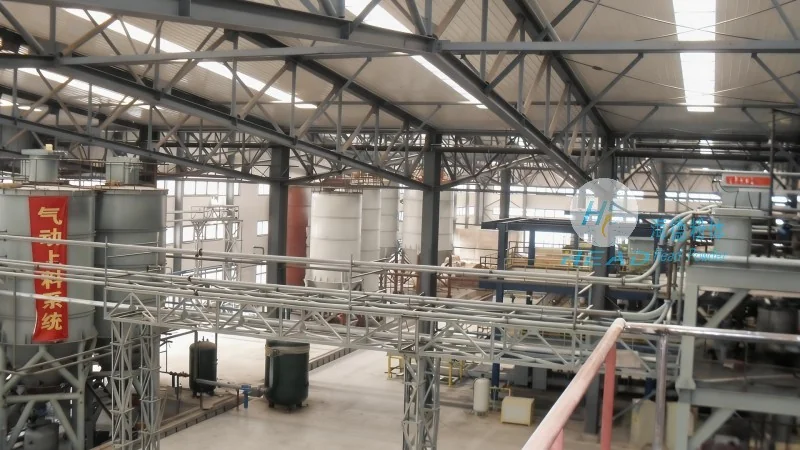
Customization and Application Flexibility
HeadPowder recognizes that each aluminum hydroxide processing facility has unique operational needs, and thus, offers customized pneumatic conveying solutions. The company works closely with clients to assess their specific requirements, including the scale of production, the distance of material transport, and the desired level of automation. By tailoring the system components—such as the type of feeder, the diameter of the conveying line, and the control mechanisms—HeadPowder ensures that the final solution is both effective and cost-efficient. This customization approach allows clients to optimize their material handling processes, reduce operational costs, and enhance overall productivity.
Conclusion: The Importance of Expert Design in Aluminum Hydroxide Pneumatic Conveying
As the demand for efficient and reliable material handling in the aluminum hydroxide industry continues to grow, the role of pneumatic conveying systems becomes increasingly critical. The design principles and components of these systems, when implemented by experienced professionals like those at Shandong HeadPowder Engineering Co., Ltd., can significantly impact the performance and safety of material transport operations. By leveraging advanced engineering and a deep understanding of material properties, HeadPowder provides solutions that not only meet current industry standards but also support future growth and innovation in the aluminum hydroxide sector. The integration of customized pneumatic conveying systems into production workflows represents a strategic investment for companies seeking to enhance their operational efficiency and maintain a competitive edge in the market.