

What is Corn Starch Material Pneumatic Conveying? What Are the Design Principles?
When it comes to handling corn starch, especially in industrial settings, efficient material transport is crucial for maintaining production efficiency and product quality. Pneumatic conveying systems have emerged as a preferred method for moving corn starch and similar powders due to their ability to handle fine particles and minimize contamination risks. This article explores the concept of corn starch material pneumatic conveying and delves into the core design principles that underpin such systems.
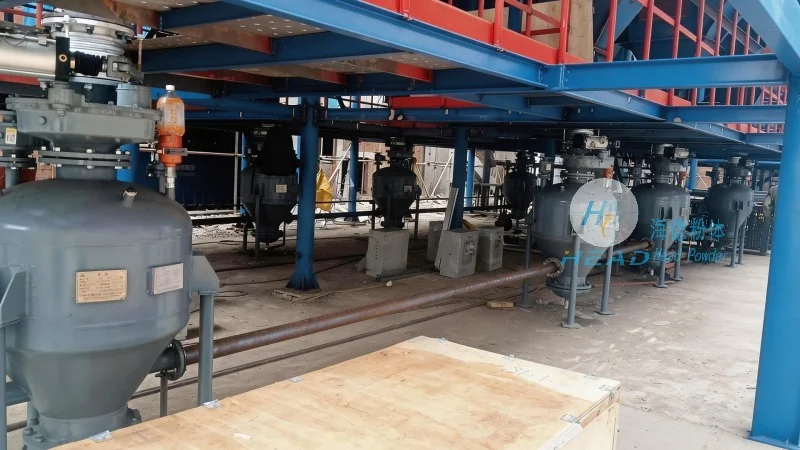
Understanding Pneumatic Conveying for Corn Starch
Corn starch, a common industrial ingredient used in food, pharmaceuticals, and other sectors, presents unique challenges when it comes to material handling. Its fine particle size and hygroscopic nature require specialized equipment to ensure safe and effective transport. Pneumatic conveying, which uses air or gas to move material through a pipeline, offers a solution that avoids direct contact with machinery, reducing the risk of product contamination and degradation. The system typically consists of a hopper to store the material, a blower or compressor to generate airflow, and a pipeline network that transports the material to its destination. This method is particularly advantageous for corn starch because it can handle large volumes of fine powder without the need for mechanical components that might cause clogging or wear.
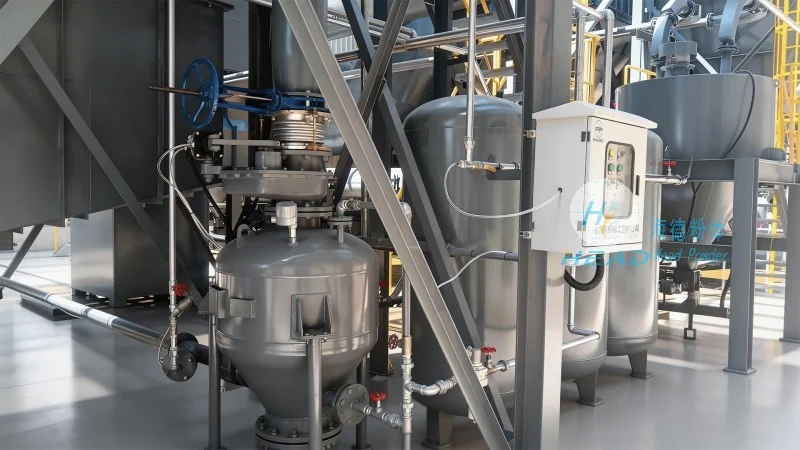
Key Design Principles for Corn Starch Pneumatic Conveying Systems
The success of a corn starch pneumatic conveying system relies on several critical design principles. First, the system must be designed to handle the specific properties of corn starch, including its particle size distribution, moisture content, and flow characteristics. This involves selecting the appropriate air velocity and pressure to ensure that the material is conveyed without excessive pressure drops or particle degradation. Second, the system must incorporate features that prevent clogging and maintain consistent airflow. This may include using pulse-jet or rotary airlock valves, as well as proper pipeline sizing and layout to minimize friction losses. Third, the design must consider the need for dust control and environmental compliance. Corn starch is a fine powder that can generate significant dust, so the system should include dust collection and filtration components to ensure safe operation and meet regulatory requirements. Finally, the system must be scalable and adaptable to changing production needs. As production volumes fluctuate, the conveying system should be able to adjust its capacity without requiring major modifications.
HeadPowder's Expertise in Corn Starch Pneumatic Conveying Solutions
Shandong HeadPowder Engineering Co., Ltd., commonly known as HeadPowder, is a leading provider of customized pneumatic conveying solutions tailored to the needs of corn starch processors. With years of experience in the industry, HeadPowder specializes in designing and manufacturing systems that optimize material transport while ensuring product integrity and operational efficiency. The company’s approach to corn starch pneumatic conveying involves a comprehensive understanding of the material’s properties and the specific challenges faced by its clients. By working closely with customers, HeadPowder engineers develop tailored solutions that address individual production requirements, such as varying starch types, processing volumes, and environmental constraints. The company’s solutions typically include a range of components, from bulk material feeders and airlocks to pipeline networks and dust collection systems, all engineered to work in harmony for seamless material transport. HeadPowder’s commitment to quality and innovation is reflected in its use of advanced materials and design techniques, ensuring that its systems are durable, reliable, and capable of handling the demanding conditions of corn starch processing. The company’s team of experts provides ongoing support, including system maintenance and performance optimization, to ensure that clients achieve the best possible results from their pneumatic conveying systems.
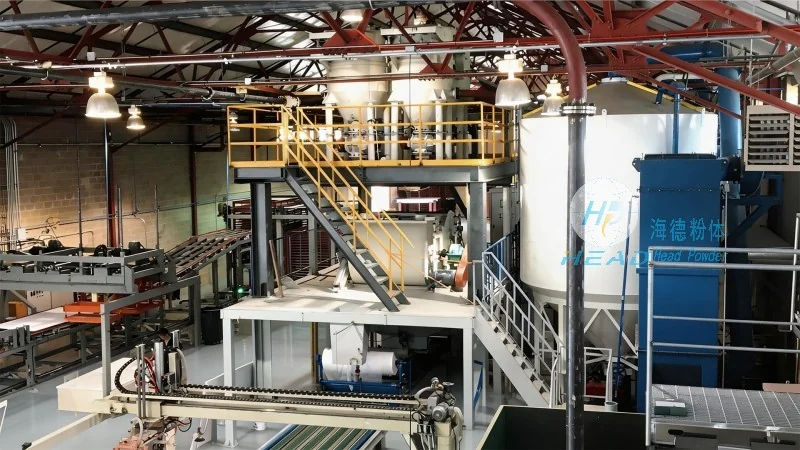
Conclusion: The Importance of Proper Design in Corn Starch Pneumatic Conveying
In conclusion, the design of a corn starch pneumatic conveying system is a complex process that requires careful consideration of the material’s properties and the operational requirements of the facility. By adhering to key design principles, such as appropriate air velocity, clog prevention, and dust control, companies can achieve efficient and reliable material transport. HeadPowder, with its expertise and customized solutions, plays a vital role in helping corn starch processors implement effective pneumatic conveying systems that enhance productivity and maintain product quality. As the demand for corn starch continues to grow, the importance of robust and well-designed pneumatic conveying systems will only increase, making it essential for manufacturers to partner with experienced providers like HeadPowder to meet their material handling needs.