

What is the Pneumatic Conveying of Sand Particle Materials? Understanding the Design Principles
Pneumatic conveying is a widely used method for transporting bulk materials, including sand and other granular particles, through a pipeline using a gas stream. This technology offers several advantages over traditional mechanical conveying systems, such as reduced equipment wear, lower maintenance costs, and the ability to handle materials in a closed system, minimizing dust emissions and environmental impact. Understanding the principles behind this process is crucial for designing efficient and reliable systems for industrial applications.
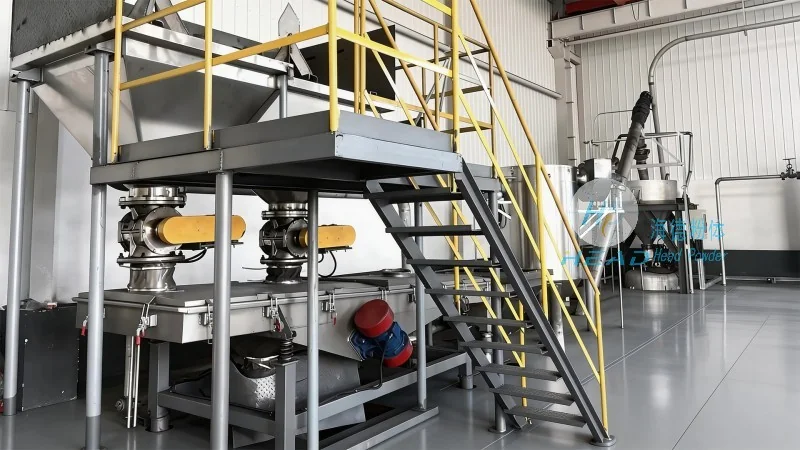
Key Components of a Pneumatic Conveying System
A typical pneumatic conveying system for sand particle materials consists of several key components that work together to ensure smooth material transport. These include a material feeder, a conveying pipeline, a gas source (usually air or a mixture of air and other gases), a pressure or vacuum system to create the necessary flow, and a receiver or discharge unit. The material feeder is responsible for introducing the sand particles into the system at a controlled rate, while the conveying pipeline transports the material from the source to the destination. The gas source provides the energy to move the particles, and the pressure or vacuum system controls the flow rate and direction. The receiver then collects the conveyed material, completing the process.
Design Principles for Efficient Sand Particle Conveying
Designing an effective pneumatic conveying system for sand particles requires careful consideration of several factors to ensure optimal performance. The first consideration is the particle size and density of the sand, as these properties affect the required gas velocity and pressure. Larger or denser particles may require higher gas velocities to maintain flow, while smaller particles may need lower velocities to prevent segregation or blockages. The system's design also needs to account for the material's flowability and any potential for agglomeration, which can impact the conveying efficiency. Additionally, the pipeline layout and diameter are critical, as they influence the pressure drop and energy consumption. Proper sizing of the pipeline and selection of the appropriate gas source are essential to minimize energy costs and ensure consistent material transport.
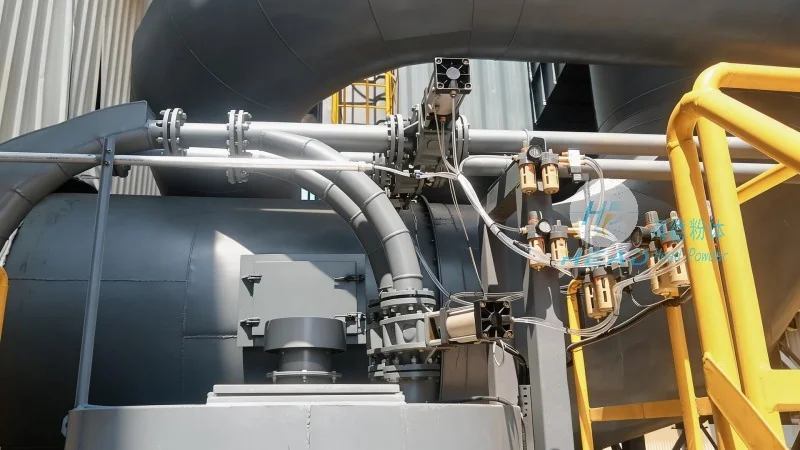
HeadPowder's Expertise in Pneumatic Conveying Solutions
Shandong HeadPowder Engineering Co., Ltd., a leading provider of engineering solutions for material handling, specializes in designing and manufacturing pneumatic conveying systems tailored to the needs of various industries. With years of experience and a deep understanding of the principles behind efficient sand particle transport, HeadPowder offers customized solutions that meet the specific requirements of clients. The company's team of engineers uses advanced design software and rigorous testing to ensure that each system is optimized for performance, reliability, and cost-effectiveness. HeadPowder's commitment to quality and innovation has made it a trusted partner for businesses seeking to improve their material handling processes.
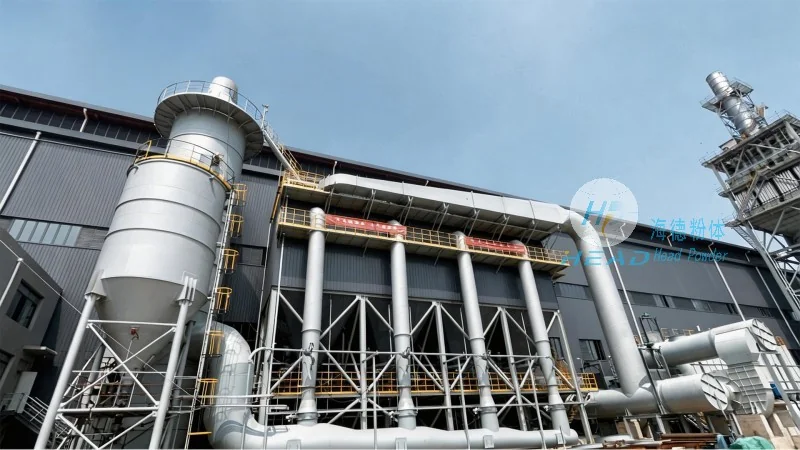
Applications and Benefits of Pneumatic Conveying for Sand Materials
Pneumatic conveying systems are widely used in industries that handle sand and other granular materials, including construction, mining, and manufacturing. The technology offers several benefits, such as the ability to transport materials over long distances without the need for multiple transfer points, reducing the risk of material contamination and loss. Additionally, the closed system design minimizes dust exposure for workers and prevents environmental contamination, making it a more sustainable option compared to traditional open systems. The flexibility of pneumatic conveying also allows for easy integration with other processing equipment, such as mixers, classifiers, and storage tanks. This integration enhances overall process efficiency and reduces downtime, leading to increased productivity and cost savings for businesses.
Conclusion: The Importance of Proper Design and Expertise
In conclusion, pneumatic conveying of sand particle materials is a sophisticated technology that requires careful design and implementation to achieve optimal results. The principles behind this process, including the selection of appropriate components, consideration of particle properties, and proper system layout, are critical to ensuring efficient and reliable material transport. For businesses seeking to improve their material handling capabilities, partnering with a reputable company like Shandong HeadPowder Engineering Co., Ltd. can provide the expertise and solutions needed to achieve their goals. By leveraging the company's experience and advanced technology, organizations can enhance their operational efficiency, reduce costs, and improve the overall quality of their material handling processes.