

PVC Pellet Material Pneumatic Conveying: What It Is and Its Design Principles
HeadPowder, a leading engineering firm based in Shandong, China, specializes in the design and implementation of pneumatic conveying systems for various industrial materials, including PVC pellets. This article explores the fundamental concepts of PVC pellet material pneumatic conveying and delves into the core design principles that ensure efficient and reliable operation.
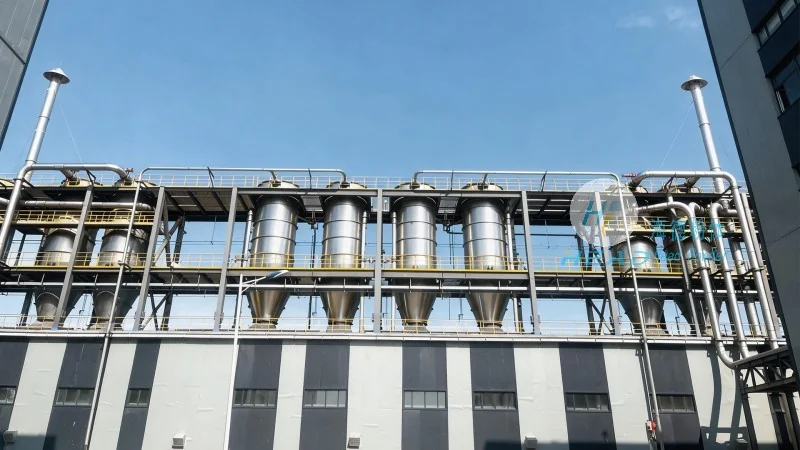
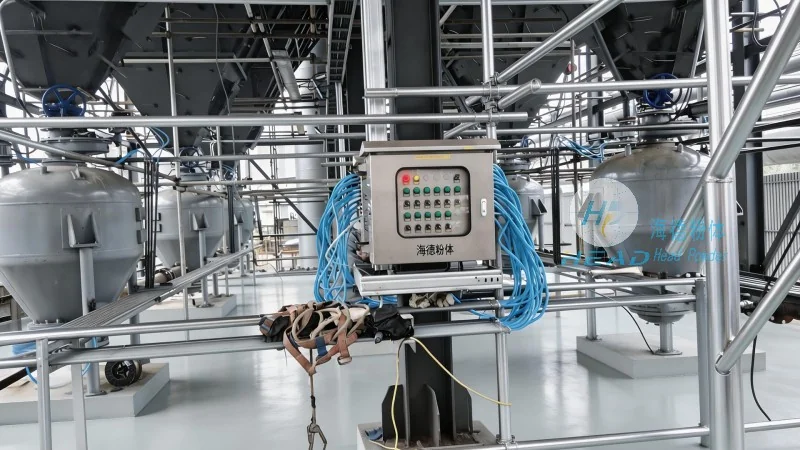
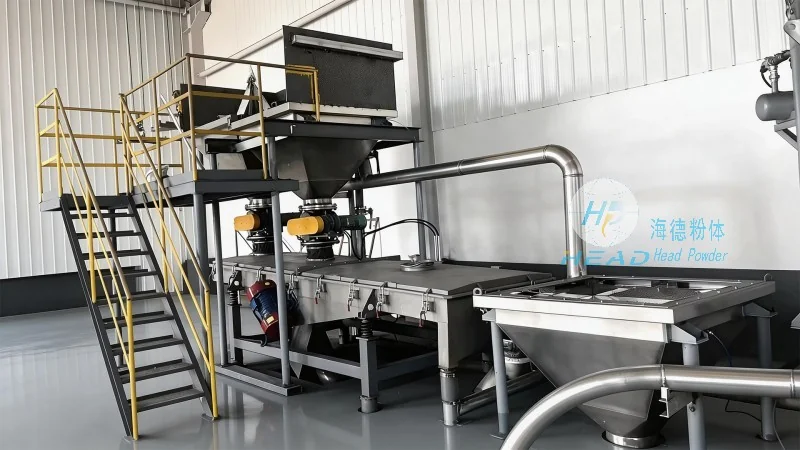
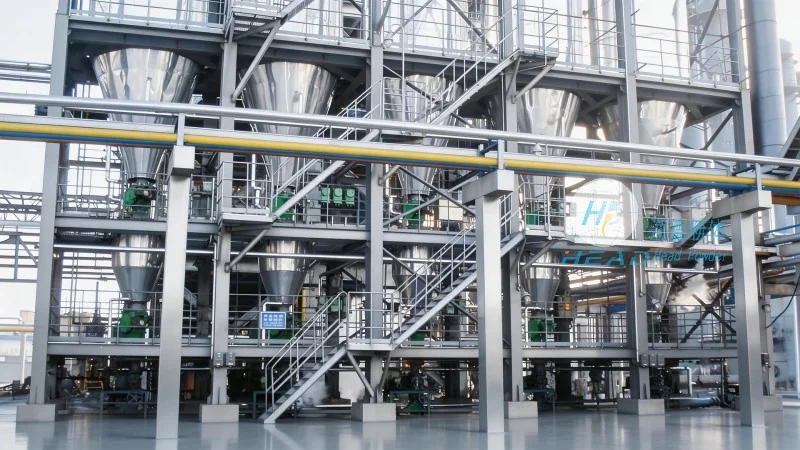
Understanding Pneumatic Conveying for PVC Pellets
Pneumatic conveying, also known as pneumatic transport, is a method of transporting bulk materials through a pipeline using a gas stream, typically air or other gases. For PVC pellets, this technology offers a highly effective solution for moving the material from one location to another within a manufacturing facility or between different stages of production. Unlike traditional mechanical conveying systems, which rely on belts, screws, or buckets, pneumatic conveying utilizes the force of the gas to lift, transport, and deposit the pellets, making it particularly suitable for materials that are dusty, abrasive, or require a dust-free environment.
Key Design Principles for PVC Pellet Pneumatic Conveying
The successful design of a PVC pellet pneumatic conveying system hinges on several critical principles that ensure optimal performance, energy efficiency, and durability. These principles are tailored to the unique characteristics of PVC pellets, such as their size, density, and flowability. The primary design considerations include: