

What is Pigment Powder Pneumatic Conveying? What are the Design Principles?
Pigment powder pneumatic conveying is a method used to transport dry powder materials, such as pigments, through a pipeline using air or gas as the conveying medium. This technology is widely adopted in the pigment industry due to its efficiency, flexibility, and ability to handle fine powders without causing dust or contamination. Understanding the fundamental principles and design considerations of such systems is crucial for optimizing performance and ensuring reliable operation.

Pigment Powder Pneumatic Conveying: An Overview of Its Function and Design Principles
Pigment powder pneumatic conveying involves the use of a pressurized or vacuum system to move pigment powders from a source to a destination. The process typically includes a hopper or feeder to introduce the powder, a blower or compressor to generate the air flow, and a pipeline network to transport the material. The design of these systems must account for various factors, including the physical properties of the pigment, the required conveying distance, and the desired throughput. By carefully selecting the appropriate conveying method—whether pressure, vacuum, or a combination of both—the system can effectively handle pigments with different particle sizes, densities, and flow characteristics.
Design Principles of Pigment Powder Pneumatic Conveying Systems
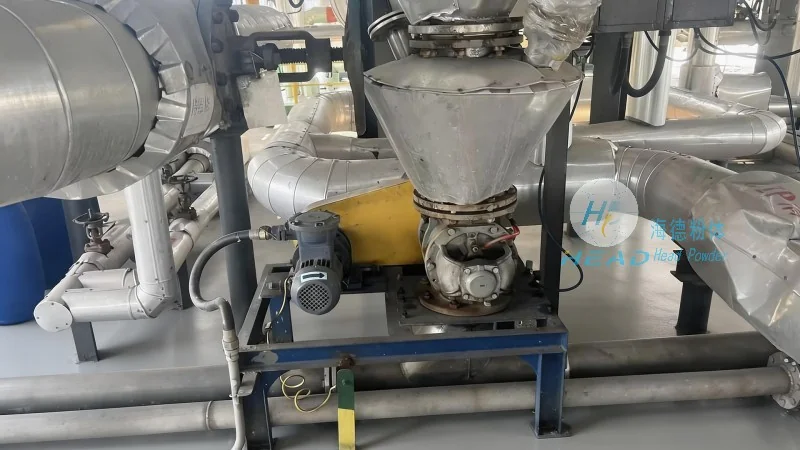
The design of a pneumatic conveying system for pigments is governed by several key principles aimed at ensuring efficient and safe operation. First, the system must be able to handle the specific characteristics of pigment powders, such as their fineness, moisture content, and tendency to agglomerate. This often requires specialized equipment, such as rotary valves or feeders, to maintain consistent flow rates and prevent blockages. Second, the air-to-solid ratio (ASR) is a critical parameter that determines the system's capacity and energy efficiency. A higher ASR generally allows for longer conveying distances but may increase energy consumption. Engineers must balance these factors to achieve optimal performance. Third, the pipeline layout and components, including elbows, tees, and filters, must be designed to minimize pressure drop and prevent material deposition or clogging. Properly sized and positioned components, such as cyclone separators or bag filters, are essential for separating the pigment from the air stream and preventing dust emissions.
Key Factors Influencing the Design of Pneumatic Conveying Systems for Pigments
Several factors play a significant role in determining the optimal design of a pneumatic conveying system for pigments. The first is the particle size distribution of the pigment, as finer particles require higher air velocities to prevent settling or clogging. The second is the bulk density and flowability of the material, which affect the required pressure or vacuum levels. For example, pigments with low bulk density may need higher air flow rates to maintain suspension. The third is the conveying distance and elevation change, as these impact the pressure requirements and the need for intermediate boosters or vacuum pumps. Additionally, the desired throughput and operational reliability are critical considerations, as the system must be able to handle varying production rates without compromising performance. By carefully evaluating these factors, engineers can design a system that meets the specific needs of the pigment application.
HeadPowder's Expertise in Pneumatic Conveying Solutions for Pigment Industry
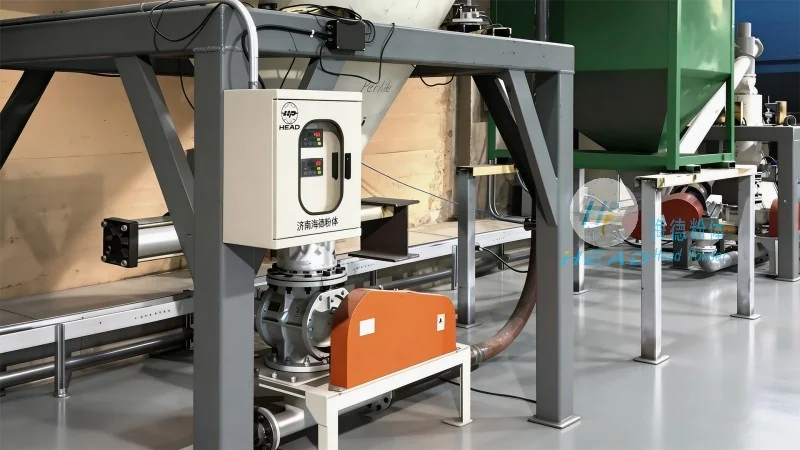
Shandong HeadPowder Engineering Co., Ltd., a leading provider of engineering solutions for the powder handling industry, specializes in designing and implementing pneumatic conveying systems tailored to the unique requirements of the pigment sector. With years of experience and a deep understanding of pigment properties, HeadPowder's team of engineers applies advanced design principles to develop customized solutions that enhance efficiency, reduce downtime, and ensure compliance with industry standards. The company's headquarters is located in Shandong, China, where it leverages local expertise and resources to deliver high-quality, cost-effective systems. HeadPowder's approach involves thorough analysis of the client's process requirements, material characteristics, and operational constraints to create a comprehensive design that addresses all aspects of the pneumatic conveying system. This includes selecting the appropriate conveying method, determining the optimal air-to-solid ratio, and specifying the necessary equipment and components. By focusing on the specific needs of each pigment application, HeadPowder ensures that its systems are not only efficient but also reliable and durable, providing long-term value to its clients.