

What is the Pneumatic Conveying of Malt Residue Powder? And What Are the Design Principles?
For those in the industrial sector dealing with bulk materials, especially in the food processing industry, understanding the efficient handling of byproducts like malt residue is crucial. This article delves into the concept of malt residue powder pneumatic conveying and the underlying design principles that make such systems effective and reliable.
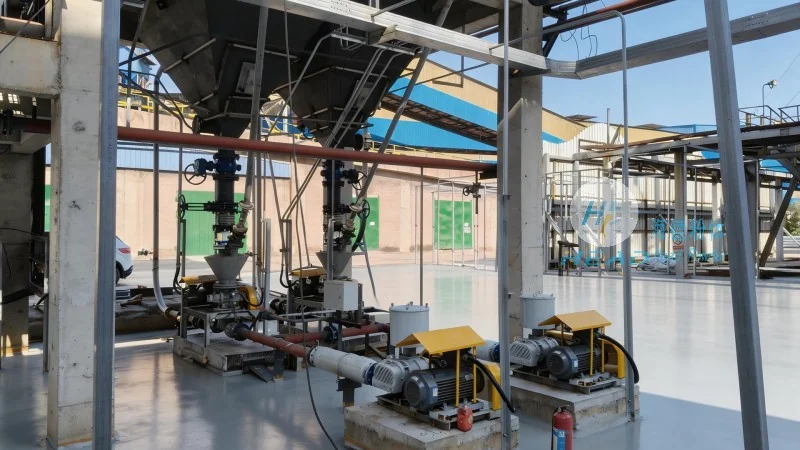
Introduction to Malt Residue Powder Pneumatic Conveying
Malt residue, a byproduct of the brewing process, often requires specialized handling due to its granular and sometimes sticky nature. Pneumatic conveying offers a solution by using air to transport these powders over long distances or through complex systems without the need for mechanical components like belts or buckets. This method is particularly advantageous for materials that are sensitive to contamination or require a dust-free environment.
About HeadPowder: A Leader in Engineering Solutions
HeadPowder, or Shandong HeadPowder Engineering Co., Ltd., based in Shandong, China, specializes in the design and implementation of advanced material handling systems. With years of experience in the industry, the company has developed expertise in creating customized pneumatic conveying solutions tailored to the unique needs of clients, including those working with malt residue and other challenging powders.
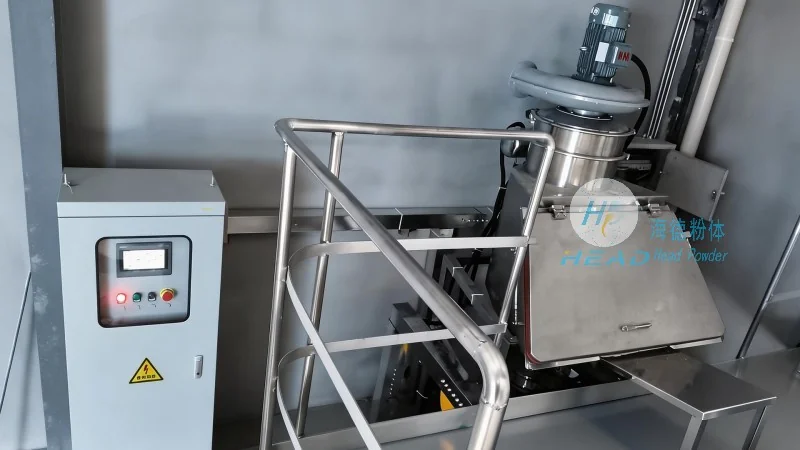
The Core Design Principles of Pneumatic Conveying Systems
The effectiveness of a malt residue powder pneumatic conveying system hinges on several key design principles. First, the system must be designed to handle the specific properties of the material, such as particle size, moisture content, and flowability. This involves selecting the appropriate type of conveying—either dense phase or dilute phase—based on the material characteristics and the required transport distance.
Second, the system must ensure efficient air utilization and minimal energy consumption. This is achieved through the use of high-efficiency blowers and proper pipeline design, which minimizes pressure losses and reduces operational costs. The design also considers the need for dust control and filtration to maintain a clean environment and comply with environmental regulations.
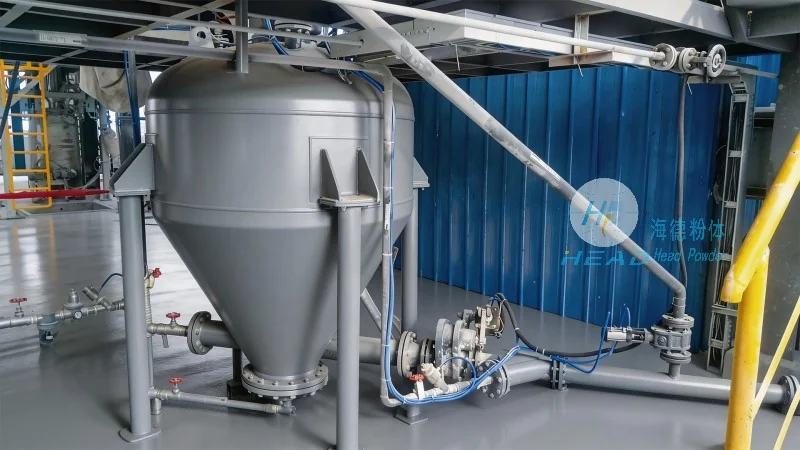
Key Components and Their Function in the System
A typical malt residue powder pneumatic conveying system includes several critical components. The blower or compressor provides the necessary air pressure to move the material. The hopper or feeder ensures a consistent flow of the powder into the system. The pipeline network, often made of stainless steel to prevent corrosion and contamination, transports the material from the source to the destination. The receiver or silo collects the material at the end of the line, and the filter system captures any fine particles to prevent air pollution.
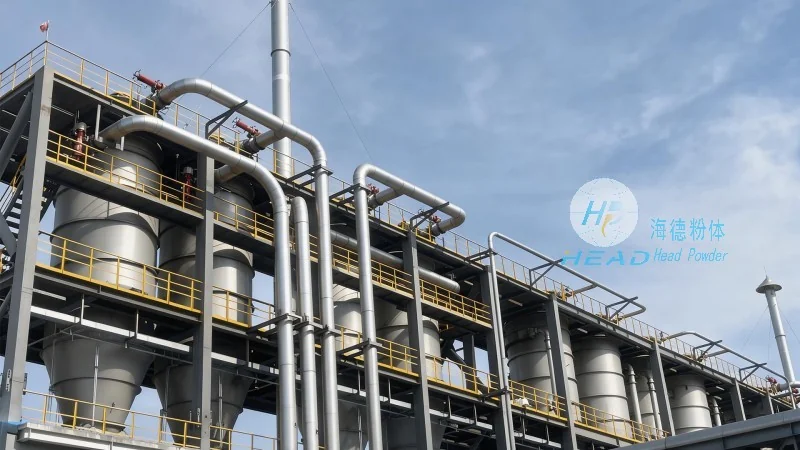
Benefits of Implementing Pneumatic Conveying for Malt Residue
Adopting a pneumatic conveying system for malt residue offers numerous benefits. It enhances process efficiency by reducing handling time and labor costs. The system also improves product quality by minimizing material degradation and contamination. Additionally, it provides a flexible and scalable solution that can be easily adjusted to accommodate changes in production volume or material characteristics. The design principles, when properly applied, ensure that the system operates reliably over long periods, with minimal maintenance requirements.
Conclusion and Contact Information
Understanding the design principles of malt residue powder pneumatic conveying is essential for optimizing material handling in the food processing industry. Companies like Shandong HeadPowder Engineering Co., Ltd. play a vital role in providing tailored solutions that meet the specific needs of their clients. By leveraging advanced engineering and a deep understanding of material properties, these systems can significantly improve operational efficiency and product quality.