

What is Soap Granule Powder Pneumatic Conveying? And What Are Its Design Principles?
Soap granule powder pneumatic conveying is a specialized method for transporting solid powder materials, such as soap granules, through a pipeline using air or gas as the conveying medium. This technology is widely used in industries that handle fine powders, offering advantages like dust-free operation, flexible system layout, and the ability to transport materials over long distances without the need for mechanical components like conveyors or elevators.
Understanding Pneumatic Conveying Systems
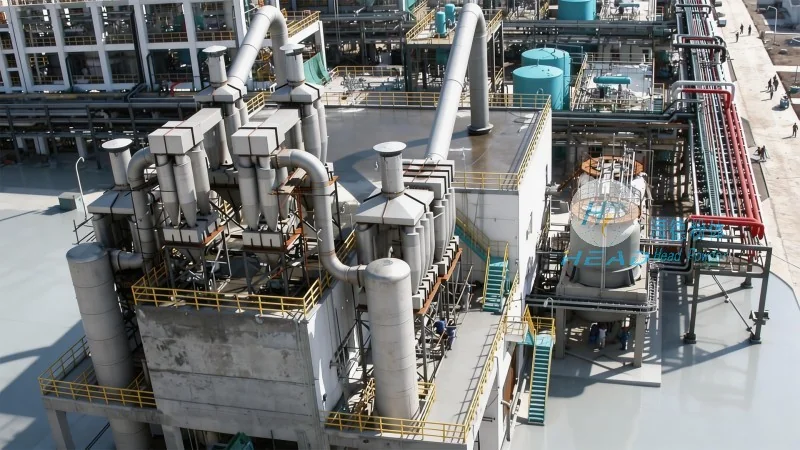
Pneumatic conveying systems operate by creating a pressure differential between the material source and the destination. The system typically consists of a hopper or feeder to introduce the powder, a blower or compressor to generate the air flow, and a pipeline network that transports the material. The design of the system must consider factors like material properties (e.g., particle size, density, moisture content), the required conveying distance, and the desired flow rate. For soap granules, which are often hygroscopic and have specific handling requirements, the system design must ensure minimal product degradation and efficient transfer.
Key Design Principles for Soap Granule Pneumatic Conveying
The design of a soap granule pneumatic conveying system involves several critical principles to ensure optimal performance and product integrity. First, the selection of the conveying type—whether it's a pressure or vacuum system—depends on the application. Pressure systems are suitable for short to medium distances and high flow rates, while vacuum systems are better for long distances or when the material needs to be collected from multiple sources. For soap granules, a pressure system is often preferred due to the need to maintain product quality and prevent caking or agglomeration.
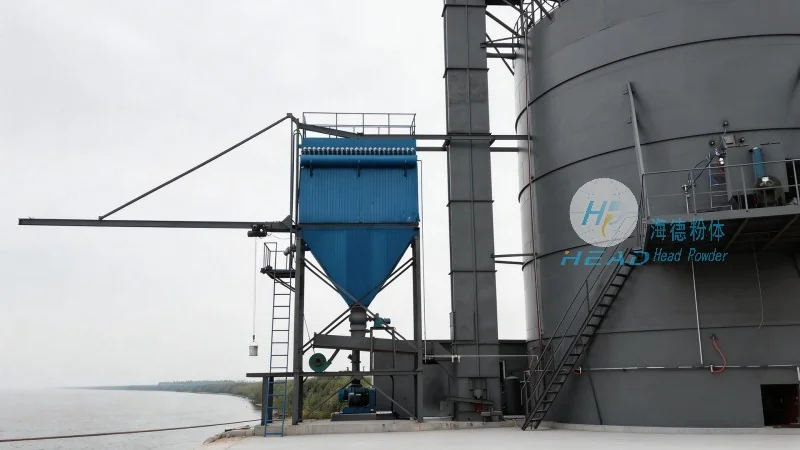
Second, the pipeline design is crucial. The diameter and material of the pipeline must be chosen to minimize friction losses and prevent particle buildup. Smooth, corrosion-resistant materials like stainless steel are commonly used to handle the chemical properties of soap granules. The pipeline layout should also include features like bends, elbows, and expansion joints to accommodate changes in direction and reduce pressure drop. Additionally, the system may include filters and cyclones to separate the powder from the air, ensuring that the material is delivered to the destination without contamination.
Role of HeadPowder in Design and Implementation
Shandong HeadPowder Engineering Co., Ltd., commonly known as HeadPowder, is a leading provider of pneumatic conveying solutions tailored for industries handling fine powders, including soap granules. With years of experience in the field, HeadPowder specializes in designing and manufacturing customized pneumatic conveying systems that meet the unique requirements of each client. The company's team of engineers works closely with clients to understand their operational needs, material characteristics, and production goals, ensuring that the final system is both efficient and cost-effective.
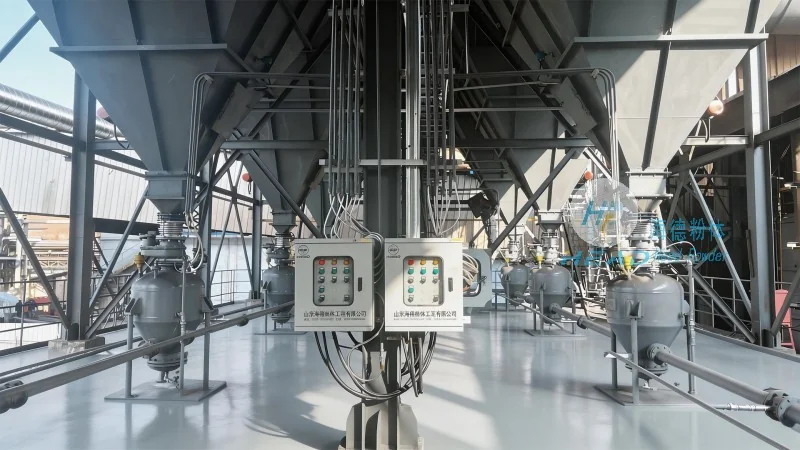
HeadPowder's approach to soap granule pneumatic conveying design emphasizes the integration of advanced technology with practical application. The company utilizes state-of-the-art simulation tools to model the conveying process, allowing for the optimization of system parameters before construction. This includes analyzing air velocity, pressure drop, and material flow to ensure that the system operates within safe and efficient limits. Furthermore, HeadPowder provides comprehensive support throughout the project lifecycle, from initial consultation and system design to installation, commissioning, and ongoing maintenance.
Benefits of Using Pneumatic Conveying for Soap Granules
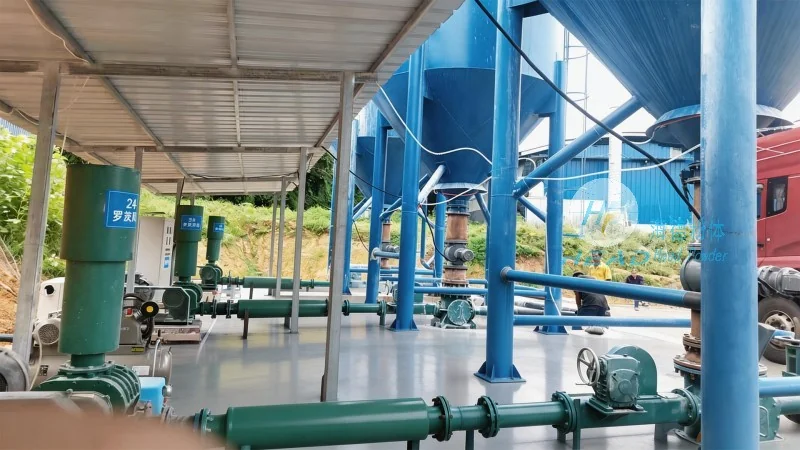
Implementing a pneumatic conveying system for soap granules offers several advantages over traditional methods. First, it eliminates the need for manual handling, reducing the risk of product contamination and improving workplace safety. The dust-free operation also minimizes the environmental impact and the need for additional dust control measures. Second, the system allows for precise control over the flow rate and pressure, ensuring consistent product delivery to downstream processes like mixing, packaging, or storage. This consistency is critical for maintaining product quality and meeting regulatory standards.
Third, pneumatic conveying systems are highly flexible and can be easily integrated into existing production lines. They can handle varying material loads and can be expanded or modified as production needs change. For soap granule manufacturers, this adaptability is particularly valuable, as it allows them to scale their operations without significant capital investment. Additionally, the system's ability to transport materials over long distances without the need for intermediate storage or handling points reduces operational costs and improves overall efficiency.