

What is Dry Lime Powder Pneumatic Conveying? What Are the Design Principles?
Dry lime powder pneumatic conveying is a specialized method used to transport dry, fine powders like lime through a pipeline using pressurized air or gas. This technology is crucial in industries where handling such materials efficiently and safely is essential. The design principles behind this system are complex and require careful consideration of material properties, system pressures, and operational requirements.
Understanding Dry Lime Powder Pneumatic Conveying
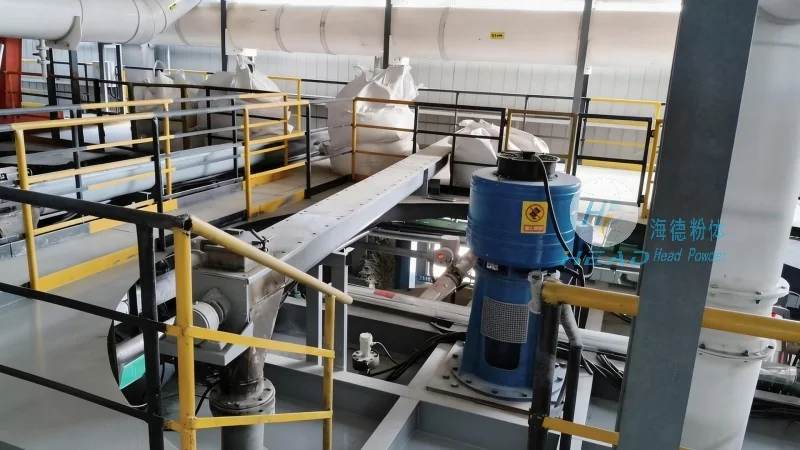
Dry lime powder, often used in industrial processes for applications like flue gas desulfurization and water treatment, presents unique challenges during transportation. Unlike bulk materials, dry powders can be prone to caking, segregation, and dust generation, which can impact system performance and safety. Pneumatic conveying offers a solution by using air to move the material through a sealed system, minimizing exposure to the environment and reducing the risk of contamination.
The Role of HeadPowder in Pneumatic Conveying Systems
Shandong HeadPowder Engineering Co., Ltd., a leading provider of pneumatic conveying solutions, specializes in designing and manufacturing systems tailored to the specific needs of dry lime powder applications. With years of experience in the industry, HeadPowder has developed expertise in handling the unique characteristics of lime powders, ensuring efficient and reliable transport. The company’s approach focuses on understanding the material’s flow properties, particle size distribution, and moisture content to optimize system design.
Key Design Principles for Dry Lime Powder Conveying
The design of a dry lime powder pneumatic conveying system involves several critical principles that ensure optimal performance. First, the choice of conveying method—whether it’s pressure or vacuum—depends on the distance, height, and material characteristics. Pressure systems are typically used for long-distance or vertical transport, while vacuum systems are suitable for shorter distances or when material is to be collected from multiple sources.
Second, the selection of equipment, such as the feeder, pipeline, and receiver, is crucial. The feeder must be capable of handling the dry lime powder without causing blockages or uneven flow. Common feeders include rotary valves, star feeders, and screw feeders, each with specific advantages depending on the material’s properties. The pipeline design must consider factors like material abrasiveness, which can affect the wear rate of components, and the need for proper cleaning to prevent clogging.
System Components and Their Function in Dry Lime Powder Conveying
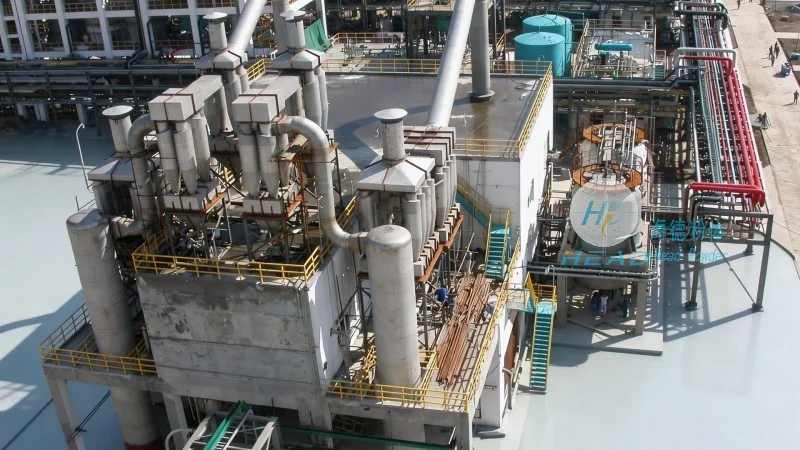
A typical dry lime powder pneumatic conveying system consists of several key components that work together to ensure efficient transport. The feeder is responsible for introducing the dry lime powder into the system at a controlled rate. The pipeline transports the material and air mixture to the receiver, where the material is deposited. The receiver is designed to collect the dry lime powder and may include features like a dust filter to prevent air leakage and maintain system pressure.
Compressors or vacuum pumps provide the necessary pressure or suction to move the material through the system. The choice of compressor depends on the system’s pressure requirements and the volume of material to be transported. In addition, filters and cyclones are used to separate the dry lime powder from the air, ensuring that the material is collected efficiently and the air is cleaned before being released back into the environment.
Advantages of Dry Lime Powder Pneumatic Conveying
Implementing a dry lime powder pneumatic conveying system offers several advantages over traditional methods like belt conveyors or bucket elevators. One of the primary benefits is the ability to handle fine powders without the risk of segregation or caking, which can lead to uneven material distribution. The sealed system also reduces dust exposure, improving workplace safety and environmental compliance.
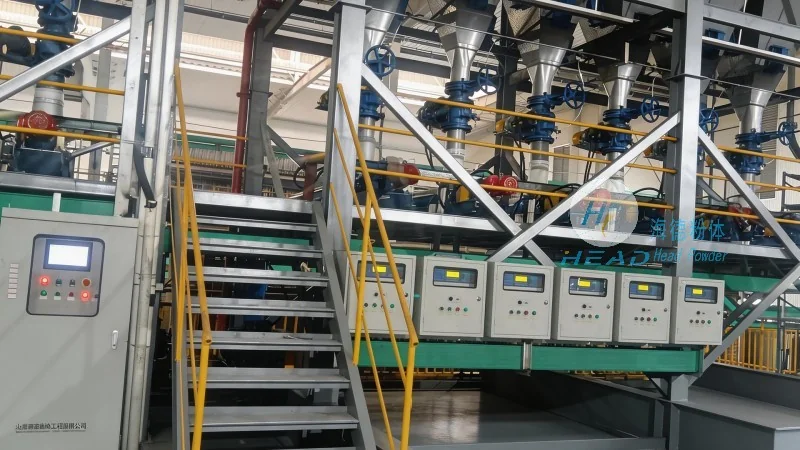
Additionally, pneumatic conveying systems can be designed to transport dry lime powder over long distances and vertical heights, making them suitable for complex industrial layouts. The flexibility of the system allows for easy integration with existing processes, and the ability to control flow rates provides better process control. These advantages make pneumatic conveying an attractive option for industries that rely on dry lime powder in their operations.
Challenges and Solutions in Dry Lime Powder Conveying
Despite its benefits, dry lime powder pneumatic conveying also presents challenges that must be addressed during system design. One common issue is material buildup or clogging in the pipeline or equipment, which can reduce system efficiency and increase maintenance costs. To mitigate this, HeadPowder recommends using materials with high wear resistance, such as stainless steel or special alloys, for components that come into contact with the dry lime powder.
Another challenge is the potential for dust explosions, which can occur if the dry lime powder is suspended in air and ignited. Proper explosion protection measures, such as spark arrestors and dust collectors, are essential to ensure system safety. Additionally, the system must be designed to handle variations in material properties, such as changes in moisture content or particle size, which can affect flow characteristics.
Conclusion: The Importance of Proper Design in Dry Lime Powder Pneumatic Conveying
Designing an effective dry lime powder pneumatic conveying system requires a deep understanding of the material’s properties and the operational requirements of the application. Shandong HeadPowder Engineering Co., Ltd. leverages its expertise to provide customized solutions that address these challenges and ensure reliable, efficient transport of dry lime powder. By adhering to the key design principles and using appropriate equipment, industries can maximize the benefits of pneumatic conveying while minimizing risks and operational costs.