

Pneumatic Conveying of Manganese Carbonate Powder: Understanding Design Principles
Manganese carbonate powder, a critical raw material in various industrial applications, often requires efficient and reliable material handling solutions. Pneumatic conveying stands out as a preferred method for transporting such powders due to its ability to handle fine particles, minimize dust exposure, and maintain product integrity. This article delves into the fundamental aspects of pneumatic conveying for manganese carbonate powder and explores the key design principles that ensure optimal performance.
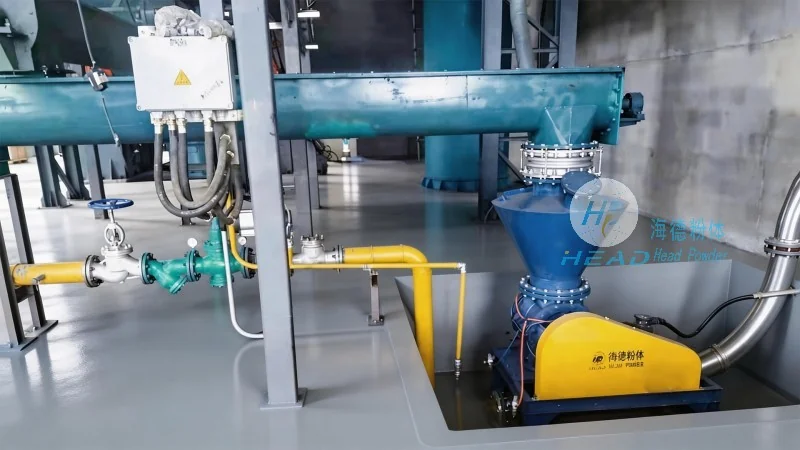
Understanding Pneumatic Conveying Systems
Pneumatic conveying systems utilize air or gas to transport solid particles through a pipeline. The process involves several core components, including a material feed device, a conveying line, a separation unit, and a dust collection system. For manganese carbonate powder, the system must be tailored to handle the specific properties of the material, such as particle size, density, and moisture content. The choice between positive and negative pressure systems depends on factors like the distance to be covered, the required flow rate, and the nature of the powder.
Key Design Principles for Manganese Carbonate Powder Conveying
The design of a pneumatic conveying system for manganese carbonate powder is governed by several critical principles aimed at maximizing efficiency, safety, and operational longevity. First, the system must ensure consistent and uniform material flow to prevent blockages or uneven distribution. This is achieved through proper feed mechanisms, such as rotary valves or screw feeders, which control the rate of material introduction into the conveying line. Second, the selection of appropriate air velocity is paramount. Insufficient velocity may lead to particle settling or system clogging, while excessive velocity can cause excessive wear on components and energy inefficiency. Engineers typically use empirical formulas or computational fluid dynamics (CFD) simulations to determine the optimal air velocity for a given powder.
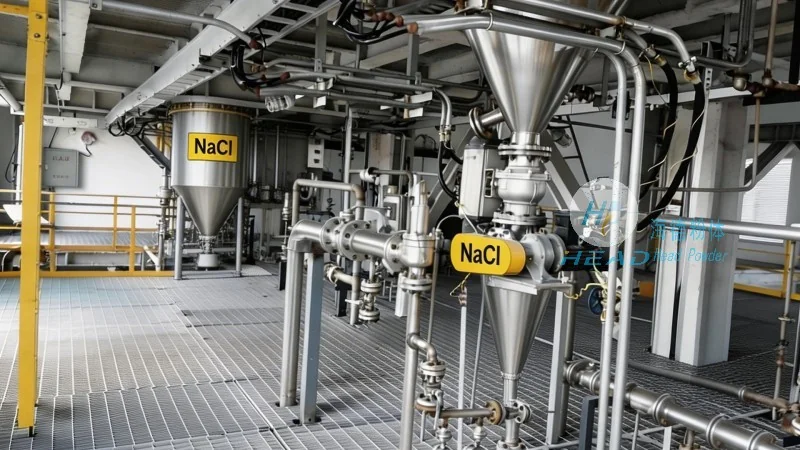
System Components and Their Role in Manganese Carbonate Powder Handling
Each component of a pneumatic conveying system plays a vital role in the successful transport of manganese carbonate powder. The material feed device, often a rotary valve or a star feeder, ensures a steady supply of powder into the conveying line, preventing surges or interruptions. The conveying line itself is designed with smooth, corrosion-resistant materials to minimize friction and particle degradation. For longer distances, multiple sections of the line may be connected, with intermediate separators to remove entrained air and prevent pressure drops. The separation unit, typically a cyclone or a baghouse, separates the powder from the air stream, allowing the powder to be collected in a hopper or storage silo. Finally, the dust collection system ensures compliance with environmental regulations and maintains a clean working environment.
Considerations for Material Properties in Design
The unique properties of manganese carbonate powder significantly influence the design of the pneumatic conveying system. For instance, the powder's particle size distribution affects the required air velocity and the risk of clogging. Coarser particles may require higher air velocities to maintain flow, while finer particles are more prone to agglomeration and require additional measures, such as moisture control or the use of anti-caking agents. The density and bulk density of the powder also impact the system's capacity and energy consumption. Engineers must account for these properties to design a system that operates efficiently and reliably over time.
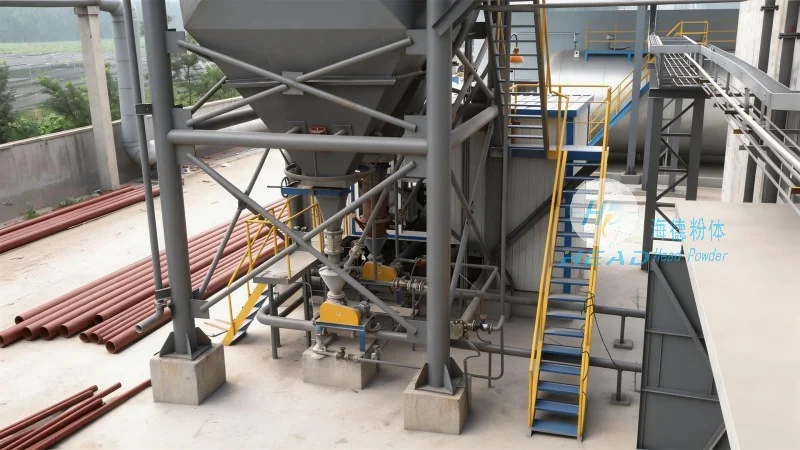
Energy Efficiency and Operational Costs
Energy consumption is a critical factor in the design and operation of pneumatic conveying systems for manganese carbonate powder. The choice of air compressor type, whether positive displacement or centrifugal, affects both energy use and system pressure. Positive displacement compressors are often preferred for their ability to maintain consistent pressure, even at low flow rates, which is beneficial for handling fine powders. However, they may have higher energy costs compared to centrifugal compressors for high-volume applications. Additionally, the system's pressure drop across the conveying line and components must be minimized to reduce energy consumption. Proper maintenance, including regular cleaning of filters and separators, is essential to maintain optimal performance and prevent energy inefficiencies.
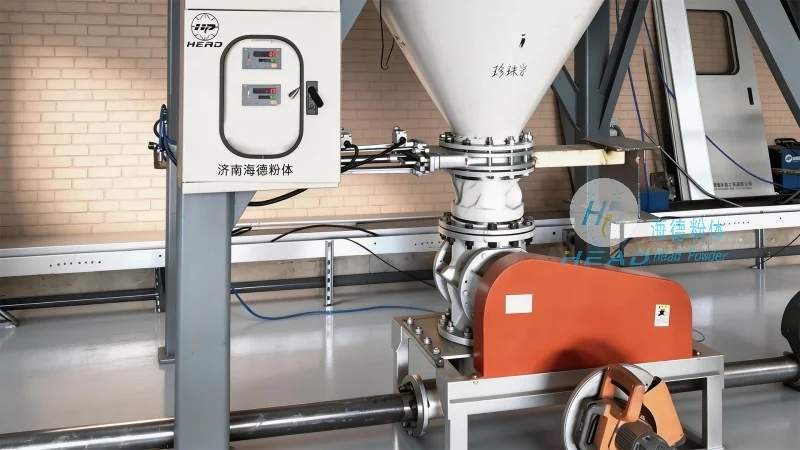
Ensuring Product Integrity and Safety
During pneumatic conveying, it is crucial to maintain the integrity of the manganese carbonate powder. High air velocities or abrasive components can cause particle attrition, leading to changes in particle size and potentially affecting downstream processes. Therefore, the system design must include features that minimize particle impact and wear. For example, using smooth, rounded elbows and reducing the number of bends in the conveying line can help preserve particle size. Additionally, the system must be equipped with safety features, such as pressure relief valves and dust explosion suppression systems, to prevent accidents and ensure compliance with safety regulations.
Conclusion
Pneumatic conveying of manganese carbonate powder is a sophisticated process that requires careful consideration of material properties, system design, and operational parameters. By adhering to the key design principles outlined above, engineers can develop efficient and reliable systems that meet the demands of industrial applications. The expertise of companies like Shandong HeadPowder Engineering Co., Ltd. in designing and implementing such systems ensures that clients receive tailored solutions that enhance productivity, reduce costs, and maintain product quality. With a focus on innovation and adherence to industry standards, these systems play a vital role in the efficient handling of manganese carbonate powder across various industries.