News
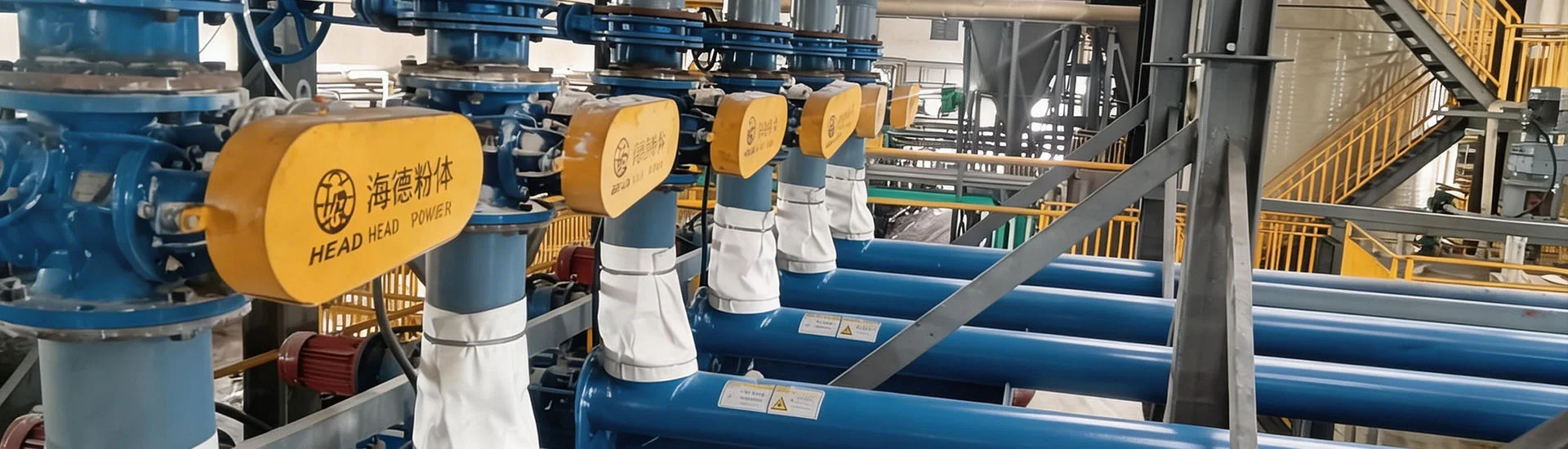
Rich project cases across industries, showing real implementation and proven technical strength.In the modern grain processing and cereal manufacturing industry, the efficiency of material handling directly influences production throughput, product quality, and operational safety. Pneumatic conveying systems have become indispensable for moving bulk cereals such as wheat, corn, rice, barley, oats, and processed flakes through closed pipelines using air pressure or vacuum. As the global market for cereals continues to expand—projected to exceed 3.2 billion metric tons by 2026 according to industry analyses—the demand for reliable, hygienic, and automated conveying solutions has never been higher. Manufacturers face mounting pressure to reduce dust emissions, minimize product degradation, and optimize energy consumption while maintaining continuous 24/7 operations. This article provides a detailed specification guide for cereal pneumatic conveying equipment, covering system architecture, key components, performance parameters, selection criteria, and real-world application insights. The goal is to equip plant managers, process engineers, and procurement professionals with actionable knowledge to specify, evaluate, and deploy pneumatic conveying systems that meet both current production needs and future scalability requirements.
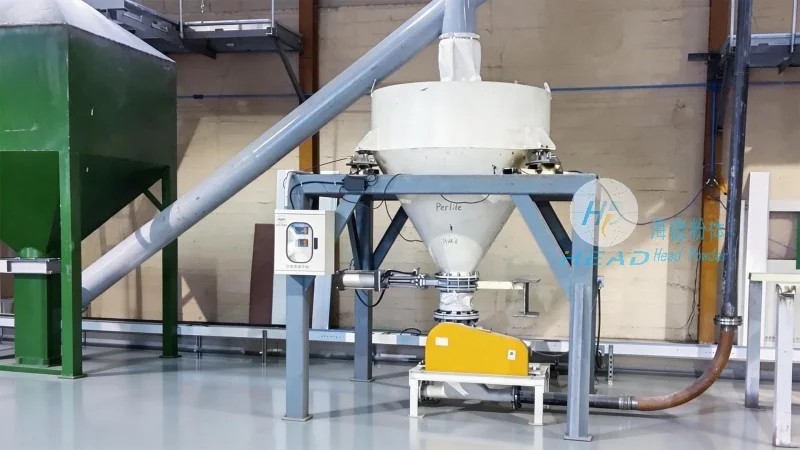
Pneumatic conveying offers distinct advantages over mechanical conveyors when handling cereals: it eliminates mechanical wear parts, reduces cross-contamination risks, enables flexible routing in complex facility layouts, and creates a fully enclosed environment that prevents moisture ingress and pest intrusion. However, success hinges on proper system design tailored to the specific cereal characteristics—particle size distribution, bulk density, moisture content, friability, and flowability. A poorly designed system can lead to pipeline blockages, excessive particle breakage, high energy bills, and frequent maintenance downtime. Therefore, a standardized yet customizable solution specification is essential. Headpowder, a company with extensive experience in powder and granular material handling, has developed a comprehensive approach to cereal pneumatic conveying that balances efficiency, durability, and cost-effectiveness. This article draws on that expertise to present an authoritative reference for engineers seeking to upgrade or install new conveying lines.
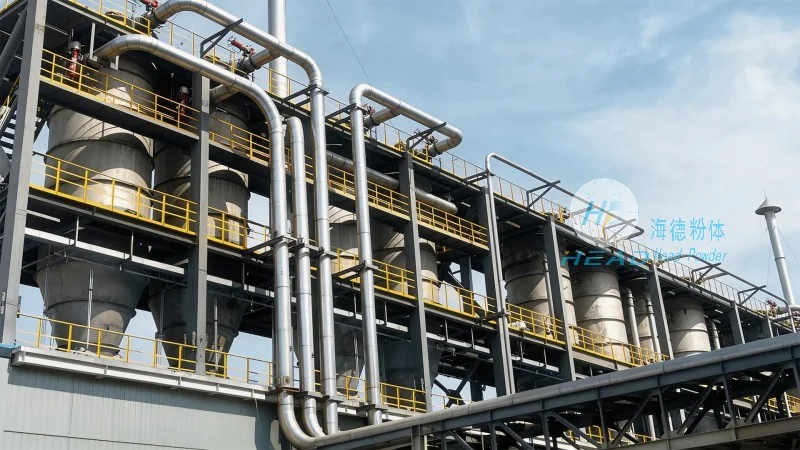
Every pneumatic conveying solution for cereals comprises several interconnected subsystems, each playing a critical role in maintaining consistent material flow. The primary components include the material feeding device, pipeline network, air mover, separation equipment, and control system. Understanding the function and selection criteria for each part is fundamental to achieving reliable performance.
Feeding systems are often the most challenging element because cereals have irregular shapes and can bridge or rathole in hoppers. Rotary airlocks, screw feeders, or venturi eductors are commonly used, but the choice depends on the material’s bulk density (typically 0.5–0.8 t/m³ for grains) and flow characteristics. For fragile cereals like expanded flakes or puffed rice, a gentle feeding method that minimizes impact is required. Headpowder’s solution incorporates low-shear rotary valves with adjustable pocket geometry to handle a wide range of cereal textures without excessive degradation.
The pipeline system must be designed to maintain an optimal air-to-material ratio. Dilute phase conveying, where particles are suspended in high-velocity air (15–30 m/s), works well for free-flowing grains like wheat and corn. For more delicate or cohesive products, dense phase conveying at lower velocities (3–8 m/s) reduces breakage but requires higher pressure. Pipeline material is typically stainless steel or aluminum to prevent corrosion and meet food-grade standards. Smooth internal surfaces and gentle bends with large radii (minimum 10 pipe diameters) are essential to minimize wear and particle damage. Headpowder’s standard specification includes wear-resistant elbows with replaceable backing plates, extending pipeline life by up to three times compared to standard bends.
Air movers—either positive displacement blowers for pressure systems or vacuum pumps for suction systems—must be sized based on total pressure drop, conveying distance, and capacity. For a typical cereal conveying line of 50–200 meters, a pressure of 0.5–1.5 bar is common in dilute phase, while dense phase may require 2–4 bar. Variable frequency drives (VFDs) are recommended to adjust airflow dynamically according to production rate, yielding 20–30% energy savings over fixed-speed units. Headpowder integrates IoT-enabled sensors that monitor motor current and air velocity, allowing predictive maintenance and remote tuning.
Separation equipment at the discharge end must efficiently recover conveyed product from the airstream. Cyclones, bag filters, or cartridge filters are standard, with collection efficiency exceeding 99.5% for particles larger than 10 µm. For fine cereal dust, a secondary filtration stage using reverse-pulse jet cleaning ensures compliance with occupational exposure limits (e.g., OSHA permissible exposure limit of 10 mg/m³ for total dust). Gravity separators or vibratory sieves can be added downstream to classify broken kernels and fines, improving final product quality.
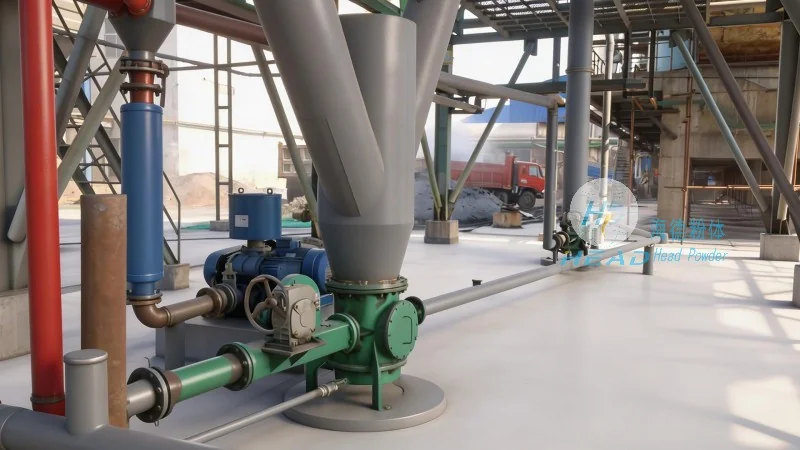
To facilitate proper system selection, a detailed specification table should include the following critical parameters. Conveying capacity is typically expressed in metric tons per hour (t/h), ranging from 1 t/h for small-scale bakeries to 100 t/h for large grain terminals. The nominal pipe diameter is selected based on the desired capacity and particle size: for whole grains, 80–150 mm diameter is common; for flakes or powders, 50–100 mm suffices. The conveying distance includes both horizontal length and vertical lift, with each vertical meter adding approximately 1.5–2 times the pressure drop of one horizontal meter. The air-to-material ratio (kg air per kg material) in dilute phase is usually 2–6, while dense phase operates at 0.5–2. System pressure drop should be calculated using the Darcy-Weisbach equation modified for two-phase flow, with grain friction coefficients validated through pilot testing.
Temperature and humidity also affect performance. Cereals with moisture content above 14% can become sticky, increasing adhesion to pipe walls. In humid environments (relative humidity > 70%), condensation in the pipeline may cause clumping. Headpowder’s solution includes optional dehumidification units and trace heating for pipes in cold climates, ensuring consistent flow year-round. Noise levels are another consideration—pneumatic conveying systems can generate 85–95 dB(A) at the blower; hence, acoustic enclosures and silencers should be part of the specification to meet workplace noise standards below 85 dB(A).
Maintenance intervals are equally important. A well-designed system should require no more than 4–6 hours of routine inspection per month, including filter cleaning, rotary valve seal replacement, and blower oil changes. Headpowder’s design incorporates oil-less blowers for reduced maintenance, and quick-clean access ports at key points to minimize downtime. The overall system availability target is above 98% under normal operating conditions.
Choosing between a pressure or vacuum system, dilute or dense phase, depends on several factors. For multiple discharge points, a pressure system with a single blower feeding branched pipelines is more economical. For single-point delivery from multiple sources, a vacuum system using a central filter receiver is preferable. When conveying fragile cereals like breakfast cereal flakes or puffed grains, dense phase conveying is strongly recommended to limit particle breakage to less than 2% by weight. For robust whole grains, dilute phase with appropriately sized elbows can achieve breakage rates below 0.5%.
Material properties must be tested before finalizing the solution. Flow function tests using a Jenike shear cell can determine the cohesive strength of the cereal at various moisture levels. For example, corn with 13% moisture may behave as a free-flowing solid, but at 15% it can become moderately cohesive, requiring a larger arcing angle in the hopper or a vibrated feeder. Headpowder offers a complementary material characterization service that provides precise parameters—angle of repose (30–45° for most cereals), wall friction angle (10–20° for stainless steel), and bulk density—so that the conveying system is tailored exactly to the product.
Cost considerations go beyond initial capital expenditure. Total cost of ownership includes energy consumption, spare parts, labor for cleaning, and potential product loss. A dense phase system typically costs 20–40% more upfront than dilute phase but can reduce energy usage by up to 50% and virtually eliminate particle damage, offering payback within 12–18 months for high-value cereals. Headpowder provides a comprehensive lifecycle cost analysis for each project, helping clients justify the investment with concrete ROI numbers.
To illustrate the practical impact of proper specification, consider a mid-sized cereal plant producing 40 t/day of wheat flour and semolina. The existing mechanical bucket elevator system suffered from frequent belt slippage, product spillage, and pest contamination risks. After evaluating alternatives, the plant installed a dilute phase pressure conveying system from Headpowder, including a rotary airlock feeder, 100 mm SS304 pipeline with 1500 mm radius bends, a 75 kW positive displacement blower with VFD, and a cyclone-filter combination. The new system achieved a conveying capacity of 10 t/h over a 120 m horizontal and 20 m vertical route. Within six months, the plant reported a 15% reduction in energy cost per ton, near-zero spillage, and a 30% drop in clean-in-place downtime. More importantly, the enclosed system eliminated bird and rodent entry points, contributing to a successful BRC food safety audit.
Another case involved a specialty cereal company producing high-protein puffed quinoa. The product is extremely fragile, with a bulk density of only 0.15 t/m³. Traditional dilute phase conveying caused over 10% breakage. Headpowder designed a gentle dense phase system using a low-pressure blow tank with a fluidizing cone, operating at 0.3 bar and 4 m/s air velocity. The pipeline incorporated flexible rubber hoses at transition points to absorb shock. Final breakage rates dropped to 0.8%, saving the company thousands of dollars annually in product waste. The system also included a wireless temperature sensor to monitor product temperature during conveying, preventing thermal degradation.
A pneumatic conveying solution for cereals must comply with stringent food safety regulations such as FDA 21 CFR (for food-contact surfaces), EU 1935/2004, and local hygiene codes. All components in contact with product should be constructed from 304 or 316L stainless steel with a surface finish of Ra ≤ 0.8 µm to prevent bacterial adhesion. Welds must be ground smooth and free of crevices. Headpowder’s equipment is designed to CIP (clean-in-place) capability, with spray balls and drain points that allow hot water and detergent circulation without dismantling the pipeline.
Safety systems include explosion venting for potential dust explosions. Although cereals are generally not explosive as whole grains, fine dust generated during conveying can form combustible clouds. ATEX-rated components, pressure relief panels, and spark detection systems are integrated into the specification where required. Interlocks ensure that access doors cannot be opened while the system is pressurized. Emergency stop buttons are placed at every operator station.
Regular inspection schedules should include visual checks of pipe wear (every 3 months), air leak detection (monthly via ultrasonic sensors), and rotary valve seal replacement (annually or every 2000 operating hours). Headpowder provides a digital maintenance log accessible through a cloud portal, allowing plant managers to track sensor data, pressure trends, and filter loading in real time. This proactive approach reduces unplanned downtime by up to 40%.
With over a decade of focused engineering in pneumatic conveying for bulk solids, Headpowder brings deep domain knowledge combined with a modular design philosophy. Every cereal conveying solution is customized using a library of pre-engineered modules—rotary valves, blow tanks, diverter valves, filter receivers—which reduces engineering lead time while ensuring proven reliability. The company’s test laboratory can simulate conveying conditions with actual customer material before committing to a full-scale system, providing verified performance data that eliminates guesswork. Headpowder also supports clients through installation supervision, operator training, and ongoing remote diagnostics. For a detailed consultation tailored to your cereal product characteristics and plant layout, contact Headpowder directly. (咨询热线:156-6277-7102)
As the cereal industry moves toward higher automation, stricter hygiene standards, and lower carbon footprints, the specification of pneumatic conveying equipment becomes a strategic decision. A well-designed system goes beyond simply moving material—it protects product quality, enhances energy efficiency, simplifies cleaning, and provides data for continuous improvement. By understanding the fundamental parameters of cereal flow behavior, careful selection of components, and integration of smart monitoring, processors can achieve conveying solutions that deliver consistent performance over years of operation. Headpowder’s solution specification framework, grounded in real-world testing and modular construction, offers a reliable path to achieving these goals. Whether upgrading an existing line or commissioning a greenfield facility, investing in a properly specified pneumatic conveyor pays dividends through reduced waste, improved uptime, and greater operational flexibility. The future of cereal handling is closed, clean, and intelligent—partner with a specialist who understands the nuance of every grain.

 Shandong headpowder Engineering Co., Ltd.
 156-6277-7102(Manager Zhang)
  0531-83386006
  Jinan City, Shandong Province, China
服务热线
微信咨询
回到顶部