News
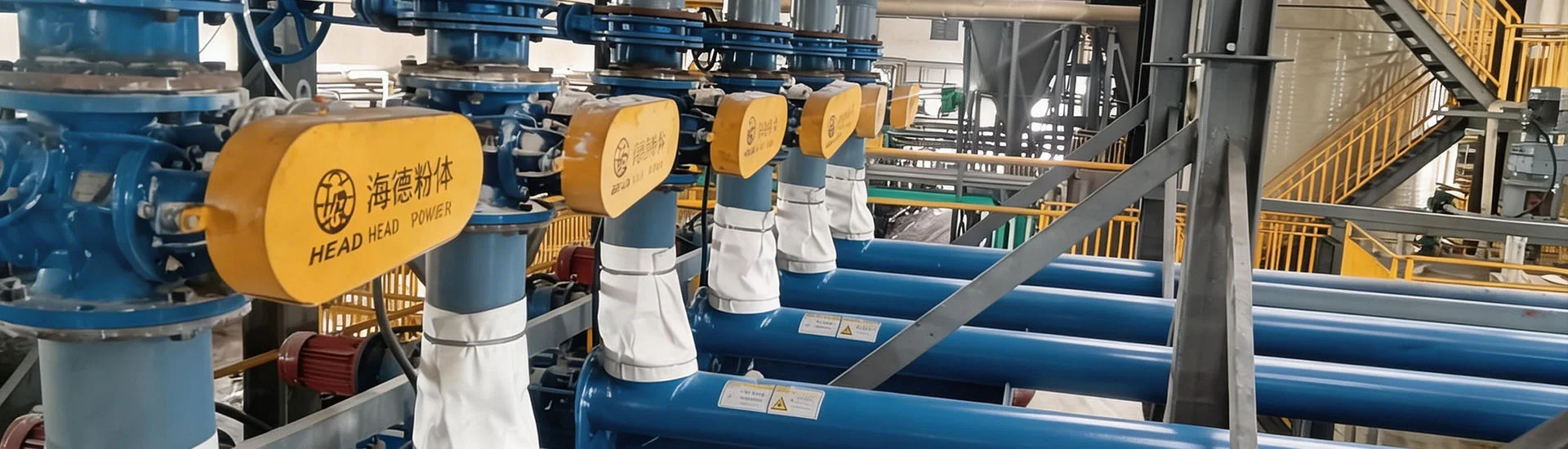
Rich project cases across industries, showing real implementation and proven technical strength.In the evolving landscape of industrial material handling, small material pneumatic conveying equipment systems have become indispensable for industries looking to move powders, granules, and other fine materials efficiently and safely. These systems offer a closed, dust-free, and automated approach to transporting bulk solids across production lines, storage areas, and packaging stations. Whether it is in the food processing industry, chemical manufacturing, pharmaceuticals, or mineral processing, the ability to convey lightweight, small-particle materials without mechanical wear and tear is a significant operational advantage. This article provides a thorough, professionally grounded exploration of small material pneumatic conveying systems—covering their design principles, types, key components, selection criteria, and industry trends. The goal is to deliver actionable, authoritative knowledge that supports informed decision-making, while highlighting how reliable system integration can drive productivity and compliance.
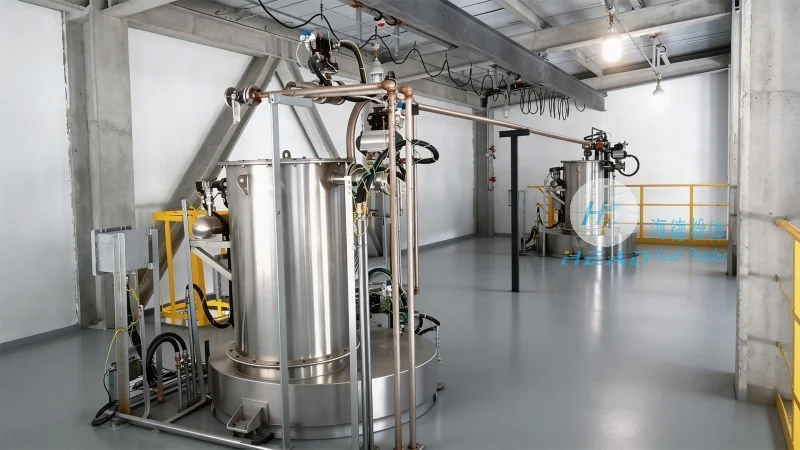
Pneumatic conveying relies on a moving air stream to transport bulk materials through a closed pipeline. For small material applications—typically powders with particle sizes below 1 mm and bulk densities ranging from 50 to 800 kg/m³—the system must be designed to prevent agglomeration, degradation, or separation. The fundamental physics involves creating a pressure differential that suspends particles in the airflow, allowing them to travel from a feeding point to a receiving vessel. Depending on the material's characteristics (e.g., abrasiveness, moisture content, flowability), the design velocity, air-to-material ratio, and pipe material must be carefully calibrated. Excessive velocity can cause particle attrition and pipe wear, while insufficient velocity leads to settling and blockages. For many small materials such as flour, starch, silica, or active pharmaceutical ingredients, dilute phase conveying at velocities between 15 and 30 m/s is common. However, for fragile materials, dense phase conveying at lower velocities (1–8 m/s) is preferred. These fundamental principles serve as the foundation for customizing a system that matches specific operational requirements.
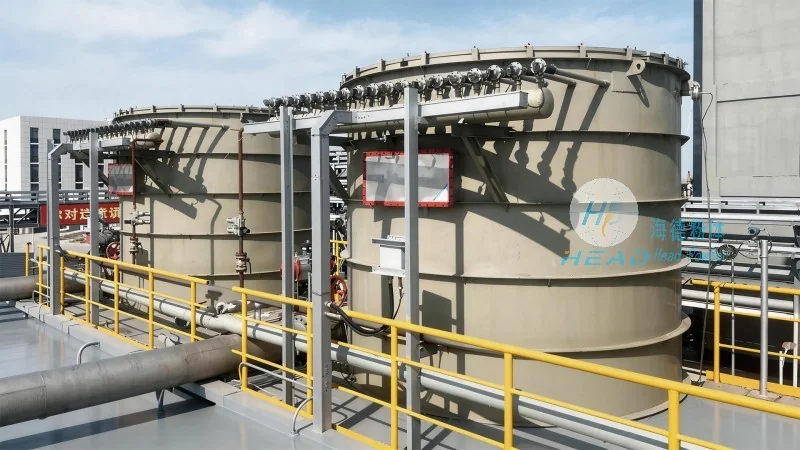
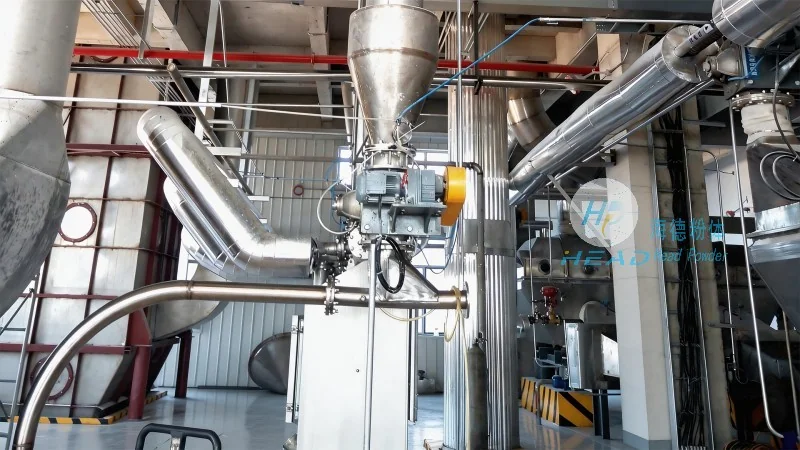
When selecting a conveying system for small materials, understanding the two primary operational modes—dilute phase and dense phase—is essential. Each has distinct advantages and is suited to different material properties and processing goals.
In dilute phase conveying, the material is continuously suspended in the air stream at high velocity. This method is cost-effective for transporting non-abrasive, free-flowing small materials over relatively short distances (typically up to 100 meters). The pressure drop is relatively low, and the equipment can be simpler—often using a positive displacement blower or a fan. However, because of the high particle velocity, dilute phase systems may cause erosion in bends and particle degradation if the material is friable. They are widely used in grain handling, plastic pellet transfer, and bulk powder loading. For many small material applications where throughput is moderate and material integrity is not highly critical, dilute phase offers an efficient solution.
Dense phase conveying operates at lower gas velocities, moving material as a slug or slug flow along the pipeline. This regime is ideal for fragile, abrasive, or cohesive small materials. The reduced velocity minimizes particle breakage and pipe wear while also lowering air consumption. Systems typically require higher air pressure (up to 6 bar or more) and a pressure vessel or a blow tank to push material pulses. Applications include transporting carbon black, catalysts, cement, and many chemical powders. Dense phase systems are more complex and expensive upfront, but they provide better material protection and lower energy consumption per ton over long distances. For industries that must maintain stringent particle size distribution—such as advanced ceramics or battery material production—dense phase is often the only viable choice.
Another classification pertains to the direction of airflow. Vacuum conveying systems use negative pressure to draw material from multiple pick-up points to a single receiver. They are inherently dust-free because any leakage is inward, making them suitable for toxic or valuable materials. These systems are common for unloading from bulk bags or hoppers. Pressure conveying systems, on the other hand, push material from one point to multiple destinations. They are better for longer distances and higher throughputs. Many small material applications, especially in the pharmaceutical and food industries, combine both vacuum and pressure stages to achieve both dust control and distribution flexibility. Knowing when to apply each type depends on the plant layout, material characteristics, and regulatory requirements (e.g., ATEX zones, FDA cleanability).
Regardless of the type, every pneumatic conveying system for small materials is built around several critical components. Understanding the function of each helps in specifying a reliable, maintainable solution. The following list outlines the main hardware elements and their roles:
Designing an optimal small material pneumatic conveying system requires a methodical evaluation of several parameters. No formula applies universally; each material’s properties dictate the system architecture. Below are the key factors that engineers must assess:
Choosing the right partner for system design is critical. headpowder, an experienced provider of pneumatic conveying solutions, brings deep technical knowledge combined with a portfolio of field-tested equipment. Whether the goal is to convey cohesive additives, fragile pharmaceutical intermediates, or abrasive mineral powders, a tailored approach ensures long-term reliability.
The versatility of small material pneumatic conveying systems is demonstrated across multiple industrial sectors. Here are several representative applications where these systems add measurable value:
These case examples highlight that the right system not only improves material flow but also enhances safety, reduces downtime, and ensures consistent product quality—benefits that directly impact the bottom line. headpowder's engineering team has been involved in similar projects, offering both standard modular units and custom-engineered solutions that meet the most demanding specifications.
The global pneumatic conveying market is projected to experience steady growth through 2026, driven by automation, sustainability requirements, and the expansion of high-growth industries like lithium-ion battery production and advanced composites. According to recent industry analyses, the demand for dense phase systems is rising faster than dilute phase, particularly in chemical and pharmaceutical sectors, as companies prioritize material integrity and low energy consumption. Another trend is the integration of IoT sensors for predictive maintenance. Modern systems can now monitor pipe wear, pressure fluctuations, and air flow in real time, with machine learning algorithms predicting blockages before they occur. Energy efficiency continues to be a focus; variable frequency drives (VFDs) on blowers and compressors can reduce energy usage by up to 30% compared to fixed-speed operation. Additionally, the adoption of vacuum-based systems with regenerative blowers is expanding in hygienic industries because they produce no oil contamination and require less maintenance. For small material handling, the ability to handle multiple material types in a single line without cross-contamination is becoming a standard requirement. Modular system designs that allow quick changeovers and cleaning are increasingly popular in contract manufacturing environments.
A pneumatic conveying system, even when well-designed, requires regular attention to sustain its performance over years. The following best practices help extend equipment life and maintain consistent material flow:
Implementing a digital twin or a simulation-based maintenance schedule can further optimize operations. Many leading manufacturers now offer remote diagnostics as part of their service packages. For companies seeking a reliable partner for both system design and after-sales support, headpowder provides comprehensive services including commissioning, training, and spare parts supply. The engineering team can also conduct audits to identify efficiency improvements and upgrade paths for existing installations.
Choosing the right equipment supplier is a strategic decision that affects plant safety, productivity, and regulatory compliance. headpowder brings more than a decade of focused experience in designing and manufacturing pneumatic conveying equipment for small bulk solids. The company’s product line includes rotary airlocks, diverter valves, filter receivers, and complete system packages—all built to international standards. What sets headpowder apart is the depth of application engineering: each system is modeled using computational fluid dynamics (CFD) to predict material flow behavior, ensuring that the design velocity, pipe layout, and component sizing are precisely matched to the client’s material. Furthermore, headpowder’s commitment to quality is reflected in its ISO 9001 certification and the use of traceable materials. Customers in sectors ranging from food ingredients to advanced ceramics rely on headpowder for durable, hygienic, and energy-efficient solutions. Every system is backed by a rigorous testing procedure before shipment, and the team provides on-site installation support worldwide. For new projects, retrofits, or upgrades, the company offers free consultations to evaluate the specific challenges and propose cost-effective approaches. To explore how a tailored small material pneumatic conveying system can transform your material handling process, reach out directly. headpowder welcomes inquiries and technical discussions at (咨询热线:156-6277-7102).
Small material pneumatic conveying systems represent a technically mature yet continuously evolving field. The ability to transport fine powders and granules with minimal degradation, zero fugitive dust, and high energy efficiency is no longer a luxury—it is a necessity for competitive manufacturing. As regulatory pressure on emissions and worker safety increases, and as supply chains demand faster, cleaner transfers, automated pneumatic solutions offer a clear path forward. Organizations that invest in robust system design and partner with experienced providers will be better positioned to adapt to shifting material requirements and production scales. The technology landscape is leaning toward smarter controls, higher material conservation, and modular architectures that simplify expansion. By understanding the fundamentals outlined in this article—from material property testing to component selection and maintenance—engineers and decision-makers can make informed investments. Whether the immediate need is a simple powder transfer line or a complex multi-material distribution system, the principles remain the same: start with a thorough analysis, design for the material’s specific behavior, and never compromise on safety and reliability. In the fast-paced environment of industrial production, a well-designed pneumatic conveying system is not just a handling tool—it is a central pillar of operational excellence.

 Shandong headpowder Engineering Co., Ltd.
 156-6277-7102(Manager Zhang)
  0531-83386006
  Jinan City, Shandong Province, China
服务热线
微信咨询
回到顶部