News
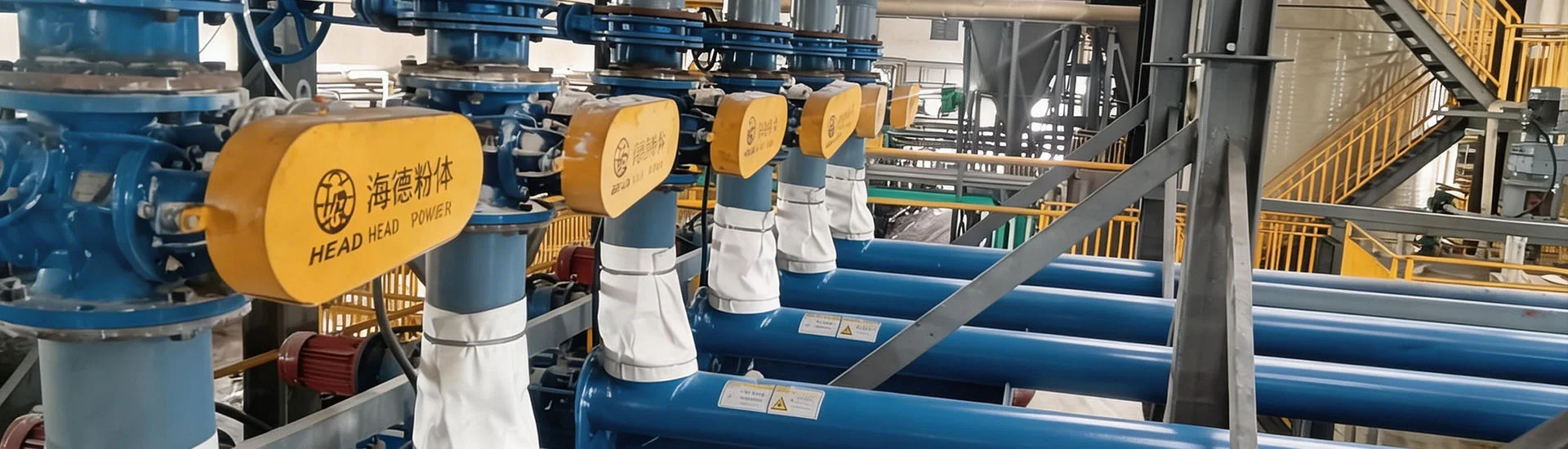
Rich project cases across industries, showing real implementation and proven technical strength.In modern grain processing and storage operations, the efficient movement of bulk materials such as corn kernels remains a critical factor influencing overall productivity and operational cost. Pneumatic conveying systems have emerged as a preferred method for transferring corn kernels through pipelines using air pressure or vacuum, replacing traditional mechanical conveyors in many high-demand facilities. The core advantage lies in the complete enclosure of the material flow, which minimizes dust emissions, reduces product contamination risks, and allows for flexible routing across multiple processing points. As we look toward 2026, the global agricultural processing industry is experiencing a steady shift toward automated, closed-loop material handling solutions. According to industry projections, the pneumatic conveying equipment market for grain handling is expected to grow at a compound annual rate of 6.8% through 2027, driven by increasing demand for food safety compliance and labor cost reduction. For corn kernel pneumatic conveying, the key technical challenge is balancing airflow velocity with kernel integrity—excessive speed can cause breakage and loss of valuable germ, while insufficient velocity leads to settling and blockages. A well-designed system must account for factors such as kernel moisture content, bulk density (typically 40–45 lb/ft³ for dry shelled corn), particle shape, and the conveying distance. This article provides a comprehensive overview of the design principles, equipment selection criteria, and operational best practices for corn kernel pneumatic conveying systems, with a focus on real-world applicability and long-term reliability.
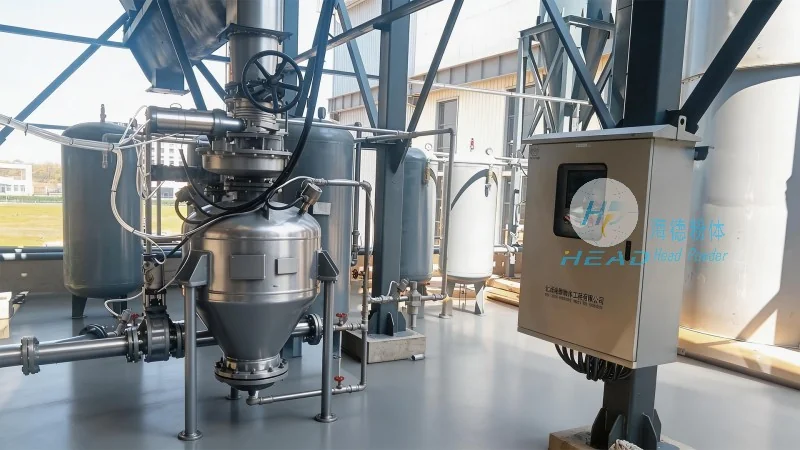
Pneumatic conveying systems for corn kernels generally fall into two main categories: dilute phase and dense phase conveying. The selection between these two depends heavily on the specific handling requirements, material characteristics, and facility layout.
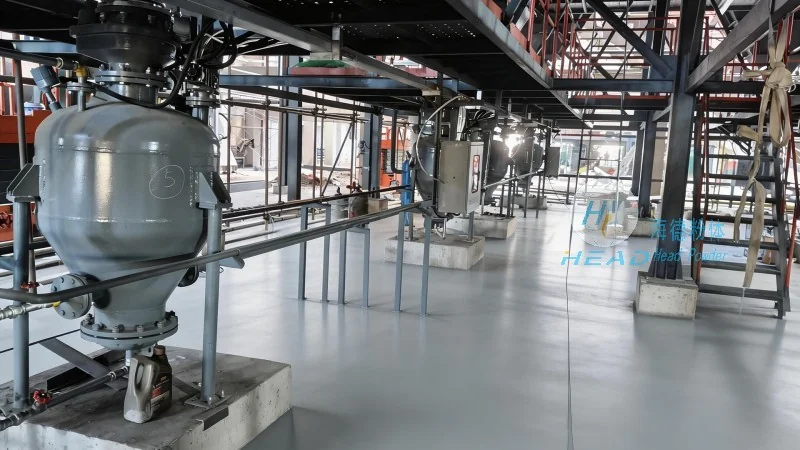
In dilute phase systems, corn kernels are suspended in a high-velocity airstream (typically 20–35 m/s) and transported through pipes with a relatively low material-to-air ratio. This method is widely used for short to medium distances (up to 100 meters) and is suitable for applications where throughput ranges between 5 and 50 tons per hour. The primary advantage is simplicity and lower initial equipment cost. However, the high velocity can cause kernel impact damage, especially at bends and elbows, resulting in an average breakage rate of 0.5–1.5% depending on the pipe layout and kernel hardness. For operations that prioritize gentle handling, such as seed corn processing or high-value specialty corn, dilute phase may not be the optimal choice. Common applications include unloading from truck hoppers, feeding into silos, or distribution within a single processing building.
Dense phase conveying operates at much lower velocities (2–10 m/s) and uses a higher material-to-air ratio, pushing the corn kernels through the pipeline in slugs or plugs. This approach significantly reduces kernel damage—breakage rates can be held below 0.2%—and also lowers energy consumption by 30–40% compared to dilute phase systems for the same throughput. The trade-off is higher capital investment and more complex control systems, as the conveying pressure must be precisely managed to avoid plugging. Dense phase is ideal for long-distance conveying (exceeding 200 meters), vertical lifts over 30 meters, and applications where product quality preservation is paramount. Many modern ethanol plants and grain export terminals are transitioning to dense phase systems to meet stricter quality standards and reduce operating costs.
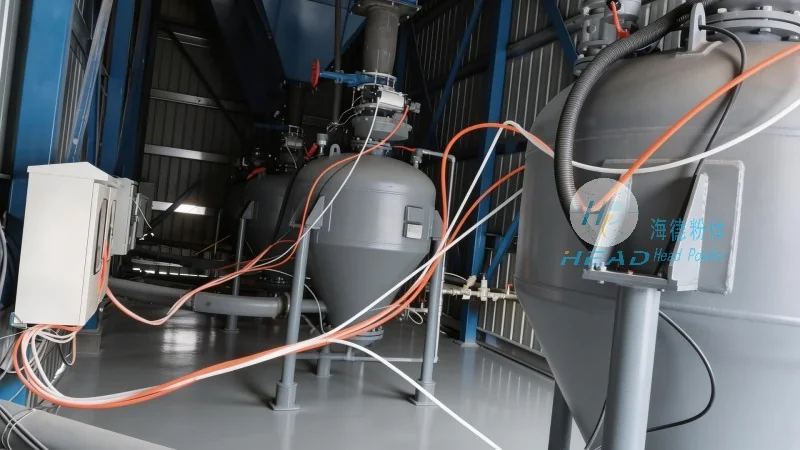
A reliable corn kernel pneumatic conveying solution integrates several critical components, each requiring careful specification to match the specific operational parameters. The major components include the air mover (positive displacement blower or vacuum pump), rotary airlock feeder, conveying pipeline, diverter valves, and separation equipment (cyclone or baghouse filter).
Operational efficiency in corn kernel pneumatic conveying is directly tied to energy consumption, which can account for 30–50% of the total material handling cost. By 2026, energy prices are projected to increase by 8–12% in major agricultural processing regions, making efficiency optimization a top priority for facility managers. Several proven strategies can reduce energy usage without sacrificing throughput:
Even well-designed pneumatic systems encounter operational issues. Understanding these challenges and their mitigation strategies is essential for maintaining consistent performance:
To illustrate the practical value of well-engineered pneumatic conveying solutions, consider a mid-size corn processing facility that upgraded its material handling system in 2024. The plant originally used a combination of bucket elevators and screw conveyors, which required frequent maintenance and generated significant dust. After switching to a positive pressure dilute phase system designed by headpowder, the facility achieved a 40% reduction in dust emissions, a 25% decrease in labor costs for maintenance, and a 15% improvement in overall equipment effectiveness. The system incorporated high-efficiency cyclones and a VFD-controlled blower, allowing the plant to handle 45 tons per hour over a 75-meter distance with a measured kernel breakage rate of only 0.8%. Another example involves a grain export terminal that installed a dense phase system for a 300-meter horizontal plus 40-meter vertical transfer. The system, engineered with precise air control and wear-resistant components, has operated continuously for over 18 months with zero unplanned downtime and kernel breakage sustained below 0.15%. These outcomes demonstrate that investing in a tailored pneumatic solution yields tangible returns through improved product quality and reduced operational expenditures.
Looking ahead to 2026 and beyond, several technological developments are shaping the corn kernel pneumatic conveying landscape. The integration of IoT sensors and edge computing allows for real-time monitoring of conveying velocity, pressure differential, and kernel condition at multiple points along the pipeline. Predictive maintenance algorithms can identify wear patterns in elbows and airlocks before they cause failures, reducing unplanned downtime by up to 60%. Additionally, the adoption of modular, skid-mounted conveying units is gaining traction, particularly for temporary or seasonal operations such as grain receiving stations. These prefabricated units can be installed within 48 hours and relocated easily, offering flexibility for facilities with variable throughput. Environmental regulations are also tightening—in many regions, dust emissions from grain handling are now required to stay below 5 mg/m³, necessitating high-efficiency baghouse filters with HEQA (High Efficiency Quality Assurance) certification. headpowder has been at the forefront of developing compliant systems that meet these standards while maintaining high throughput. For facility managers evaluating new installations or retrofits, the combination of energy-efficient components, advanced control systems, and robust construction represents a sound long-term investment. (咨询热线:156-6277-7102)
Regular maintenance is the backbone of any pneumatic conveying system's longevity. For corn kernel applications, the primary wear points are the rotary airlock feeder and the pipeline elbows. A preventive maintenance schedule should include quarterly inspection of rotor tips and housing clearance, biannual replacement of blower air filters, and annual pressure decay testing of the entire pipeline to detect leaks. Lubrication of bearings and drive components should follow the manufacturer's specifications, using food-grade grease where applicable. Many operators find that maintaining a spare parts inventory covering the most frequently replaced items—such as rotary valve rotor sets, wear liner pads, and filter cartridges—reduces mean time to repair by over 50%. In the event of an unexpected blockage, a well-documented clearing procedure involving reverse air purging or manual disassembly of access ports minimizes spillage and downtime. By adhering to a disciplined maintenance protocol, end users can extend the service life of a pneumatic conveying system beyond 15 years while preserving the original efficiency and kernel quality. headpowder provides comprehensive after-sales support including remote diagnostics, on-site training, and performance audit services to help clients maintain optimal operation throughout the equipment lifecycle.

 Shandong headpowder Engineering Co., Ltd.
 156-6277-7102(Manager Zhang)
  0531-83386006
  Jinan City, Shandong Province, China
服务热线
微信咨询
回到顶部