News
Rich project cases across industries, showing real implementation and proven technical strength.Magnesium sulfate heptahydrate, commonly referred to as Epsom salt in its hydrated form, is a crystalline compound widely used in agriculture, pharmaceuticals, chemical processing, and water treatment. Its high solubility and hygroscopic nature, however, present significant challenges during bulk material handling. The material tends to cake, bridge, and adhere to equipment surfaces when exposed to moisture or temperature fluctuations. Traditional mechanical conveying methods, such as belt conveyors or screw feeders, often struggle with these properties, leading to frequent blockages, maintenance downtime, and product degradation. As the global demand for high-purity magnesium sulfate heptahydrate continues to grow—driven by the expanding fertilizer sector and industrial applications—processors require reliable, sanitary, and efficient transport solutions. Pneumatic conveying technology has emerged as the preferred approach for handling this delicate crystalline material, offering enclosed transfer, minimal product breakage, and precise control over flow rates. This technical introduction explores the specialized pneumatic conveying equipment designed for magnesium sulfate heptahydrate, covering system configurations, key design parameters, material compatibility, and operational best practices. By understanding these engineering principles, plant operators and project engineers can make informed decisions to optimize their production lines, reduce total cost of ownership, and maintain product quality.
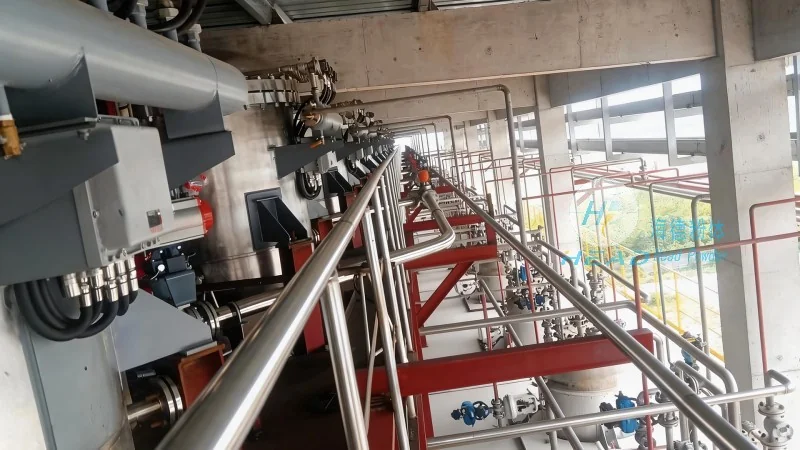
Pneumatic conveying relies on the movement of bulk solids through a pipeline using a gas stream, typically air or nitrogen. For magnesium sulfate heptahydrate, two fundamental system types are commonly deployed: dilute phase and dense phase conveying. Dilute phase systems suspend the material in a high-velocity air stream, suitable for shorter distances and lower capacities. However, the high velocity can cause particle attrition and increase moisture uptake due to turbulent air contact. Dense phase conveying, on the other hand, moves the material at lower velocities in a plug flow regime, significantly reducing product degradation and dust generation. This is particularly advantageous for magnesium sulfate heptahydrate, where maintaining crystal integrity is critical for downstream dissolution performance and end-user specifications. The choice between these two modes depends on factors such as particle size distribution, bulk density (typically 1.0–1.2 g/cm³ for the heptahydrate), conveying distance, and allowable moisture gain. Headpowder's engineering team has extensive experience in designing both dilute and dense phase systems tailored to the unique rheological behavior of this salt, ensuring smooth transport without caking or pipe blockage.
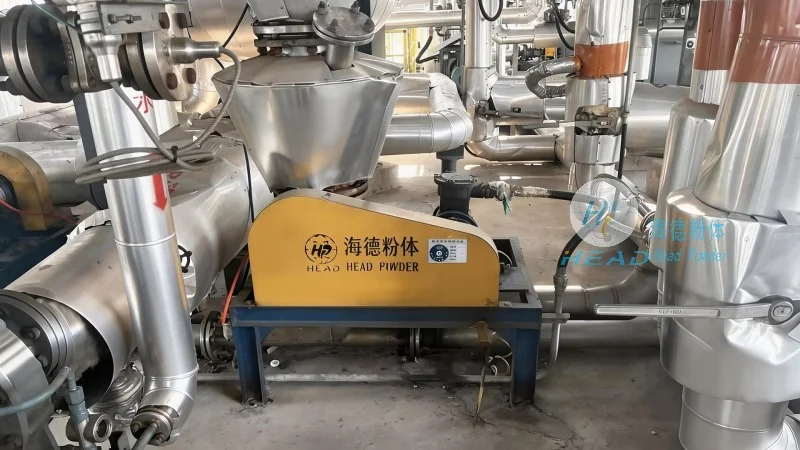
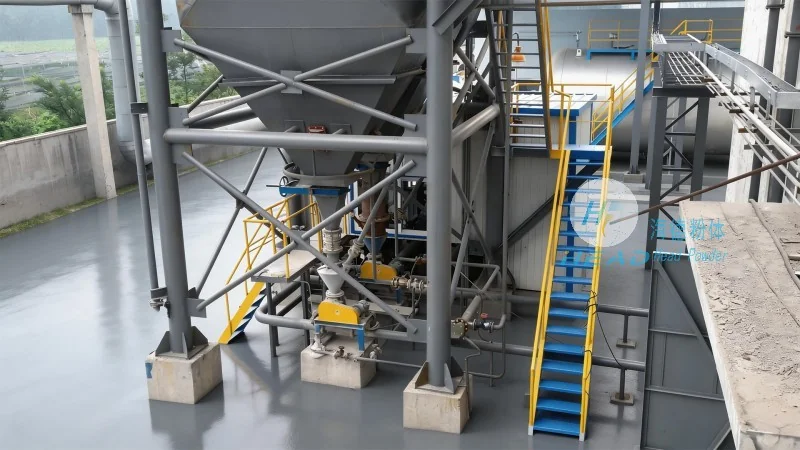
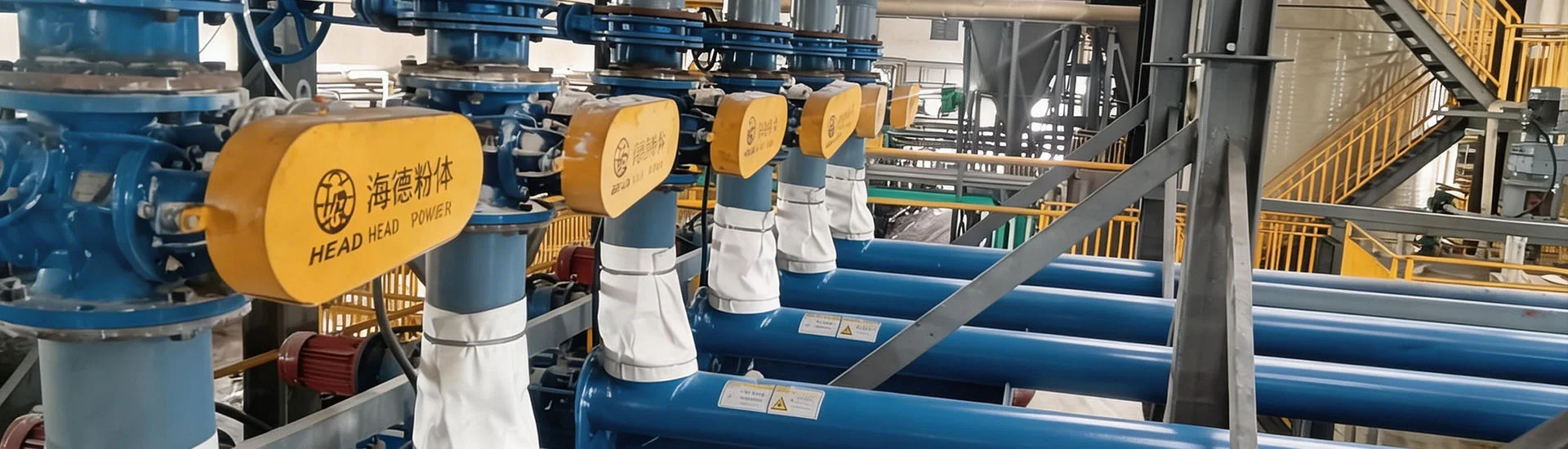
A complete pneumatic conveying system for magnesium sulfate heptahydrate comprises several specialized components, each selected to address the material's hygroscopic and abrasive characteristics. The feeding device is the first critical interface. Rotary airlock valves or screw feeders with controlled purge air prevent material leakage and maintain system pressure. For headpowder systems, the rotary valves feature hardened rotor tips and adjustable clearance to handle the slightly abrasive nature of the crystals. The conveying pipeline itself is constructed from stainless steel (typically 304 or 316L) with smooth internal welds and gradual bends to minimize wear and product build-up. Pipeline diameter ranges from 50 mm to 200 mm depending on capacity and distance, with conveying velocities kept below 15 m/s in dense phase applications to limit particle breakage. An air mover—either a positive displacement blower or a compressor—provides the conveying air, with filtration and drying units to remove moisture and oil aerosols. At the receiving end, a cyclone separator or a bin vent filter collects the conveyed material, while a diverter valve directs flow to multiple silos or process vessels. Headpowder integrates pressure sensors, flow meters, and PLC-based controls to monitor material-to-air ratio, line pressure, and filter differential pressure, enabling real-time adjustments that prevent blockages and ensure consistent discharge.
Magnesium sulfate heptahydrate has a critical relative humidity of approximately 75% at 25°C, above which it absorbs moisture from the air and begins to dissolve or form lumps. Controlling humidity inside the conveying system is therefore paramount. Headpowder addresses this through several engineering strategies. First, the conveying air is dehumidified using desiccant dryers or refrigerated dryers to maintain a dew point below 10°C, ensuring that the air stream does not introduce additional moisture. Second, the entire system is designed with sealed joints and pressurized components to prevent ambient air infiltration. Third, thermal insulation and trace heating are applied to pipelines in cold climates to avoid condensation on pipe walls. Additionally, the material storage silos are equipped with fluidized discharge cones and aeration pads to promote flow and prevent bridging. Headpowder's field data from installations in Southeast Asia and the Middle East shows that with proper moisture control, magnesium sulfate heptahydrate can be conveyed for distances exceeding 200 meters without measurable caking or product quality loss. The company also recommends periodic purging with dry nitrogen for systems handling pharmaceutical-grade material, where strict pharmacopeial limits on moisture content apply.
Selecting the correct pneumatic conveying system for magnesium sulfate heptahydrate requires a thorough analysis of throughput requirements, conveying distance, and particle characteristics. Typical industrial installations handle capacities ranging from 1 ton per hour to 20 tons per hour, with blow line lengths up to 300 meters vertical and horizontal combined. The conveying air flow rate is calculated based on the solids loading ratio—mass of material per mass of air. For dense phase systems, loading ratios of 10:1 to 30:1 are common, resulting in lower air consumption and reduced energy costs compared to dilute phase designs. The particle size distribution of magnesium sulfate heptahydrate typically falls between 0.5 mm and 4 mm, with a significant fraction of fines (below 0.1 mm) that can cause dust explosions if not properly managed. Headpowder incorporates explosion venting panels, earthed conductive piping, and inert gas blanketing in systems where the combustible dust concentration exceeds the minimum explosive limit. The company also offers custom-designed venturi eductors for dense phase pickup, which minimize turbulence at the feeding point and reduce attrition of the larger crystals. Recent projects for a major fertilizer producer in India successfully conveyed 12 tons per hour of magnesium sulfate heptahydrate over 180 meters using a headpowder dense phase system, achieving less than 0.5% fines generation and zero unscheduled downtime over the first year of operation.
Operating cost is a decisive factor for most bulk material handling investments. Pneumatic conveying systems for magnesium sulfate heptahydrate can be optimized to lower electricity consumption through variable frequency drives on blowers, optimized pipe routing to reduce bends, and the use of low-pressure drop cyclones. Headpowder's proprietary VortexAir™ nozzle technology reduces the pressure drop at the material pick-up point by up to 30%, directly translating to energy savings. Maintenance intervals are extended through the use of wear-resistant ceramic-lined elbows and replaceable wear plates in the receiving hopper. The company recommends a preventive maintenance schedule that includes weekly inspection of filter bags, quarterly replacement of rotary valve seals, and annual pipeline internal inspection using borescopes. In a recent case study from a North American chemical plant, headpowder's system reduced the client's annual maintenance labor by 60% compared to the previous screw conveyor setup, while eliminating product contamination risks. The total cost of ownership over a 10-year period was calculated to be 22% lower for the pneumatic system, factoring in energy, spare parts, and downtime costs. Such data reinforces the suitability of pneumatic conveying for demanding applications where product purity and operational reliability are non-negotiable.
Equipment designed for handling magnesium sulfate heptahydrate must adhere to several international standards and local regulations. For food and pharmaceutical grades, compliance with FDA 21 CFR parts 210/211 and current Good Manufacturing Practices (cGMP) is required, dictating that all product contact surfaces be constructed from corrosion-resistant stainless steel, with smooth finishes (Ra ≤ 0.8 µm) and crevice-free welds. The system must also facilitate thorough clean-in-place (CIP) procedures. For non-food industrial applications, adherence to ISO 14617 for pneumatic system symbols and ISO 12100 for machinery safety applies. Headpowder's equipment is designed to meet ATEX or NFPA 69 standards when handling combustible dust atmospheres, with integrated pressure relief devices and grounding verification systems. The company provides complete documentation including material certificates, weld maps, and functional test protocols. In 2025, headpowder received third-party certification from TÜV SÜD for its magnesium sulfate heptahydrate conveying systems, confirming compliance with the latest European Machinery Directive. This certification gives clients confidence in the system's safety performance under extreme operating conditions, such as high ambient humidity or temperature fluctuations.
A leading agrochemical producer in Australia needed to upgrade its handling line for magnesium sulfate heptahydrate used in premium water-soluble fertilizer blends. The existing manual bag dumping and screw conveyor system caused frequent dust emissions, product losses of up to 3%, and required two operators per shift for cleaning. Headpowder conducted a feasibility study and designed a complete dense phase pneumatic conveying system with a capacity of 8 tons per hour over a 140-meter route. The system included a dehumidified air supply, a rotary airlock feeder with stainless steel housing, pipeline with 316L bends, and a bin vent filter with reverse pulse cleaning. Installation was completed in 14 days with minimal disruption to production. Post-commissioning data showed a reduction in dust emissions by 95%, labor cost savings of 40%, and product loss below 0.2%. The system has been operating reliably for 18 months without any blocked lines. The client reported that the improved working environment and consistent product quality helped them secure two new contracts with international buyers. This real-world example highlights how headpowder's engineering expertise and attention to moisture control can transform material handling operations.
As the chemical processing industry moves toward Industry 4.0, pneumatic conveying equipment for magnesium sulfate heptahydrate is evolving with smart monitoring and predictive maintenance capabilities. Headpowder is integrating IoT sensors that measure pipeline vibration, temperature, and humidity in real time, feeding data into machine learning algorithms to predict blockages before they occur. Digital twin models allow operators to simulate different conveying scenarios and optimize air-to-material ratios without interrupting production. Additionally, new materials for pipe linings, such as ultra-high molecular weight polyethylene (UHMWPE) and silicon carbide ceramics, are being tested to further reduce wear and extend service life. The trend toward higher capacity plants—some requiring 40 tons per hour conveying rates—is driving innovation in multi-point feeding and automatic line switching. Headpowder is actively researching the use of hybrid systems that combine dense phase conveying with air gravity conveyors for short horizontal runs. These developments ensure that clients can handle increasing production volumes while maintaining the low moisture and high purity standards demanded by global markets. The company's R&D center in Germany collaborates with university partners to conduct pilot-scale tests with customer-specific magnesium sulfate heptahydrate samples, ensuring that each solution is validated before deployment.
Headpowder has been a trusted supplier of pneumatic conveying equipment since 2008, with over 500 systems installed worldwide across the chemical, mineral, and food industries. Our team holds more than 30 years of combined engineering experience in handling hygroscopic and abrasive bulk solids. We offer turnkey solutions from concept design through commissioning, including process guarantees for capacity and product quality. Every system is backed by a comprehensive warranty and 24/7 after-sales support. Our clients value the modular design that allows easy future expansion, as well as the detailed training we provide for local maintenance teams. Whether you are processing 1 ton or 50 tons per hour, we can engineer a system that meets your specific requirements for magnesium sulfate heptahydrate. For a free technical consultation and a preliminary system design, contact our application engineers. (咨询热线:156-6277-7102) We look forward to helping you optimize your material handling operations with reliable, high-performance pneumatic conveying solutions from headpowder.

 Shandong headpowder Engineering Co., Ltd.
 156-6277-7102(Manager Zhang)
  0531-83386006
  Jinan City, Shandong Province, China
服务热线
微信咨询
回到顶部