News
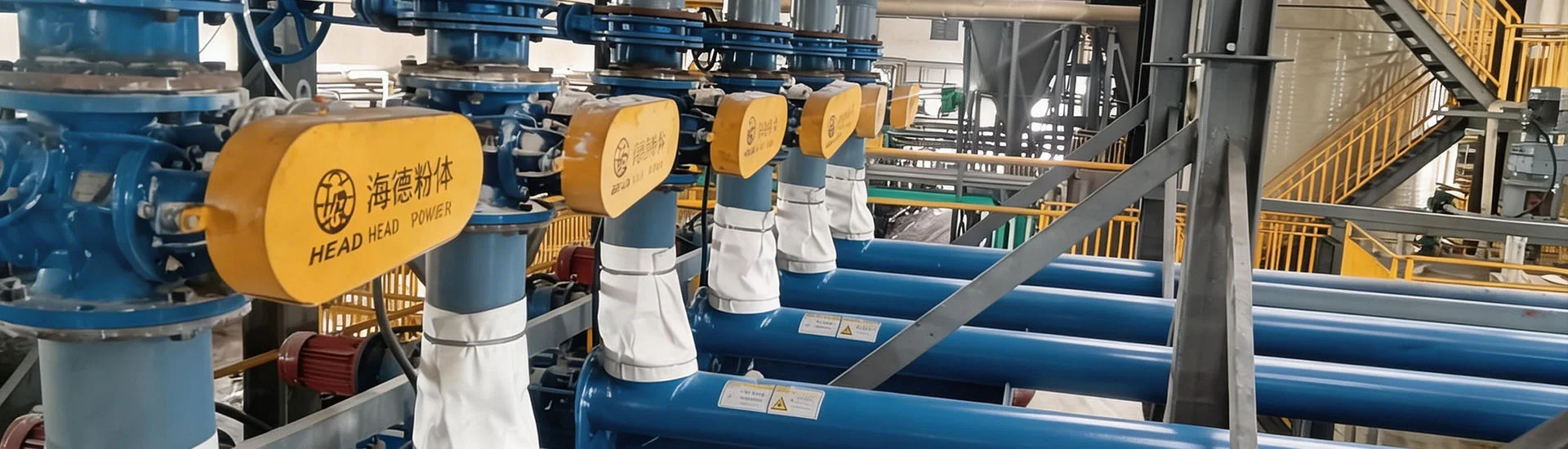
Rich project cases across industries, showing real implementation and proven technical strength.In modern industrial processing environments, the efficient and reliable transport of bulk materials is a critical factor that directly impacts production throughput, product quality, and operational cost. Among the diverse material handling technologies available, pneumatic conveying systems have emerged as a preferred solution for industries dealing with fibrous materials, such as wood fibers, cellulose, textile fibers, glass fibers, and various synthetic fibrous compounds. Fiber pneumatic conveying equipment systems are specifically engineered to address the unique challenges posed by these materials, including their tendency to interlock, clump, and create bridging, as well as their sensitivity to mechanical damage and contamination. A well-designed fiber pneumatic conveying system ensures gentle yet rapid transport, minimal product degradation, dust-free operation, and seamless integration into upstream and downstream processes. As of 2026, the global pneumatic conveying systems market continues to grow at a compound annual growth rate (CAGR) of approximately 6.8%, driven by expanding applications in renewable energy, construction materials, food processing, and advanced composites manufacturing. This article provides an in-depth technical introduction to fiber pneumatic conveying equipment systems, covering core principles, system components, design considerations, material characteristics, operational parameters, and practical deployment strategies. The objective is to equip engineers, plant managers, and procurement professionals with actionable knowledge to select, configure, and maintain a fiber pneumatic conveying system that delivers long-term reliability and cost-effectiveness.
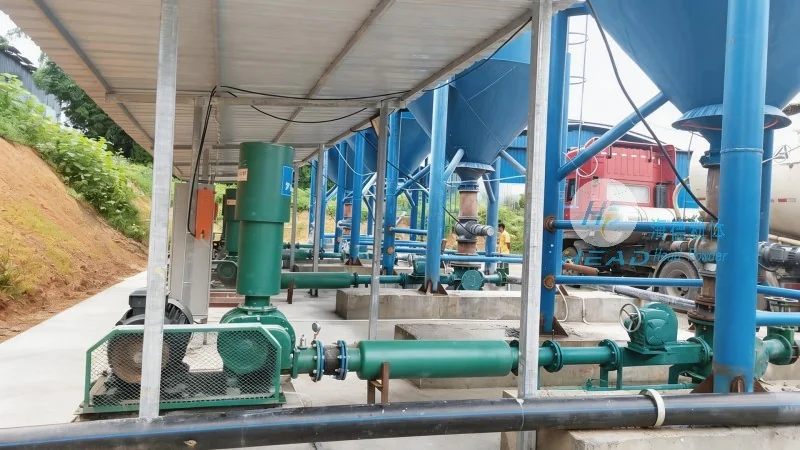
Pneumatic conveying operates on the fundamental principle of using air or another gas as the transport medium to move particulate solids through a pipeline. For fibrous materials, the conveying mechanism must balance the need for sufficient air velocity to keep fibers suspended and flowing, against the risk of fiber breakage, entanglement, or settling. Two primary modes are employed in fiber pneumatic conveying systems: dilute phase conveying and dense phase conveying. Dilute phase conveying, characterized by high air velocity (typically 20–40 m/s) and low solid-to-air ratio, is suitable for short-distance transport of free-flowing fibrous materials that are not highly cohesive. However, for many fibrous applications, dense phase conveying at low velocity (2–10 m/s) with higher solid loading is preferred because it significantly reduces fiber degradation, minimizes energy consumption by up to 40%, and lowers pipeline wear. The choice between these modes depends on bulk density, particle size distribution, moisture content, and fiber aspect ratio. Modern fiber pneumatic conveying systems often incorporate advanced control algorithms that dynamically adjust air pressure and flow rate based on real-time material feedback, ensuring optimal transport conditions across varying feed rates.
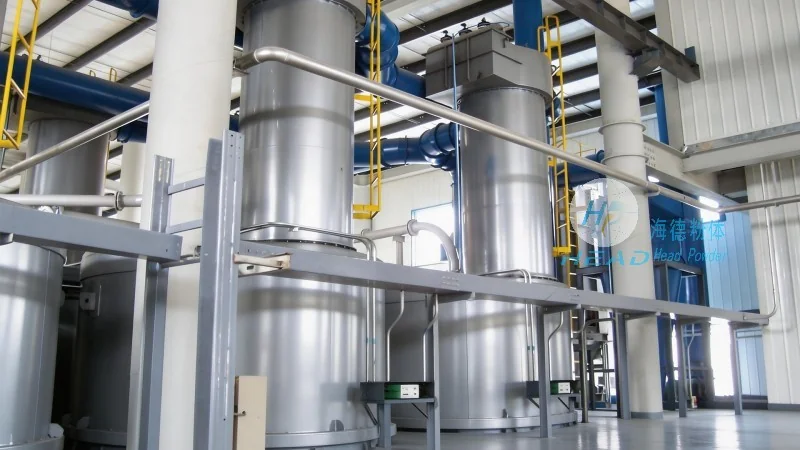
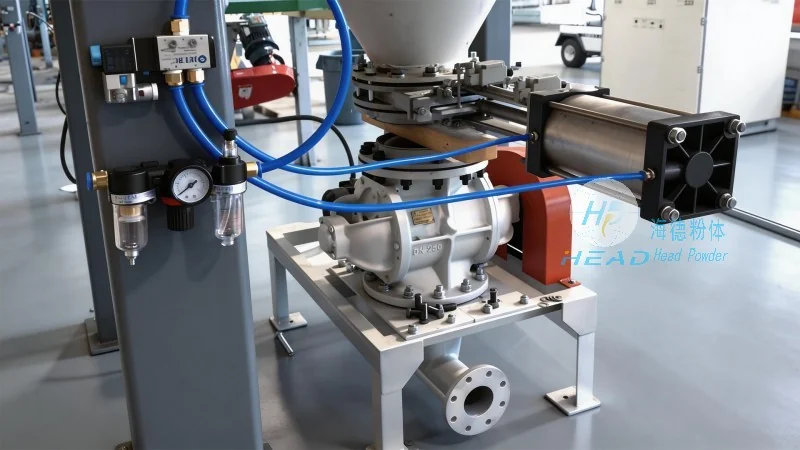
A complete fiber pneumatic conveying system comprises several interconnected components, each designed to handle the specific rheological properties of fibrous materials. The following is a detailed breakdown of the essential subsystems:
Fibrous materials exhibit unique physical properties that profoundly influence conveying behavior. Bulk density of fibers can range from 30 kg/m³ for lightweight glass wool to 500 kg/m³ for densified wood pellets. Moisture content, which often exceeds 10% for natural fibers, increases cohesion and the risk of plugging. The aspect ratio (length-to-diameter ratio) of fibers is a particularly critical parameter: fibers with ratios above 20:1 tend to intertwine and form aggregates, requiring larger pipe diameters and lower conveying velocities. For example, in a case study involving recycled textile fibers with an average length of 15 mm, a headpowder-configured dense phase system achieved a consistent conveying rate of 8 tons per hour over a 150-meter route without any particle degradation, using a pipeline diameter of 200 mm and operating pressure of 0.8 bar. Frictional properties also differ—synthetic fibers like polypropylene generate electrostatic charges, necessitating conductive piping and grounding to prevent static buildup. Industry standards such as ISO 10855 for pneumatic conveying and ATEX directives for explosive atmospheres must be considered when handling combustible fibers like cotton or carbon fiber dust.
Successful deployment of a fiber pneumatic conveying system requires meticulous planning across several design dimensions. First, the conveying distance and elevation change directly affect pressure drop calculations. For long horizontal runs (over 200 meters), intermediate air boosters or pressure vessels may be needed. Second, the system's layout should minimize the number of bends and vertical rises, as each 90-degree bend can contribute a pressure loss equivalent to 5–10 meters of straight pipe. Third, the air-to-material ratio must be precisely calibrated: too little air causes settling and blockages; too much air leads to fiber breakage and excessive energy use. A typical design target for dense phase fiber conveying is a solids loading ratio of 10–30 kg of material per kg of air. Fourth, system flexibility is crucial—a modern fiber conveying system should allow for easy cleaning and changeover between different fiber grades. For instance, headpowder's modular system design incorporates quick-disconnect pipe sections and clean-out ports at strategic intervals, reducing downtime during product changeovers by up to 60%. Finally, redundancy in critical components such as blowers and rotary valves is recommended to maintain production continuity in high-availability operations.
Monitoring key operational parameters is essential for maintaining efficient and reliable fiber pneumatic conveying. The primary parameters include conveying line pressure, air velocity, material flow rate, and temperature. Pressure drops typically range from 0.2 to 1.5 bar for most industrial systems, with higher values indicating potential blockages or material buildup. Air velocity at the pickup point should be designed to exceed the saltation velocity of the fibers—typically 8–15 m/s for fibrous materials—to keep particles suspended. Real-time load cells or flow meters at feed and discharge points provide accurate throughput data. Energy efficiency is a critical metric: modern dense phase fiber conveying systems consume 0.5–1.5 kWh per ton of material, compared to 2–4 kWh per ton for dilute phase systems. In a recent headpowder installation for a wood fiber insulation board manufacturer, the system achieved a net energy reduction of 32% compared to the client's previous mechanical belt conveyor setup, while lowering dust emissions by 95%. Maintenance indicators such as filter differential pressure and rotary valve wear patterns should be logged regularly to schedule preventive servicing.
Proper installation is fundamental to system longevity. The pipeline should be installed with a slight downward slope (1–2 degrees) in the direction of flow to assist material movement and facilitate drainage during cleaning. All joints must be airtight; leaks at connections can cause pressure loss and dust leakage. During commissioning, a stepwise approach is recommended: first, run the system with air only to verify pressure integrity and valve operation; then introduce fibers at low feed rates, gradually increasing to design capacity while monitoring all parameters. Common troubleshooting scenarios include: (1) material bridging at the feed point—add aeration pads or mechanical agitators; (2) excessive pressure drop—inspect for blockages or increase air supply; (3) fiber degradation—reduce air velocity or switch to dense phase mode; (4) filter clogging—adjust pulse-jet cleaning frequency or replace filter media with appropriate porosity. A comprehensive training program for operators and maintenance personnel, covering system startup, shutdown sequences, and emergency procedures, significantly reduces unplanned downtime.
As we move through 2026, several technological advancements are reshaping the landscape of fiber pneumatic conveying. The integration of Internet of Things (IoT) sensors and digital twins allows continuous simulation and optimization of conveying parameters, enabling predictive maintenance and reducing unscheduled stoppages by an estimated 20–30%. Artificial intelligence algorithms now analyze pressure and flow patterns to detect early signs of wear or impending blockages, providing alerts up to 48 hours in advance. Another trend is the development of hybrid conveying systems that combine mechanical and pneumatic elements for challenging materials like long synthetic fibers. Sustainable design practices are also gaining traction: low-pressure systems powered by solar or wind energy, and closed-loop air recirculation with advanced filtration, reduce carbon footprint. Headpowder is actively incorporating these innovations, offering clients a proprietary control platform that provides real-time performance dashboards and remote diagnostics, ensuring their fiber conveying systems remain at the forefront of efficiency and reliability.
The practical value of fiber pneumatic conveying systems is best illustrated through successful industrial applications. One notable example involves a major producer of glass fiber matting for automotive insulation. The client required a dust-free, low-degradation transport system for glass fibers with an average length of 12 mm, from a storage silo to a forming hood 80 meters away. Headpowder designed and installed a dense phase system with a 150 mm pipeline, a roots blower, and a specially engineered rotary feeder with hardened steel pockets. The system consistently delivered 6 tons per hour at a pressure of 0.6 bar, with fiber breakage measured at less than 2%, surpassing the client's specification of 5%. Another case involved a recycled cardboard fiber processing plant that needed to convey wet fibers (moisture content up to 35%) over a 120-meter route with three 45-degree elbows. The headpowder solution incorporated a horizontal air knife at the feed point to break up wet clumps, and a drop-bottom receiver that prevented moisture condensation. The system achieved a 99.8% uptime over 18 months of operation, with a payback period of 14 months derived from reduced energy and maintenance costs.
Choosing an experienced system integrator is as important as selecting the right technology. Headpowder brings over a decade of specialized expertise in designing, manufacturing, and commissioning fiber pneumatic conveying equipment for diverse industries, from pulp and paper to advanced composites. Our engineering team conducts thorough material testing at our in-house laboratory, analyzing flow properties, moisture sensitivity, and degradation thresholds to tailor each system to the exact material characteristics. We adhere to ISO 9001 quality management standards and comply with all relevant safety regulations, including ATEX for explosive environments. Our turn-key services include site survey, 3D layout design, fabrication, installation, commissioning, and after-sales support with a 24/7 remote monitoring option. For existing installations, we offer retrofitting and upgrading services that can enhance conveying capacity by up to 40% without replacing major components. To discuss your specific fiber conveying requirements or request a feasibility study, please contact the headpowder team. (咨询热线:156-6277-7102)
Fiber pneumatic conveying equipment systems represent a sophisticated, clean, and efficient solution for handling challenging fibrous materials in modern manufacturing environments. By understanding the underlying principles, carefully selecting components, and accounting for material-specific behaviors, industrial operators can achieve significant gains in throughput, product quality, energy efficiency, and workplace safety. The technology continues to evolve, with digitalization and sustainability driving the next wave of innovation. Whether you are processing natural fibers for building materials, synthetic fibers for automotive parts, or recycled fibers for packaging, a properly engineered pneumatic conveying system can transform your material handling operations. Headpowder remains committed to delivering reliable, customized systems that meet the highest standards of performance and durability, supporting your production goals today and in the future. For a detailed proposal or to arrange a consultation with our technical team, reach out directly.

 Shandong headpowder Engineering Co., Ltd.
 156-6277-7102(Manager Zhang)
  0531-83386006
  Jinan City, Shandong Province, China
服务热线
微信咨询
回到顶部