News
Rich project cases across industries, showing real implementation and proven technical strength.Handling hydrogen sulfide (H₂S) in industrial processes requires a pneumatic conveying system that balances performance, safety, and operational efficiency. As a toxic, corrosive, and flammable gas, H₂S demands equipment solutions designed to prevent leaks, mitigate environmental risks, and maintain consistent material flow. For industries such as petrochemical refining, natural gas processing, biogas upgrading, and wastewater treatment, the need for a reliable hydrogen sulfide pneumatic conveying system has never been more critical. Market data from 2026 indicates that global spending on gas-handling equipment for hazardous materials is projected to exceed USD 4.8 billion, driven by stricter emissions regulations across the EU, North America, and Asia-Pacific regions. Engineering teams are now prioritizing closed-loop systems that eliminate personnel exposure while maximizing uptime. This article provides a comprehensive technical overview of equipment solutions for hydrogen sulfide pneumatic conveying, covering system architecture, key component selection, safety protocols, and real-world implementation strategies. Whether you are retrofitting an existing line or designing a greenfield facility, understanding the interplay between pressure ratings, material compatibility, and control logic will directly influence both capital expenditure and long-term maintenance costs. The following sections break down the critical factors that define a robust H₂S pneumatic conveying system, with actionable insights drawn from field-tested installations and current industry best practices.
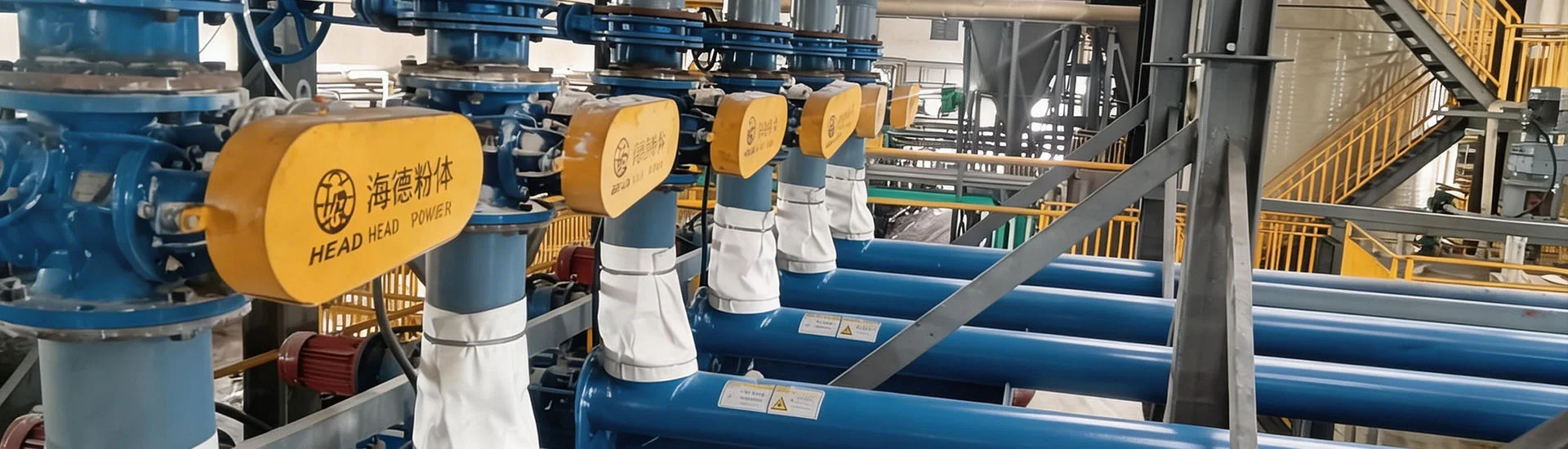
A hydrogen sulfide pneumatic conveying system typically operates under either dilute-phase or dense-phase conditions, depending on the material being conveyed and the required throughput. For H₂S itself—often captured as a gas from sour gas streams or present as a contaminant in process materials—the system must be fully enclosed to prevent any fugitive emissions. The basic architecture includes a feed hopper or pressure vessel, a conveying pipeline constructed from corrosion-resistant alloys (such as 316L stainless steel or duplex stainless steel), a gas supply unit (usually nitrogen or treated process gas), and a receiving vessel equipped with vent gas treatment. In dilute-phase systems, high gas velocities (typically 20–35 m/s) entrain the material, while dense-phase systems use lower velocities (2–8 m/s) to minimize pipeline wear and reduce gas consumption. For H₂S applications, dense-phase conveying is often preferred because it reduces the risk of static charge buildup and lowers the energy required for gas compression. The pipeline route must be designed with minimal bends and vertical sections to avoid particle settling, and all joints should be welded or use certified flanged connections with gaskets rated for H₂S service. According to API 570 and ISO 15156 (NACE MR0175), materials used in contact with H₂S must meet sulfide stress cracking resistance standards. Headpowder's engineering team incorporates these requirements into every system design, ensuring that the conveying line pressure ratings and wall thicknesses exceed the minimum code requirements, typically designed for a safety factor of at least 1.5 times the maximum operating pressure.
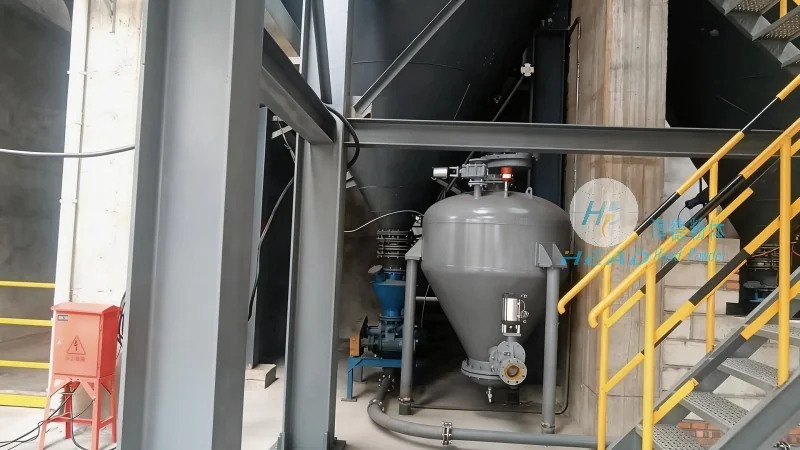
Selecting the right components for an H₂S pneumatic conveying system goes beyond standard pneumatic equipment. Each element must withstand hydrogen embrittlement, corrosion, and potential exposure to acidic condensates. Below are the critical sub-systems and their selection parameters:
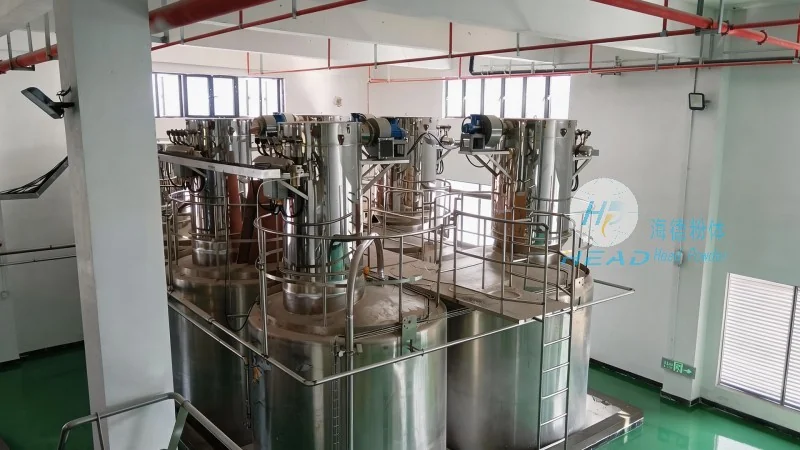
Safety is the overriding principle in any hydrogen sulfide pneumatic conveying system. Beyond material selection, the system layout must minimize potential leak points. A well-designed installation reduces the number of flanged connections by using long-radius welded elbows and double-sealed isolating valves. Every instrument tap and drain point should be fitted with dual block-and-bleed valves. For plant personnel, the maximum allowable exposure limit for H₂S is 10 ppm over an 8-hour time-weighted average (OSHA PEL), and many facilities target a 1 ppm action level. In practice, this means that the conveying system must maintain a negative pressure inside the vent header or incorporate a continuous inert gas purge to sweep any leakage into a safe disposal system. The piping layout should also comply with NFPA 69 for explosion prevention—maintaining oxygen concentration below 5% in the conveying gas. Additionally, all electrical components in the vicinity must be rated for Class I Division 1 (or Zone 1) hazardous locations. Headpowder’s standard design includes a comprehensive risk assessment based on HAZOP methodology for each project. For example, in a recent biogas upgrading plant (1,000 Nm³/h capacity), the H₂S concentration in the raw biogas fluctuated between 500 and 2,000 ppm. The pneumatic conveying system was designed with a nitrogen buffer tank and a continuous purging scheme that kept pipeline oxygen content below 2%, achieving zero lost-time incidents over three years of operation.
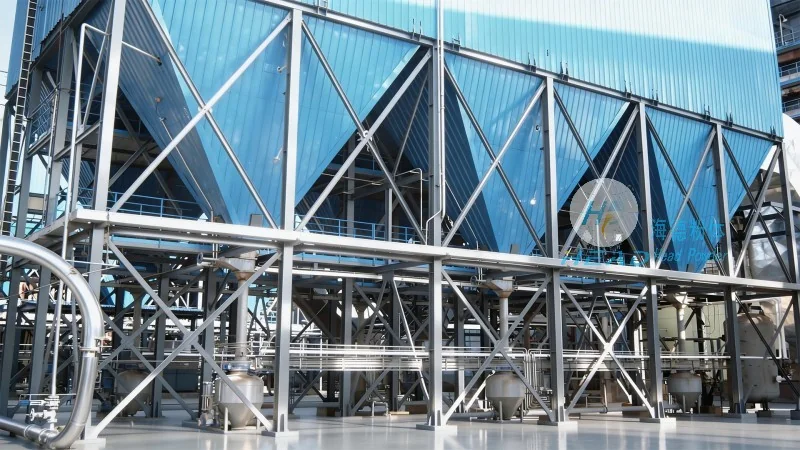
Once installed, the system’s reliability hinges on proactive maintenance and ongoing optimization. Hydrogen sulfide can form corrosive by-products (e.g., sulfuric acid in the presence of moisture) that accelerate wear on valve seats and gaskets. To mitigate this, the conveying gas should be dried to a dew point of at least –40°C at operating pressure. Regular pipe wall thickness measurements (ultrasonic monitoring) every six months help identify corrosion hotspots before leaks develop. The rotary airlock or blow tank discharge valve typically experiences the highest wear rate; advanced coatings such as tungsten carbide or stellite have shown a 300% increase in service life in H₂S environments. From an energy perspective, system pressure drop should be audited annually. Inefficient layouts with excessive bends or undersized pipelines can increase nitrogen consumption by up to 20%. For instance, a refinery that switched from a 4-inch schedule 40 carbon steel line to a 3-inch schedule 80 316L stainless steel line saw a 15% reduction in conveying velocity while maintaining throughput, cutting nitrogen costs by USD 18,000 per year. Headpowder offers commissioning support that includes baseline flow modeling using computational fluid dynamics (CFD) to optimize pipe routing and gas flow rates, ensuring that the system operates within 5% of the design energy target.
To illustrate the real-world applicability of tailored hydrogen sulfide pneumatic conveying equipment solutions, consider a case from a mid-sized natural gas processing facility in the Permian Basin. The facility encountered H₂S levels up to 150 ppm in the inlet gas and needed to convey granular iron sponge (used for scavenging) from storage to multiple injection points. The original blower-based dilute-phase system experienced frequent clogs and seal failures. After a comprehensive redesign by Headpowder, a dense-phase blow tank system with a nitrogen supply of 4 bar(g) was installed. The new system delivered consistent material flow at 2.5 tons per hour with zero emissions, and the reduced gas velocity extended filter bag life from three months to eighteen months. The client reported a 40% reduction in maintenance labor hours and an overall payback period of 14 months. Another trend shaping the industry in 2026 is the adoption of digital twin technology for predictive maintenance. Headpowder now integrates IoT sensors on key components—including pressure transmitters at each pipe bend, vibration monitors on compressors, and humidity sensors in the gas supply line—feeding data into a cloud-based analytics platform. This allows operators to anticipate filter clogging or seal degradation three to four weeks before a failure event, reducing unplanned downtime by 60%.
Looking forward, the market is shifting toward modular, skid-mounted designs that allow rapid deployment and easy integration with existing plant DCS. According to a 2026 industry report by the Gas Processors Association, over 45% of new H₂S handling installations in the U.S. Gulf Coast are specifying pre-assembled pneumatic conveying modules to shorten construction timelines. These modules incorporate all components—blow tank, pipeline, vent scrubber, and control panel—on a single frame, tested at the factory before shipment. Headpowder has delivered over 150 such modules globally, with lead times averaging 16 weeks from design acceptance. The company’s engineering expertise includes customizing the module footprint to fit within existing plot constraints, and all systems are backed by a two-year warranty on materials and workmanship.
Selecting the right equipment solution for hydrogen sulfide pneumatic conveying is not merely a technical decision—it is a strategic investment in safety, compliance, and operational continuity. The consequences of under-engineered systems range from costly shutdowns and environmental fines to life-threatening exposure incidents. headpowder (咨询热线:156-6277-7102) brings over two decades of specialized experience in handling corrosive and hazardous gases, with a certified engineering team that holds PE licenses and NACE certifications. Each system is custom-designed using advanced simulation tools and fabricated in an ISO 9001:2015 facility. The company’s portfolio includes projects for Fortune 500 energy firms, municipal biogas plants, and chemical processors across 30 countries. With a dedicated after-sales service team available 24/7 and a spare parts inventory covering 95% of critical components, headpowder ensures that your H₂S pneumatic conveying system operates safely and profitably for its entire lifecycle. For a detailed feasibility study or to discuss your specific application parameters, contact our technical sales team to schedule a consultation.

 Shandong headpowder Engineering Co., Ltd.
 156-6277-7102(Manager Zhang)
  0531-83386006
  Jinan City, Shandong Province, China
服务热线
微信咨询
回到顶部