News
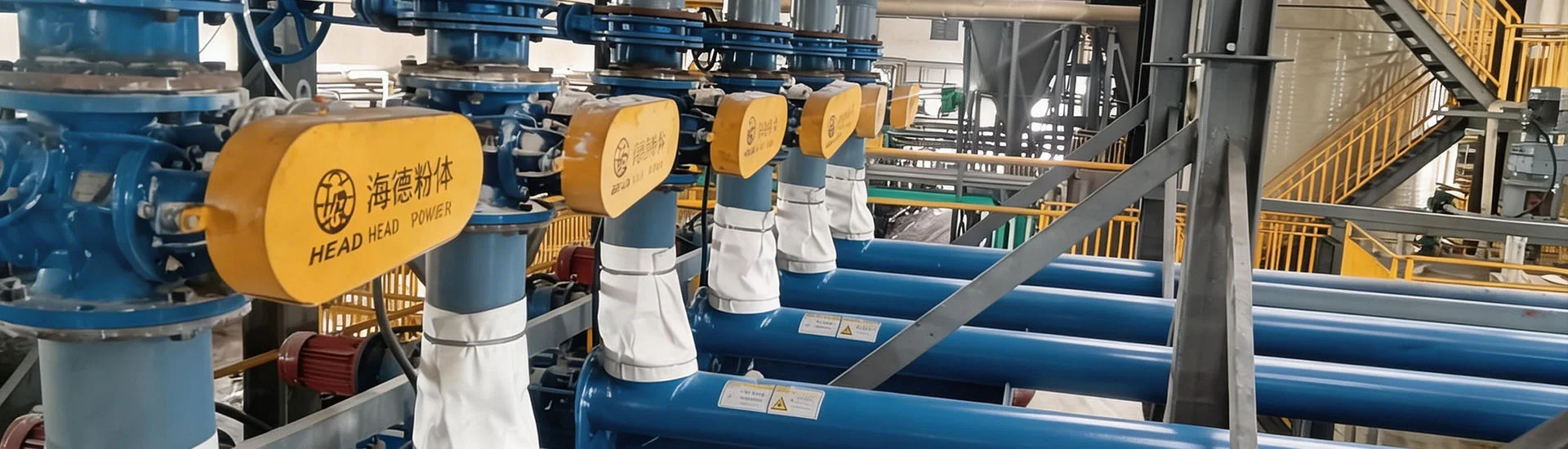
Rich project cases across industries, showing real implementation and proven technical strength.In the modern confectionery and food processing industry, the precise handling of bulk ingredients such as cocoa powder, sugar, milk powder, and cocoa liquor is critical to maintaining product quality, operational efficiency, and workplace safety. Among the various material handling technologies, pneumatic conveying has emerged as the preferred solution for chocolate manufacturing due to its closed-system design, dust-free operation, and gentle material transport. As the global chocolate market continues to expand—projected to reach a valuation of over USD 200 billion by 2026—manufacturers are increasingly seeking reliable, hygienic, and energy-efficient conveying systems. This article provides a comprehensive overview of chocolate pneumatic conveying equipment solutions, addressing key technical parameters, system design considerations, industry best practices, and the integration of advanced automation. Whether you are upgrading an existing production line or building a new facility, understanding the nuances of pneumatic conveying for chocolate applications will help you optimize throughput, reduce waste, and ensure compliance with stringent food safety standards.
At headpowder, we have dedicated decades to engineering customized pneumatic conveying systems for the chocolate industry, combining deep domain expertise with robust equipment design. Our solutions are built to handle the unique challenges of chocolate ingredients—from sticky, hygroscopic powders to high-fat cocoa masses—while maintaining gentle handling and minimal degradation. This overview is structured to guide you through the fundamental principles, component selection, system configurations, and operational considerations that define a successful chocolate pneumatic conveying setup. We will also examine real-world performance data, maintenance protocols, and how modern digital controls can transform your production line from a manual-intensive operation into a fully automated, data-driven process. By the end of this article, you will have a clear roadmap for evaluating and implementing a pneumatic conveying solution tailored to your specific chocolate processing needs.
Chocolate production involves a complex sequence of steps—mixing, refining, conching, tempering, and molding—each requiring precise ingredient dosing and transfer. Traditional mechanical conveyors, such as screw conveyors or bucket elevators, often present drawbacks in this environment. They can cause product segregation, introduce contamination risks from lubricants or wear debris, and create dust hazards that compromise both worker safety and food hygiene. Pneumatic conveying, by contrast, uses a stream of air (or inert gas) to transport ingredients through sealed pipelines, eliminating these issues while offering flexibility in routing and layout. The closed system prevents moisture ingress, reduces oxidation of sensitive fats in cocoa butter, and minimizes the risk of cross-contamination between different recipes. Furthermore, the ability to convey materials over long distances, around obstacles, and between multiple discharge points makes pneumatic systems highly adaptable to both compact and sprawling production facilities.
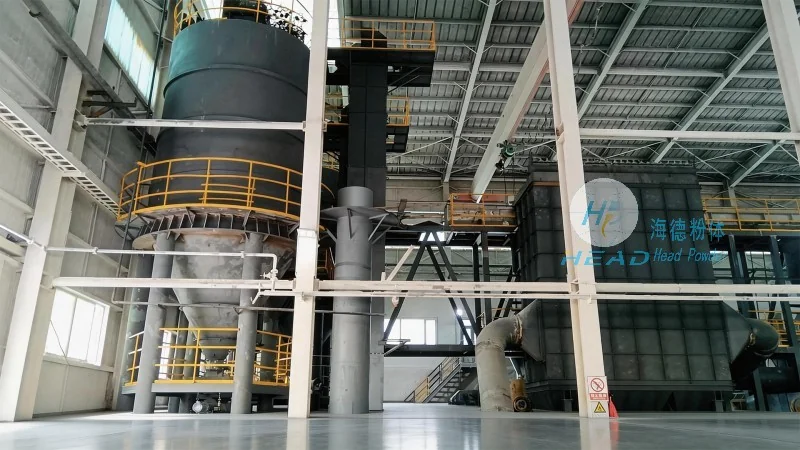
The chocolate sector also faces increasing pressure to reduce energy consumption and carbon footprint. Pneumatic conveying systems, when properly designed with optimized air-to-material ratios, can operate at lower specific energy consumption compared to many mechanical alternatives. For instance, a well-tuned dilute-phase system for cocoa powder may require only 0.5–0.8 kWh per ton of material transported, while dense-phase systems can achieve even better efficiency for fragile or cohesive powders. With rising energy costs and stricter environmental regulations expected by 2026, these efficiency gains translate directly into operational savings. Additionally, the ability to integrate pneumatic conveying with centralized dust collection and air filtration systems supports compliance with local emission limits and workplace exposure standards, such as those defined by OSHA and EU directives. headpowder has assisted numerous chocolate manufacturers in reducing their total cost of ownership by 15–25% through system optimization, leveraging over two decades of field data and continuous innovation.
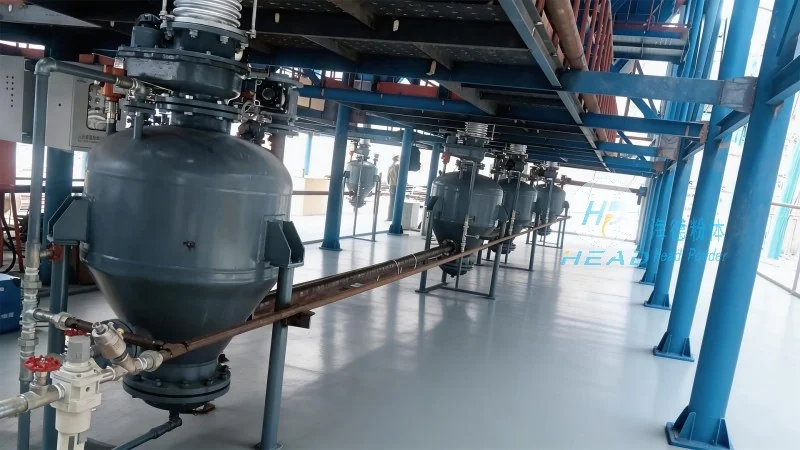
A chocolate pneumatic conveying system generally comprises a material feed point (hopper, silo, or bag dump station), a conveying pipeline, an air mover (blower or compressor), a separator (cyclone or filter receiver), and a control system. Each component must be selected carefully to match the physical and chemical properties of the chocolate ingredient being handled. For example, cocoa powder, with its fine particle size (typically 20–100 microns) and high fat content (10–24%), tends to be cohesive and prone to caking. Therefore, a dilute-phase conveying system with a high air velocity (15–25 m/s) is often recommended to keep particles suspended and prevent blockages. However, for more fragile ingredients like sugar crystals or cocoa nibs, a dense-phase system using lower air velocity (3–10 m/s) and higher material-to-air ratios is preferable to reduce particle breakage and dust generation.
The material of construction for pipelines and components is equally critical. Stainless steel (304 or 316L) is the standard choice for food-grade applications, offering corrosion resistance, easy cleaning, and compatibility with CIP (clean-in-place) protocols. For lines that convey high-fat materials like cocoa liquor, heating jackets may be required to maintain fluidity and prevent solidification. headpowder's standard offering includes modular pipeline sections with quick-disconnect couplings, allowing for rapid reconfiguration during recipe changes or maintenance. The air mover selection depends on the required vacuum or pressure; positive displacement blowers are common for low-pressure dilute-phase systems, while rotary screw compressors are preferred for high-pressure dense-phase applications. To ensure reliable operation, we incorporate variable frequency drives (VFDs) that adjust blower speed based on real-time material flow, reducing energy waste and wear on components.
Another key component is the material separator. In a typical receiving station, a cyclone separator uses centrifugal force to separate the conveyed material from the airstream, with a rotary airlock at the bottom to discharge the product into a hopper or mixer. For fine powders, a cartridge filter or baghouse may be necessary downstream to capture fugitive dust and return it to the process. The choice between cyclones and filters involves trade-offs: cyclones have no moving parts and require minimal maintenance but have limited efficiency for sub-10-micron particles, while filters achieve near-99% efficiency but need periodic cleaning pulse cycles. For chocolate applications where product purity is paramount, we often recommend a combination of cyclone pre-separation followed by a HEPA-rated filter, ensuring that any dust emissions are well below regulatory limits. The control system—usually built on a PLC with a Human-Machine Interface (HMI)—allows operators to set conveying parameters, monitor system status, and log production data for traceability purposes. Integration with ERP systems is increasingly demanded by large manufacturers to align material handling with production scheduling and inventory management.
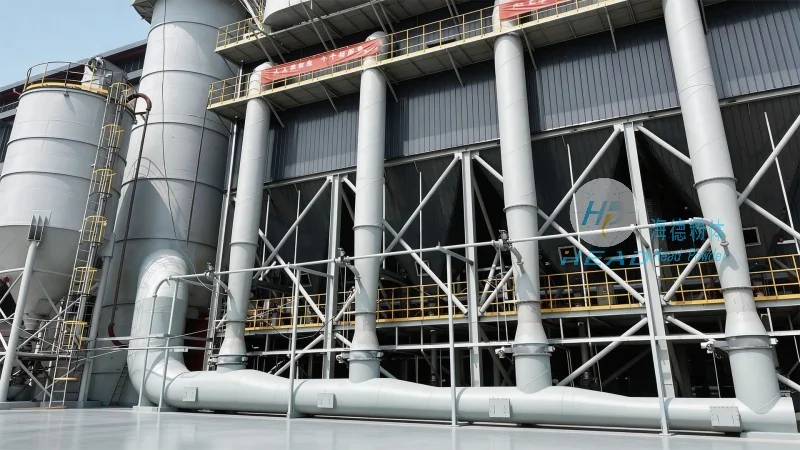
Selecting the appropriate conveying mode is the most consequential decision in system design. Dilute-phase systems suspend particles in a high-velocity airstream, typically operating at air-to-material ratios between 2:1 and 10:1. These systems are simple, robust, and well-suited for materials that flow freely and are not prone to degradation. In chocolate production, dilute-phase is frequently used for cocoa powder, sugar, and milk powder, where the primary concerns are preventing blockages and maintaining consistent dosing accuracy. The drawback is potential particle attrition—fine particles may be further pulverized, and fragile agglomerates can break down. However, for the majority of bulk ingredients used in chocolate, the attrition rate is acceptable (typically under 2–3% weight loss), especially when using gentle pipeline bends with large radii (at least 5 times the pipe diameter) and wear-resistant liners.
Dense-phase conveying, on the other hand, moves material in a slug or plug form at low velocities, using high pressure to push the product through the line. This mode is ideal for fragile, abrasive, or cohesive materials. For chocolate-related ingredients, dense-phase is the preferred solution for conveying cocoa nibs, whole beans, and certain pre-mixes containing inclusions like nuts or raisins. The low velocity (3–8 m/s) minimizes particle breakage and preserves the integrity of fragile pieces, which is critical for premium chocolate products where texture and appearance matter. Dense-phase systems also consume less air per ton of product, reducing the required filter area and compressed air generation costs. However, they are more complex to design and control, requiring precise timing of discharge cycles and careful management of line pressure drops. headpowder’s dense-phase solutions incorporate proprietary sensors and valves that detect plug formation and adjust feed rates dynamically, achieving consistent conveying performance even with variable material properties.
For many chocolate factories, a hybrid system combining both dilute and dense phases in different sections of the same line can offer the best balance. For example, cocoa powder might be transferred from a silo to a weigh hopper via dilute-phase, while a downstream dense-phase system transports the blended chocolate mass to molding stations. This approach leverages the strengths of each method while mitigating their individual weaknesses. Regardless of the configuration chosen, it is essential to perform a thorough material characterization test prior to system design. headpowder maintains a test lab equipped with a full-scale pilot conveying loop, where we analyze parameters such as bulk density, particle size distribution, angle of repose, and moisture content. This data feeds into our custom CFD (Computational Fluid Dynamics) simulations, ensuring that the final installation achieves the desired throughput with minimal energy consumption and maintenance.
Food safety regulations, including the FDA’s Current Good Manufacturing Practice (CGMP) and the European Food Safety Authority (EFSA) guidelines, mandate that all handling equipment in chocolate production must be cleanable and prevent product contamination. Pneumatic conveying systems inherently offer advantages because the product remains enclosed, but they also present cleaning challenges due to long pipelines and dead zones. To address this, modern systems incorporate a range of hygiene-enhancing features. First, all interior surfaces should be smooth, with a surface roughness (Ra) of less than 0.8 microns, to minimize material adhesion and allow efficient cleaning. Welds must be ground and polished to eliminate crevices, and gaskets should be made of FDA-compliant silicone or EPDM that withstands CIP chemicals and temperatures up to 120°C.
For systems that handle multiple recipes with different allergens (e.g., milk chocolate vs. dark chocolate with nuts), cleaning between batches is non-negotiable. Manual disassembly for cleaning is time-consuming and labor-intensive, often leading to extended downtime. Therefore, many chocolate manufacturers are adopting automated CIP systems integrated with the pneumatic conveyors. In a typical CIP cycle, the conveying line is flushed with a hot water and detergent solution at high velocity (3–5 m/s), followed by a rinse and air purge. headpowder has developed a patented “smart purge” algorithm that uses sensors to detect residual product and optimize cleaning duration, reducing water and chemical usage by up to 30% compared to timer-based methods. Additionally, for lines that convey high-fat materials, a heated cleaning solution may be required to melt and remove fatty residues. We recommend incorporating temperature monitoring at multiple points along the line to ensure that cleaning temperatures remain within effective ranges without damaging pipe integrity.
Another critical hygiene factor is the prevention of condensation in the conveying air, which can introduce moisture and promote microbial growth. Dehumidified or nitrogen-purged air is often used for conveying chocolate ingredients, particularly in humid climates. headpowder’s systems can be equipped with desiccant dryers to achieve dew points as low as -40°C, ensuring that even during seasonal humidity spikes, the conveying air remains dry. For ultimate safety, some installations use food-grade nitrogen as the conveying medium, which also provides an inert atmosphere that reduces oxidation of cocoa butter. While nitrogen adds operational cost, it is increasingly adopted by premium chocolate manufacturers who require extended shelf life and superior flavor retention. In every case, we provide comprehensive validation documentation, including material certificates for wetted parts, cleaning validation reports, and pressure test records, to support customer audits and regulatory submissions.
The chocolate industry is embracing digital transformation, and pneumatic conveying systems are at the forefront of this shift. Modern controllers equipped with IoT connectivity enable real-time monitoring of key performance indicators (KPIs) such as throughput, energy consumption per ton, air pressure, filter pressure drop, and component health. headpowder’s proprietary monitoring platform, integrated with standard PLCs like Siemens or Allen-Bradley, provides dashboard views and automated alerts when parameters deviate from set ranges. For instance, a sudden increase in filter differential pressure may indicate a bag leak, prompting immediate maintenance before dust breakthrough occurs. Similarly, a deviation in conveying line pressure can signal impending blockages or wear in pipeline elbows, allowing for proactive intervention. These capabilities reduce unplanned downtime by up to 40%, as demonstrated in several case studies from our client installations.
Beyond monitoring, predictive analytics based on historical data can optimize conveying parameters for varying material properties. For example, if a batch of cocoa powder has a slightly higher moisture content than usual, the system can automatically increase air velocity or adjust the feed rate to prevent sticking. Machine learning models can also forecast when components like rotary airlocks or blower bearings will reach end-of-life, enabling just-in-time replacement and spare parts optimization. This level of intelligence aligns with Industry 4.0 principles and supports lean manufacturing goals. Additionally, integration with warehouse management systems (WMS) and enterprise resource planning (ERP) allows the pneumatic conveying system to receive production schedules directly, pulling ingredients from designated silos in the correct sequence and quantity, eliminating manual intervention and reducing human error.
Energy efficiency remains a top priority, and digital controls contribute significantly to reducing power consumption. For instance, a variable frequency drive on the blower can reduce motor speed during periods of low demand, while automated purging of filter bags on demand (rather than on a fixed timer) cuts compressed air usage. In a typical 10-ton-per-hour chocolate powder conveying line, such optimizations can save 50,000–80,000 kWh annually, equivalent to several thousand dollars in operating costs. Moreover, with the global push toward carbon neutrality by 2050, chocolate manufacturers are increasingly requesting carbon footprint assessments for their equipment. headpowder offers lifecycle energy analysis as part of the project proposal, helping customers quantify both operational savings and environmental benefits. Our commitment to sustainability extends to the materials we use—we source stainless steel with recycled content and design equipment for modular upgrades, extending service life and reducing waste.
To illustrate the practical value of well-designed chocolate pneumatic conveying systems, consider a mid-sized chocolate manufacturer that upgraded its ingredient handling line using headpowder’s solutions. Prior to the upgrade, the facility relied on manual bag dumping and screw conveyors for transferring cocoa powder, sugar, and milk powder to mixers. This approach resulted in frequent dust emissions, high labor costs (three operators per shift dedicated to material handling), and inconsistent dosing accuracy that led to product rework. After installing a centralized pneumatic conveying system with four variable-speed blowers, a network of stainless steel pipelines, and automated weighing hoppers, the plant achieved several measurable improvements. Dust levels in the production area dropped by 99%, meeting OSHA permissible exposure limits without additional ventilation. Dosing accuracy improved to within ±0.5% of target weight, reducing ingredient waste by 8%. Labor requirement fell to one operator per shift for monitoring, saving $120,000 annually. The total project payback period was 18 months, driven primarily by labor savings and reduced ingredient losses.
Another example involves a high-end chocolate brand that needed to convey cocoa nibs from a roaster to a grinder without breaking the fragile pieces. Traditional bucket elevators caused significant fragmentation, compromising the final texture. headpowder designed a dense-phase conveying system operating at 6 m/s and 2 bar pressure, with smooth bends and wear-resistant elbows. The system achieved a breakage rate of less than 1.5%, compared to 8–12% with the previous mechanical system. The client reported improved mouthfeel consistency and reduced rework, reinforcing their brand reputation. Data collected over 18 months showed that system availability exceeded 98%, with only scheduled maintenance required every 3,000 operating hours. These case studies demonstrate that a tailored pneumatic conveying solution, grounded in thorough material analysis and precise engineering, delivers tangible operational and financial benefits across diverse chocolate applications.
Chocolate pneumatic conveying systems must adhere to a variety of international standards to ensure safety, reliability, and food-grade compliance. In the United States, the FDA’s 21 CFR Part 110 (CGMP) and Part 117 (HACCP) govern equipment design and cleaning protocols. For systems installed in the European Union, compliance with the Machinery Directive 2006/42/EC and ATEX Directive 2014/34/EU is mandatory, especially when handling combustible dusts like cocoa powder and sugar. headpowder’s systems are designed with ATEX-compliant components, including anti-static pipelines, grounded couplings, and explosion-proof electrical enclosures. We also perform dust explosion risk assessments as part of the project engineering, recommending pressure relief panels or suppression systems for silos and filter receivers where necessary.
Material of construction must meet food contact regulations such as EC No. 1935/2004 and FDA 21 CFR 175.300. All gaskets, seals, and pipe liners are selected from approved suppliers and supplied with traceable documentation. For systems that require periodic validation, we provide IQ/OQ protocols and assist with performance qualification runs. Additionally, the growing trend of “clean label” and organic certification requirements means that equipment must be designed to prevent cross-contamination between organic and conventional ingredients. headpowder’s modular design allows for dedicated lines or rapid changeover procedures with full washdown between runs, supported by documentation that satisfies organic certifying bodies such as USDA Organic or EU Organic. By embedding compliance into the engineering process from the outset, we help our clients avoid costly redesigns and delays during audits.
Looking ahead to 2026 and beyond, several technological and market trends will shape chocolate pneumatic conveying solutions. The adoption of artificial intelligence for real-time process optimization will become more widespread, enabling self-tuning systems that adapt to ingredient variability with minimal human intervention. Sustainability will remain a driving force, with more manufacturers demanding energy recovery systems—for example, capturing kinetic energy from conveying air to preheat other process streams. The rise of personalized nutrition and small-batch production will increase demand for flexible conveying systems that can handle multiple ingredients in quick succession without cross-contamination. headpowder is already developing modular cells with robotic arm-assisted changeover that can switch from cocoa powder to almond flour in under ten minutes without manual cleaning, a game-changer for contract manufacturers and artisanal producers.
In conclusion, investing in a well-engineered chocolate pneumatic conveying equipment solution is not merely an operational decision—it is a strategic one that impacts product quality, production efficiency, workplace safety, and environmental footprint. Whether you are handling fine powders, fragile inclusions, or high-fat pastes, the right system configuration, coupled with robust controls and hygiene design, will deliver reliable performance and rapid return on investment. As you evaluate potential suppliers, prioritize those with proven industry experience, a test facility for material characterization, and a commitment to long-term support. headpowder, with its dedicated team of process engineers and a track record of successful installations across the globe, stands ready to partner with you in defining and executing a solution that meets your precise needs. We encourage you to reach out for a confidential consultation, where we can discuss your specific requirements and demonstrate how our technology can transform your chocolate production line. (咨询热线:156-6277-7102)
From initial feasibility studies through commissioning and ongoing optimization, headpowder provides end-to-end support that ensures your pneumatic conveying system remains a reliable backbone of your chocolate manufacturing operation. Our approach combines deep technical knowledge with practical field experience, delivering solutions that are not only efficient but also future-proof. As the industry evolves, we continue to invest in research and development, exploring advanced materials, smart sensors, and sustainable practices that will benefit our customers for years to come. We look forward to helping you achieve your production goals while maintaining the highest standards of quality and safety.

 Shandong headpowder Engineering Co., Ltd.
 156-6277-7102(Manager Zhang)
  0531-83386006
  Jinan City, Shandong Province, China
服务热线
微信咨询
回到顶部