News
Rich project cases across industries, showing real implementation and proven technical strength.Anhydrous aluminum chloride (AlCl₃) is a highly reactive, hygroscopic chemical widely used in pharmaceutical synthesis, petrochemical cracking, and fine chemical manufacturing. Its handling and conveying present distinct engineering challenges due to its strong corrosive nature, tendency to fume upon moisture exposure, and relatively low bulk density. Pneumatic conveying systems designed for this material must account for its chemical aggressiveness, particle degradation risks, and strict moisture control requirements. The global market for anhydrous aluminum chloride is projected to grow steadily through 2026, driven by increased demand in the pharmaceutical and agrochemical sectors, with annual growth rates around 4–5%. Consequently, efficient, safe, and reliable conveying solutions are critical for manufacturers aiming to maintain competitive production throughput while ensuring operator safety and product purity. This article provides a comprehensive technical overview of pneumatic conveying principles applied to anhydrous aluminum chloride, covering system design considerations, material properties, equipment selection, and operational best practices. By understanding these factors, chemical processors can optimize their material handling processes, reduce maintenance downtime, and comply with evolving environmental and safety regulations.
Pneumatic conveying is the preferred method for moving anhydrous aluminum chloride due to its enclosed nature, which minimizes moisture ingress and dust escape. Unlike mechanical conveyors, pneumatic systems use air or inert gas to transport powder through pipes, offering flexibility in routing and the ability to handle multiple pickup and discharge points. However, the specific physical and chemical characteristics of AlCl₃ demand careful system engineering. For instance, its hygroscopic nature means that ambient humidity can cause clumping, caking, and even violent reactions if moisture is introduced. Therefore, the conveying gas must be dried to a dew point below -40°C, and nitrogen is often used as the carrier gas to create an inert atmosphere. Additionally, the material's abrasive nature can accelerate wear on bends, elbows, and diverter valves, necessitating the use of wear-resistant linings such as ceramic or basalt. A well-designed pneumatic system for anhydrous aluminum chloride not only ensures consistent material flow but also protects downstream processes from contamination and reduces the total cost of ownership through minimized maintenance and energy consumption.
To design an effective conveying system, engineers must first characterize the bulk properties of anhydrous aluminum chloride. Typical commercial grades have a bulk density ranging from 0.7 to 1.2 g/cm³, with a particle size distribution that can vary from fine powder (<50 µm) to granular (up to 2 mm). The material is classified as cohesive and slightly abrasive, with a moisture content limit below 1% by weight. Its angle of repose is typically between 35° and 45°, indicating moderate flowability under controlled conditions. However, even small amounts of moisture absorption can dramatically increase cohesion, leading to bridging in hoppers and plugging in pipelines. The material's electrostatic charging tendency is another important factor—dry AlCl₃ powder can generate static charges during pneumatic transport, potentially leading to spark hazards in the presence of flammable dust. Therefore, all system components should be grounded, and conductive or anti-static hose materials may be required.
Furthermore, anhydrous aluminum chloride sublimes at atmospheric pressure without melting, releasing fumes of hydrogen chloride upon contact with moisture in the air. This property necessitates sealed handling and venting systems that capture any fugitive emissions. For pneumatic conveying, dilute-phase systems are commonly employed when the material is free-flowing and dry, but dense-phase conveying is increasingly recommended for higher product quality retention. Dense-phase systems operate at lower gas velocities (typically 2–8 m/s) and use pressure to push slugs of material through the pipeline, reducing particle attrition and minimizing frictional heat generation. Lower velocity also reduces the risk of pipeline erosion and lowers the energy consumption per ton of material conveyed. Industry data from recent installations indicate that dense-phase conveying can reduce particle degradation by up to 60% compared to dilute-phase systems for friable or cohesive powders like AlCl₃. Selecting the correct phase depends on the specific particle size distribution, desired throughput, and distance of transport.
A typical pneumatic conveying system for anhydrous aluminum chloride comprises a feed hopper with a discharge aid, a positive displacement blower or compressor, a drying and filtration unit for the conveying gas, a rotary valve or screw feeder, conveying pipeline with wear-resistant bends, a receiver or cyclone separator, and a dust collection system. The feed hopper must be designed with an appropriate cone angle (typically 60–70 degrees) and may include vibrators or aeration pads to prevent bridging. For materials with high cohesion, a live-bottom hopper or a flexible screw feeder can improve discharge consistency. The rotary valve serves as the airlock between the feeding device and the pipeline, and its design must ensure minimal air leakage and mechanical wear. For anhydrous aluminum chloride, rotary valves with fully enclosed housings and hard-faced rotors are recommended to resist abrasion and prevent moisture intrusion.
The conveying pipeline configuration is critical to system performance. Straight sections should be kept as short as practical, and long-radius bends (minimum 5D radius) should be used to reduce particle impact and pipeline wear. In areas where the material is prone to sticking, smooth internal finishes and electric trace heating can be employed to maintain material temperature above the dew point and prevent condensation. At the receiving end, a cyclone separator efficiently separates the conveyed material from the carrier gas, with a secondary bag filter or cartridge filter capturing any remaining fines. The collected dust can be recycled back into the system or disposed of according to environmental regulations. For systems requiring multiple discharge points, automated diverters with sealed, wear-resistant inserts enable selective routing without compromising system integrity. Modern PLC-based control systems monitor parameters such as air flow rate, pressure differentials, and material level, allowing for real-time adjustments and alarm notifications when conditions deviate from setpoints.
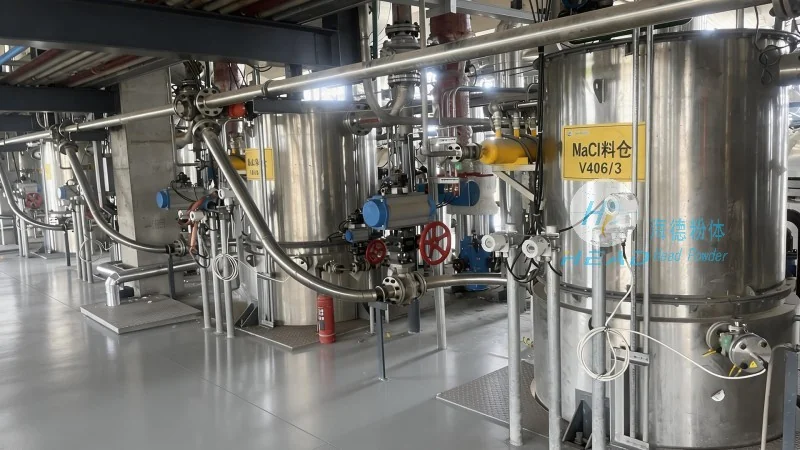
Operating a pneumatic conveying system for anhydrous aluminum chloride requires strict adherence to safety protocols. Because the material can produce corrosive hydrogen chloride fumes when exposed to moisture, the entire system must be operated under a positive pressure inert gas blanket—typically nitrogen. All seals, gaskets, and connections should be rated for chemical resistance and checked regularly for leaks. Personnel handling AlCl₃ should wear appropriate personal protective equipment (PPE), including acid-resistant gloves, goggles, and respirators with acid gas cartridges. In addition, the conveying line should be equipped with pressure relief valves and burst discs to handle potential blockages or over-pressurization events. Regular cleaning schedules are essential to prevent the accumulation of fines and potential auto-ignition hazards. The use of explosion-proof electrical equipment and proper grounding of all conductive components further mitigate electrostatic risk.
For maintenance planning, it is advisable to monitor wear indicators such as pipe wall thickness at critical bends and the condition of rotary valve rotor tips. Based on field data from multiple chemical plants, replacing wear linings at bends every 12–18 months is typical for systems handling AlCl₃ at moderate conveying rates. Optimizing the conveying velocity to the lowest practical value (typically 6–10 m/s for dense-phase) can double the service life of pipeline components. Additionally, implementing a preventive maintenance program that includes periodic inspection of blower filters, air dryer desiccant, and valve actuation mechanisms will minimize unplanned downtime. Many operators find that using a centralized control platform with data logging capabilities helps identify trends in system performance, enabling predictive maintenance actions before failures occur. By adopting these practices, plants can achieve on-stream availability exceeding 95% over multi-year operating cycles.
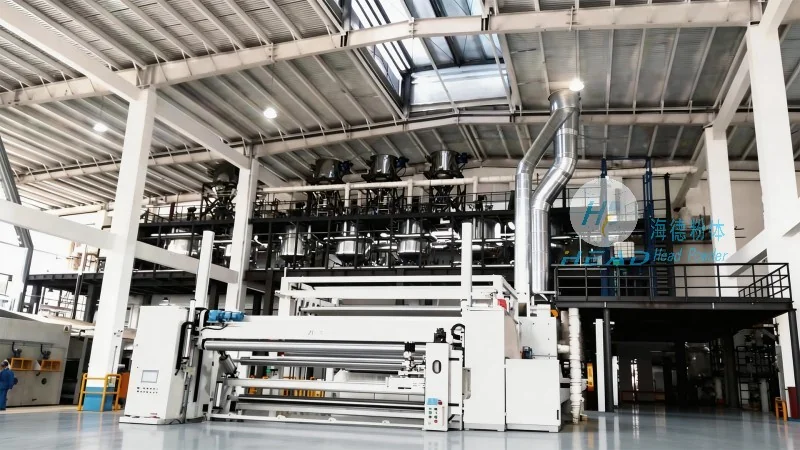
Looking ahead to 2026 and beyond, the pneumatic conveying industry is embracing digitalization and sustainability. Smart sensors that monitor moisture levels, temperature, and vibration in real time are becoming more affordable and widely adopted. For anhydrous aluminum chloride, these sensors can provide early warning of moisture ingress or abnormal wear, allowing operators to take corrective action before product quality is compromised. Furthermore, the push for energy efficiency is driving the adoption of variable frequency drives (VFDs) on blowers and compressors, ensuring that conveying velocity is matched precisely to throughput requirements. Case studies from recent installations show that VFD-equipped systems can reduce energy consumption by up to 30% compared to fixed-speed designs.
Another emerging trend is the integration of pneumatic conveying with continuous manufacturing processes, particularly in pharmaceutical production where AlCl₃ is used as a Lewis acid catalyst. As regulatory bodies tighten control over product traceability and contamination risk, fully enclosed, automated conveying systems that maintain a sealed environment from silo to reactor are becoming standard. Enhanced filtration technologies, such as high-efficiency particulate air (HEPA) filters combined with activated carbon beds, can capture sub-micrometer particles and acid gas emissions, helping facilities meet stringent environmental standards like the European Industrial Emissions Directive or U.S. EPA regulations. The availability of more durable materials of construction, such as high-silicon stainless steel and advanced ceramics, is also extending equipment life in corrosive service.
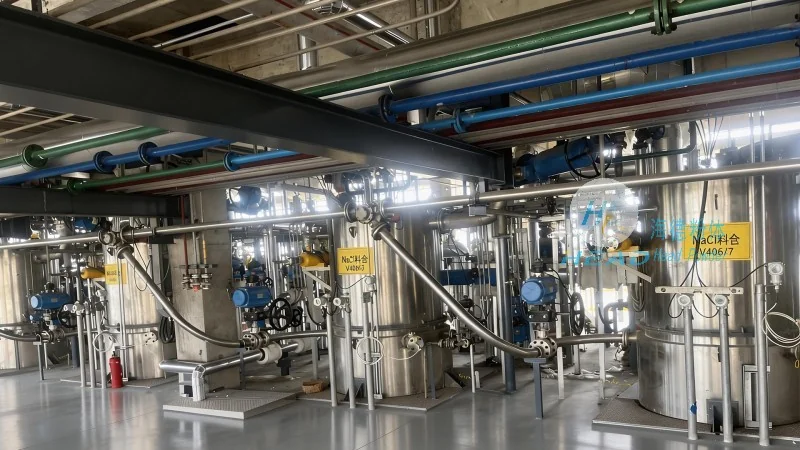
Designing, installing, and commissioning a pneumatic conveying system for anhydrous aluminum chloride is a complex undertaking that benefits from specialized expertise. headpowder has delivered over 200 pneumatic conveying systems for challenging chemical powders, including multiple successful installations for anhydrous aluminum chloride in North America and Europe. Our engineering team conducts thorough material characterization, computational fluid dynamics (CFD) modeling, and pilot-scale testing before committing to a final design. This approach ensures that the system is tailored to the exact properties of the client's material, avoiding costly modifications after startup. We provide full turnkey solutions, from process design and equipment fabrication to installation supervision and operator training. For one major pharmaceutical client handling 5 tons per day of AlCl₃, headpowder's dense-phase conveying system reduced particle attrition by 55% and cut compressed nitrogen consumption by 40% compared to their previous dilute-phase setup. (咨询热线:156-6277-7102) We invite you to contact our applications engineers to discuss your specific conveying requirements and explore how our proven technology can enhance your production efficiency and safety.
In summary, pneumatic conveying remains the most reliable and hygienic method for moving anhydrous aluminum chloride within industrial facilities. Success depends on a holistic understanding of material behavior, careful component selection, rigorous moisture control, and proactive maintenance. By aligning system design with the material's unique characteristics, companies can achieve consistent throughput, minimize downtime, and protect both product quality and personnel safety. As the chemical industry continues to evolve, investing in advanced pneumatic conveying solutions will become increasingly critical for maintaining a competitive edge.

 Shandong headpowder Engineering Co., Ltd.
 156-6277-7102(Manager Zhang)
  0531-83386006
  Jinan City, Shandong Province, China
服务热线
微信咨询
回到顶部