

Operation Process and Working Principle of Hydrogen Chloride Pneumatic Conveying System
Hydrogen chloride (HCl) is a highly corrosive and toxic gas commonly used in chemical manufacturing processes. The safe and efficient transportation of HCl gas is crucial for industrial operations. This article provides a detailed overview of the operation process and working principle of a hydrogen chloride pneumatic conveying system, highlighting the key components, operational steps, and technical aspects that ensure reliable and safe HCl gas handling.
System Overview and Key Components
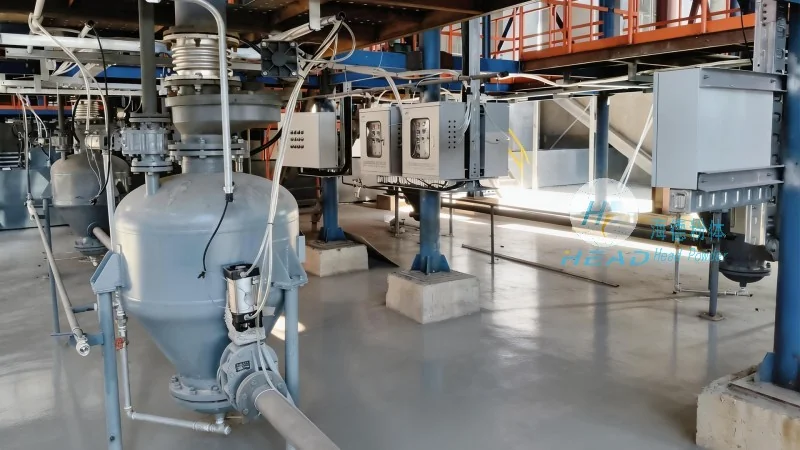
The hydrogen chloride pneumatic conveying system is a specialized industrial solution designed for the safe and efficient transportation of hydrogen chloride gas. This system is engineered by Shandong HeadPowder Engineering Co., Ltd., a leading manufacturer based in China, and is widely used in chemical manufacturing facilities. The system typically consists of several critical components that work in concert to achieve effective gas transport. These components include a gas compressor, a gas dryer, a gas filter, a conveying pipeline, and a control system. Each component plays a vital role in maintaining the quality and safety of the HCl gas during the conveying process. The entire system is constructed from corrosion-resistant materials, such as stainless steel, to withstand the harsh conditions of HCl gas handling.
Working Principle of the Pneumatic Conveying System
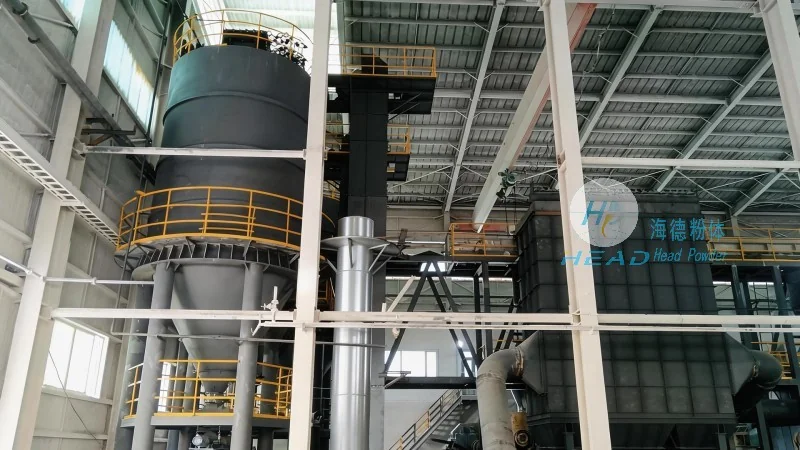
The core of the hydrogen chloride pneumatic conveying system is the principle of pneumatic transport, which utilizes compressed air or inert gas to move the HCl gas through a pipeline. The process begins with the generation of high-pressure gas, usually from a compressor, which is then dried and filtered to remove moisture and particulate matter that could cause corrosion or blockages in the system. The clean, dry gas is then introduced into the conveying pipeline, where it creates a flow that propels the HCl gas from the source to the destination. The velocity and pressure of the gas are carefully controlled to ensure the HCl gas is transported without excessive pressure drops or velocity fluctuations that could lead to system inefficiencies or safety hazards.
Operation Process: Step-by-Step Guide
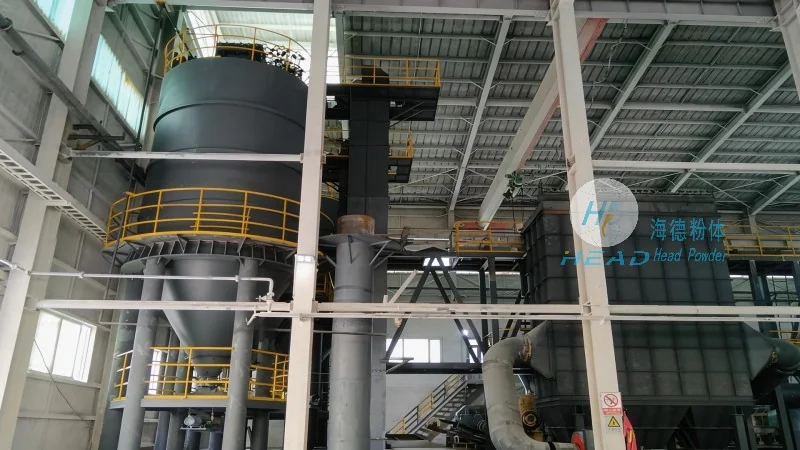
The operation of the hydrogen chloride pneumatic conveying system follows a systematic sequence of steps to ensure safe and efficient gas transport. The process typically starts with the preparation of the system, which includes checking the integrity of all components, verifying the gas pressure and flow rates, and ensuring that all safety devices, such as pressure relief valves and gas detectors, are functional. Once the system is prepared, the gas compressor is activated to generate the required pressure. The compressed gas is then passed through the dryer and filter to remove contaminants. After purification, the gas is introduced into the conveying pipeline, and the HCl gas is drawn into the system via the source connection. The gas flow is then adjusted to achieve the desired conveying rate, which is monitored by the control system. The system continues to operate until the HCl gas is fully transferred to the destination, after which the gas flow is reduced and the system is shut down in a controlled manner. The entire operation process is designed to minimize downtime and maximize the efficiency of HCl gas transportation.
Key Considerations for Safe and Efficient Operation
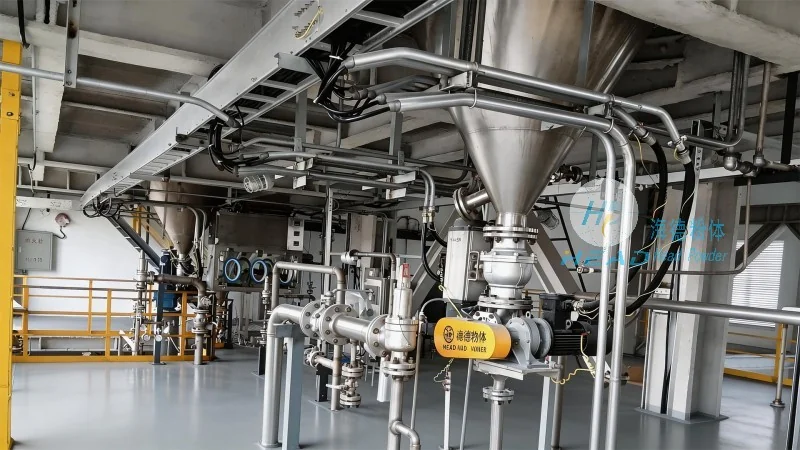
Operating a hydrogen chloride pneumatic conveying system requires strict adherence to safety protocols and technical guidelines to prevent accidents and ensure optimal performance. Several key considerations must be addressed during system operation. First, the system must be constructed from materials that are resistant to HCl corrosion, such as stainless steel or specialized alloys, to prevent equipment failure and contamination of the gas. Second, the gas dryer and filter must be regularly maintained and replaced to ensure that moisture and particulates do not accumulate, which could lead to pressure drops or blockages. Third, the control system must be calibrated and monitored continuously to detect any deviations in pressure, flow, or temperature that could indicate system malfunctions. Finally, regular inspections and maintenance of all components are essential to identify and address potential issues before they become critical problems. By following these considerations, the hydrogen chloride pneumatic conveying system can operate safely and efficiently, ensuring reliable HCl gas transportation for industrial applications.