

Operation Process and Working Principle of Silica Micropowder Pneumatic Conveying System
HeadPowder, a leading engineering company based in Shandong, China, specializes in the design, manufacturing, and implementation of advanced pneumatic conveying systems tailored for handling fine powders such as silica micropowders. This article provides a detailed overview of the operational process and underlying principles of a silica micropowder pneumatic conveying system, highlighting the technical aspects and practical applications that make it an efficient solution for material transport in various industrial settings.
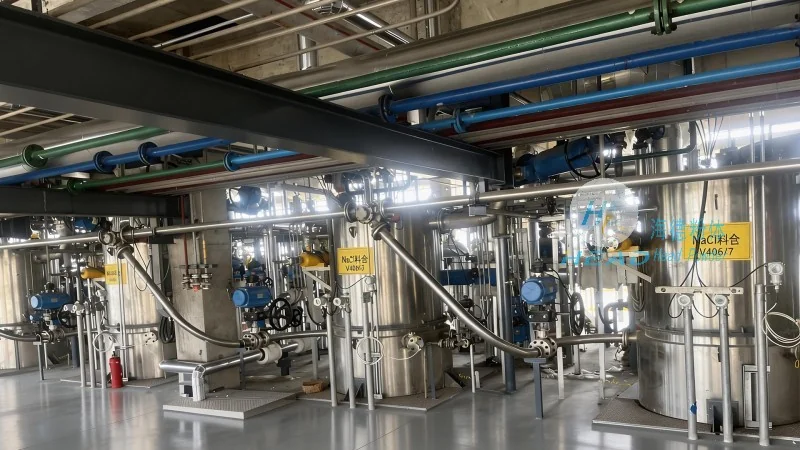
Introduction to Silica Micropowder Pneumatic Conveying Systems
Silica micropowders, characterized by their ultra-fine particle size and high purity, are widely used in industries like electronics, pharmaceuticals, and ceramics. Conventional bulk material handling methods often face challenges when dealing with such powders due to issues like dust explosion risks, material segregation, and inefficient transport. Pneumatic conveying systems offer a solution by utilizing air as the medium to transport powders through a pipeline network, eliminating the need for mechanical components that can cause contamination or wear. The system's design is critical to ensure stable, low-dust, and energy-efficient operation, especially for sensitive materials like silica micropowders.
Key Components of a Silica Micropowder Pneumatic Conveying System
A typical silica micropowder pneumatic conveying system consists of several core components that work in concert to achieve efficient material transport. These components include:
- Air Supply Unit: This component generates the necessary air pressure or vacuum to move the powder through the system. It may include a blower, compressor, or vacuum pump, depending on the system's configuration (pressure or vacuum type).
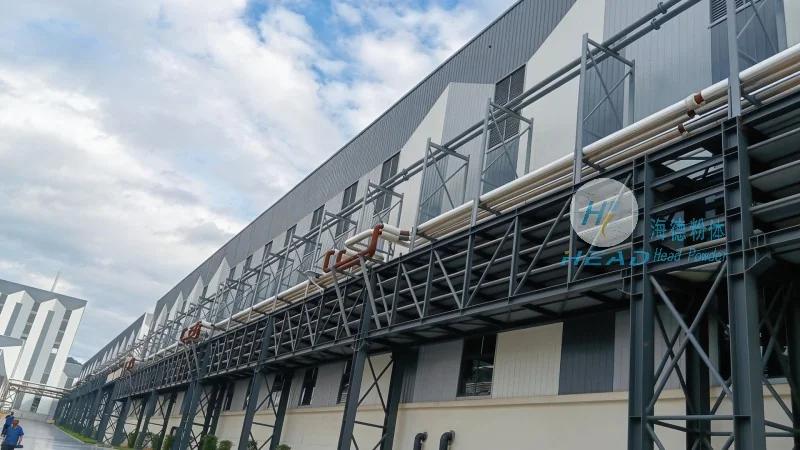
- Pneumatic Conveying Line: The pipeline network that transports the powder from the source to the destination. The line is usually made of materials like stainless steel or plastic to prevent corrosion and ensure durability, especially when handling abrasive silica micropowders.
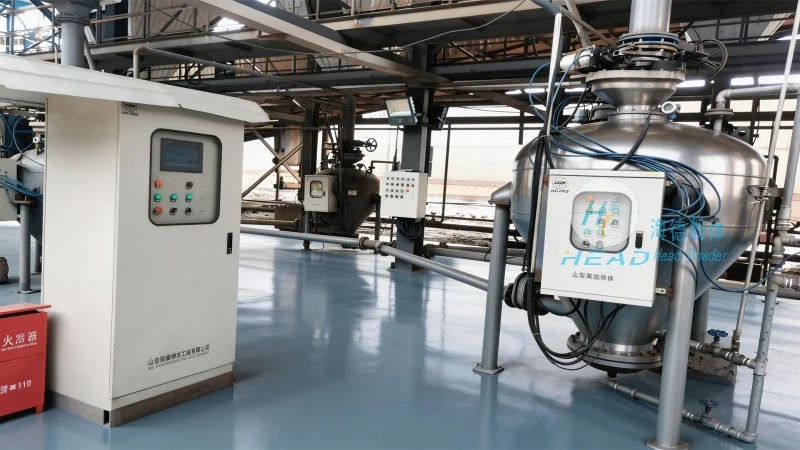
- Pneumatic Conveying Equipment: This includes devices such as feeders, cyclones, and separators that control the flow rate, separate air from the powder, and direct the material to the target location. For silica micropowders, specialized equipment like rotary valves or star feeders is often used to ensure consistent and controlled feeding.
- Control System: An automated control system monitors and regulates the operation of the conveying process, ensuring optimal performance and preventing issues like overpressure or underflow.
Working Principle of the Silica Micropowder Pneumatic Conveying System
The fundamental principle behind pneumatic conveying is the use of air to create a fluidized or suspended state of the powder particles, allowing them to be transported through the pipeline. In a pressure-type system, the blower supplies compressed air to the conveying line, where it mixes with the silica micropowder at the feed point. The air-powder mixture then flows through the pipeline under pressure, reaching the destination point where the powder is separated from the air using a cyclone or other separation device. The separated air is then recirculated back to the blower, while the powder is collected in a hopper or storage tank.
Operational Process of the Silica Micropowder Pneumatic Conveying System
The operational process of a silica micropowder pneumatic conveying system involves several sequential steps that ensure efficient and safe material transport. The process typically begins with the preparation of the powder, followed by the initiation of the conveying cycle. Here's a step-by-step breakdown:
- Powder Preparation: The silica micropowder is loaded into a hopper or storage bin, ensuring a consistent feed rate. The powder is often pre-screened to remove large particles or contaminants that could damage the system components.
- Feeding and Air Injection: A feeder (such as a rotary valve or screw feeder) controls the flow rate of the powder into the conveying line. Simultaneously, compressed air is injected at the feed point, creating a high-velocity air-powder mixture. The air velocity is critical; it must be sufficient to keep the powder particles suspended but not so high as to cause excessive wear on the pipeline.
- Pipeline Transport: The air-powder mixture travels through the pipeline under pressure, moving from the source to the destination. The pipeline design, including bends and fittings, is optimized to minimize pressure drop and maintain the flow stability.
- Separation and Collection: At the destination point, a cyclone separator or other separation device separates the powder from the air. The powder is collected in a receiving hopper or storage tank, while the air is recirculated back to the blower. This step ensures that the powder is efficiently recovered and the air is reused, reducing energy consumption.
- System Monitoring and Control: The control system continuously monitors parameters such as pressure, flow rate, and temperature. Any deviations from the set points are automatically adjusted to maintain optimal operation. For example, if the pressure drops, the system may increase the air supply or adjust the feeder speed to maintain the desired flow rate.
Advantages of Using a Silica Micropowder Pneumatic Conveying System
Implementing a pneumatic conveying system for silica micropowders offers several advantages over traditional handling methods. These benefits include:
- Low Dust and Explosion Risk: The enclosed pipeline system minimizes dust exposure, reducing the risk of dust explosions and improving workplace safety.
- Efficient and Continuous Transport: The system allows for continuous, high-volume transport of silica micropowders, improving production efficiency and reducing downtime.
- Reduced Maintenance: Compared to mechanical conveying systems (e.g., belt conveyors), pneumatic systems have fewer moving parts, leading to lower maintenance costs and longer equipment lifespan.
- Flexibility in Layout: The pipeline can be easily reconfigured or extended to accommodate changes in production layout or process requirements.
- Energy Efficiency: Modern pneumatic conveying systems are designed to be energy-efficient, with recirculated air reducing the overall energy consumption compared to systems that discharge air to the atmosphere.
Applications of Silica Micropowder Pneumatic Conveying Systems
Silica micropowder pneumatic conveying systems are widely used in various industries where fine powders need to be transported efficiently and safely. Some common applications include:
- Electronics Manufacturing: Transporting silica micropowders used in the production of electronic components, such as circuit boards and semiconductor devices.
- Pharmaceutical Industry: Handling pharmaceutical powders that require strict contamination control, ensuring that the pneumatic system meets GMP (Good Manufacturing Practice) standards.
- Ceramics and Glass Manufacturing: Conveying silica powders used in the production of ceramic tiles, glass, and other ceramic products.
- Food and Beverage Industry: Transporting food-grade silica micropowders used as anti-caking agents or fillers in food products.
Conclusion
HeadPowder's expertise in designing and implementing silica micropowder pneumatic conveying systems ensures that industrial facilities can achieve efficient, safe, and reliable material transport. By understanding the operational process and working principles of these systems, businesses can optimize their material handling processes, reduce costs, and enhance overall productivity. The advanced technology and engineering solutions provided by HeadPowder make it a trusted partner for industries relying on the transport of fine powders like silica micropowders.