

Operation Process and Working Principle of Ammonium Nitrate Pneumatic Conveying Systems
Ammonium nitrate is a widely used industrial chemical, particularly in the fertilizer and explosives industries. Efficient and safe material handling is crucial for its production and transportation. Pneumatic conveying systems offer a reliable solution for transporting ammonium nitrate, ensuring high throughput, minimal product degradation, and enhanced safety. This article explores the operation process and working principle of such systems, highlighting their importance in modern industrial applications.
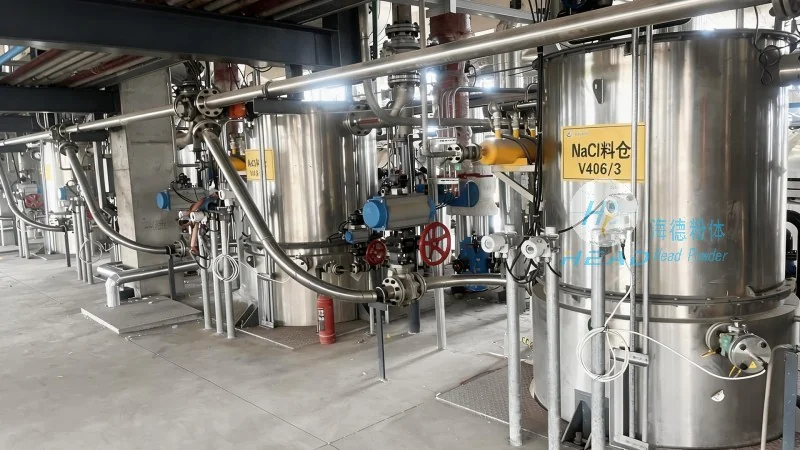
Key Components and Working Principle
The core components of an ammonium nitrate pneumatic conveying system include a hopper for material storage, a blower or air compressor to generate airflow, a pipeline network for material transport, and a receiver or discharge unit. The working principle involves feeding the ammonium nitrate into the hopper, where it is then drawn into the system by the airflow generated by the blower. The material is carried as a slurry or suspended particles through the pipeline to the discharge point. The system's design ensures that the material is transported without direct contact with mechanical parts, reducing the risk of contamination and product damage.
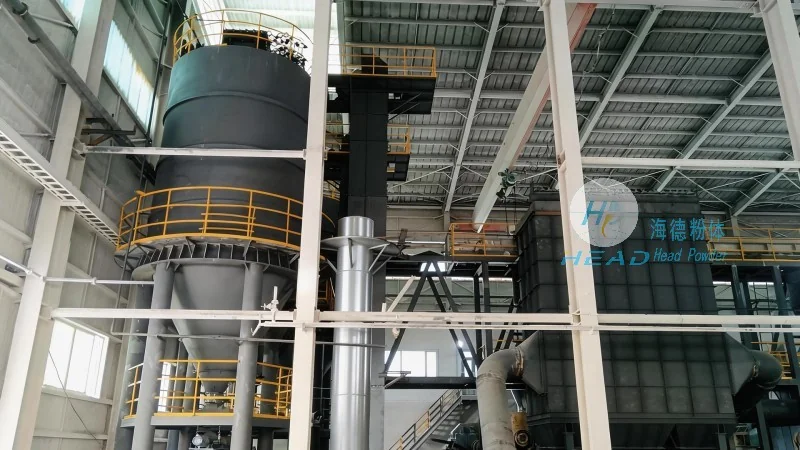
Operation Process and Key Steps
The operation process of an ammonium nitrate pneumatic conveying system typically involves several key steps. First, the system is started by activating the blower, which creates the necessary airflow. Next, the ammonium nitrate is fed into the hopper at a controlled rate, ensuring a consistent flow into the pipeline. The material is then conveyed through the pipeline to the receiver, where it is collected. The system may include a filter or separator to remove any air or debris from the material before discharge. The entire process is monitored by control systems that adjust airflow and feeding rates to maintain optimal performance and prevent system overload.
Technical Advantages and Application Scenarios
Ammonium nitrate pneumatic conveying systems offer several technical advantages over traditional mechanical conveying methods. These include reduced product contamination, lower maintenance requirements due to fewer moving parts, and improved safety by eliminating the need for manual handling of bulk materials. The systems are particularly suitable for applications involving high-volume transportation of ammonium nitrate, such as in fertilizer production plants, chemical processing facilities, and storage terminals. They are also adaptable to various operating conditions, including different particle sizes and moisture contents of the material.
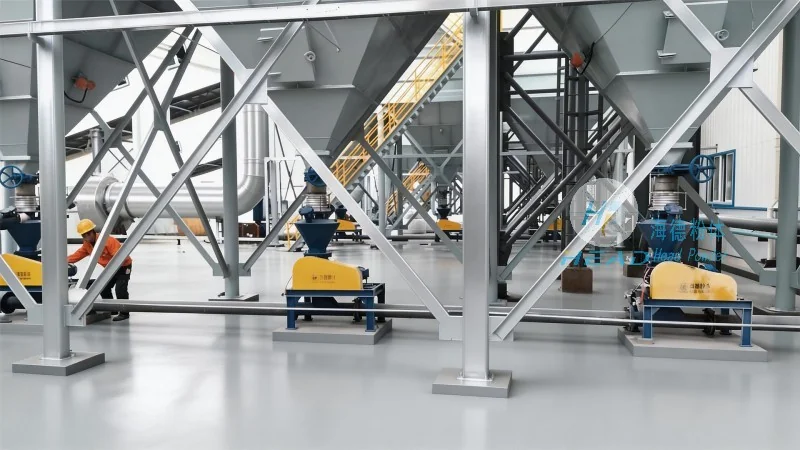
Company Profile and Professional Services
Shandong HeadPowder Engineering Co., Ltd., commonly known as headpowder, is a leading provider of engineering solutions for material handling systems. With a focus on industrial chemical applications, the company specializes in designing, manufacturing, and installing pneumatic conveying systems for ammonium nitrate and other bulk materials. Headpowder's team of experienced engineers and technicians ensures that each system is tailored to meet the specific needs of clients, considering factors such as production capacity, material characteristics, and operational environment. The company's commitment to quality and safety has earned it a reputation for delivering reliable and efficient solutions in the industry. Located in Shandong, China, headpowder serves clients both domestically and internationally, providing comprehensive support from system design to long-term maintenance and troubleshooting.