

Common Dry Yeast Conveying Methods: A Comparative Analysis
When it comes to the efficient handling and transportation of dry yeast in industrial settings, selecting the right conveying method is crucial for maintaining product quality, ensuring operational efficiency, and minimizing downtime. As a leading manufacturer in the field, Shandong HeadPowder Engineering Co., Ltd. specializes in providing tailored solutions that address the unique challenges of yeast processing. This article provides a detailed comparison of common dry yeast conveying methods, highlighting their advantages, limitations, and optimal applications.
Understanding Dry Yeast Conveying: The Foundation of Efficient Processing
Dry yeast, a vital ingredient in the food and beverage industry, requires careful handling to preserve its biological activity and functional properties. Conveying systems must be designed to minimize mechanical stress, prevent contamination, and maintain consistent flow rates. The choice of conveying method directly impacts the overall performance of yeast production lines, making it essential to evaluate each option based on specific operational requirements.
Method 1: Screw Conveyors for Dry Yeast Handling
Screw conveyors, also known as auger conveyors, are among the most widely used equipment for transporting dry yeast. These systems consist of a rotating helical screw inside a cylindrical tube, which moves material through the system by friction. For dry yeast applications, screw conveyors offer several key benefits. They are highly effective for vertical and horizontal transport, providing a continuous and controlled flow. The enclosed design of screw conveyors helps protect the yeast from dust, moisture, and contamination, which is critical for maintaining product integrity. Additionally, screw conveyors are relatively low-cost to install and maintain, making them an attractive option for smaller-scale operations or facilities with budget constraints.
However, screw conveyors have limitations that must be considered. They are not suitable for handling very fine or powdery yeast, as the material can clog the screw and reduce efficiency. The high friction between the screw and the material can also generate heat, potentially affecting the yeast's viability. Moreover, the enclosed design may lead to pressure buildup, requiring proper ventilation and safety measures. Despite these drawbacks, screw conveyors remain a popular choice for many industrial applications due to their simplicity and reliability.
Method 2: Pneumatic Conveying Systems for Dry Yeast Transport
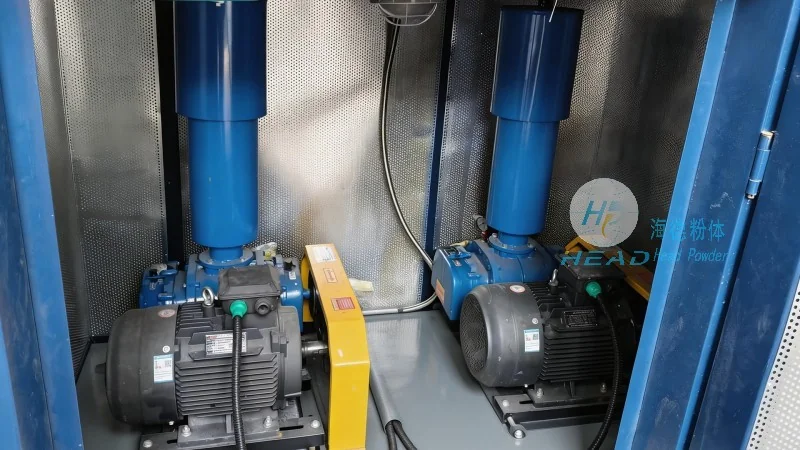
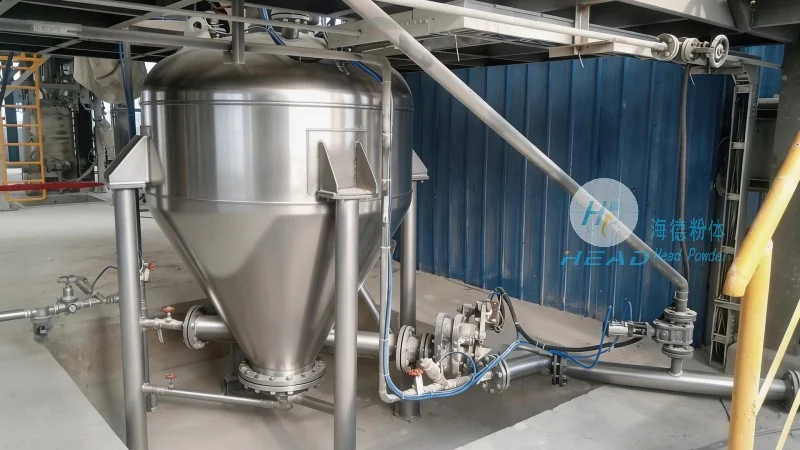
Pneumatic conveying systems use air or other gases to transport dry yeast through a pipeline network. This method is particularly effective for long-distance or multi-level transport, as it can move material over significant distances without the need for multiple transfer points. There are two main types of pneumatic conveying: pressure and vacuum systems. Pressure systems use compressed air to push the yeast through the pipeline, while vacuum systems use a vacuum to pull the material. Both types offer advantages for dry yeast handling.
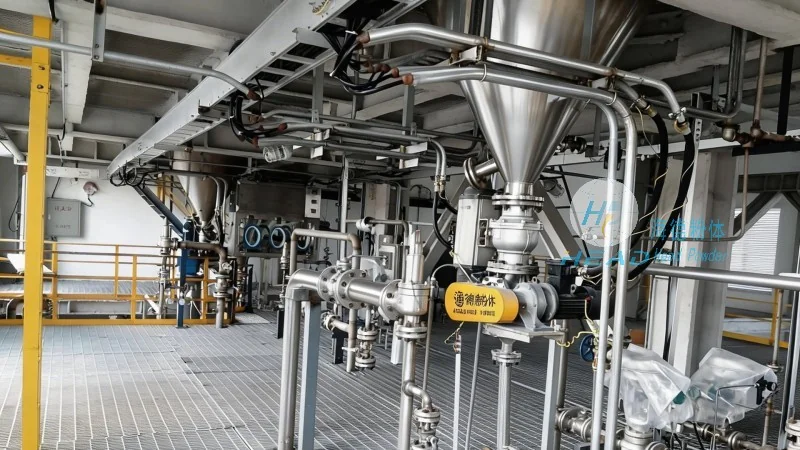
One of the primary benefits of pneumatic conveying is its ability to handle fine or powdery materials without clogging. The enclosed pipeline prevents contamination and dust dispersion, ensuring a clean and safe operation. Pneumatic systems also allow for flexible routing, enabling the integration of multiple processing units or storage tanks. This flexibility is especially valuable in large-scale yeast production facilities where space and layout are critical factors.
However, pneumatic conveying has its own set of challenges. The high velocity of the air can cause wear and tear on the pipeline and components, leading to increased maintenance costs over time. The system also requires a reliable air supply, which may need additional infrastructure such as compressors or vacuum pumps. Moreover, the energy consumption of pneumatic systems is generally higher than that of mechanical conveyors like screw conveyors. Despite these considerations, pneumatic conveying remains a preferred choice for many industries due to its efficiency and adaptability.
Method 3: Bucket Elevators for Vertical Dry Yeast Transport
Bucket elevators are specialized equipment designed for vertical transport of dry materials, including yeast. These systems consist of a continuous chain with attached buckets that move material upward through a vertical or inclined shaft. Bucket elevators are highly efficient for vertical transport, providing a consistent and reliable flow of material. They are particularly useful in facilities where vertical space is limited or where the yeast needs to be lifted to a higher level for processing or storage.